
Pediatric physiotherapy, also known as child physical therapy, is a field of physiotherapy focused on the assessment, diagnosis, and treatment of movement-related problems in children. The aim of pediatric physio, among other things, is to improve a child’s balance and coordination in order to improve his/her general functional skills and quality of life.
Search
Can’t find what you’re looking for?Reach out to us
Enhancing Balance and Coordination in Children with Pediatric Physiotherapy
October 16, 2023
1 min read
October 16, 2023
1 min read
Quick Threads
- Some Ways in Which Pediatric Physio or Infant Physiotherapy Can Help Your Child Improve Balance and Coordination
- How Does Developmental Physiotherapy Help?
- How Can Developmental Physiotherapy Help With Developmental Disabilities?
- Pediatric Physiotherapy At Home In Dubai | First Response Healthcare
Some Ways in Which Pediatric Physio or Infant Physiotherapy Can Help Your Child Improve Balance and Coordination
- Evaluation and Diagnosis: As a part of pediatric physio, physical therapists are trained to assess children’s movement patterns, balance, coordination, strength, and flexibility. Problem areas and developmental delays related to balance and coordination can be identified through a variety of standardized tests and cltypenical observations and can be improved through delayed milestones physiotherapy treatment.
- Individualized Treatment Plan: Based on the test results, an individualized treatment plan is created to address each child’s specific needs. A treatment plan may include a combination of treatment exercises, activities and interventions tailored to the child’s age, abilities and goals.
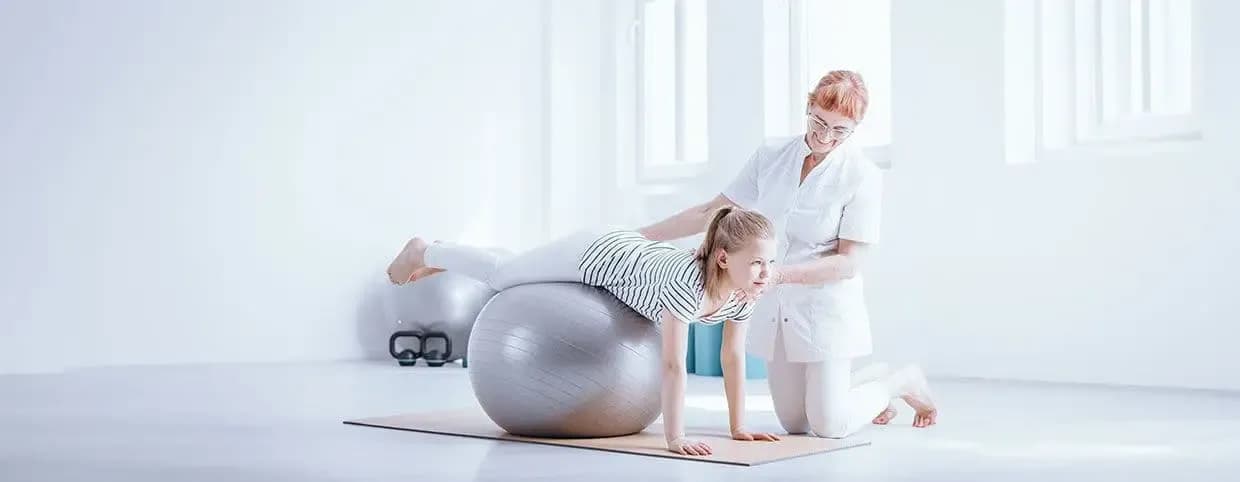
- Balance Training: Pediatric physio includes a variety of exercises and activities to promote balance and stability. This includes activities such as standing on one leg, walking on uneven ground, and using a balance board or ball to improve your child’s balance.
- Coordination Practice: To improve coordination, physical therapists may incorporate exercises that require both fine and gross motor skills. These exercises range from simple tasks like catching and throwing a ball to more complex activities that require precise hand-eye coordination.
- Core Strengthening: A strong core is essential for good balance and stability. Infant physiotherapy also includes exercises that strengthen the core muscles, which play an important role in maintaining upright posture and balance.
- Vestibular Rehabilitation: The vestibular system of the inner ear contributes significantly to a child’s sense of balance. If there is a problem with this system, vestibular rehabilitation techniques are used as a part of pediatric physio to improve the child’s balance response.
- Neuromuscular Re-education: Children with certain neurological conditions or injuries may have difficulty coordinating their movements. Through neuromuscular re-education techniques as a part of infant physiotherapy, therapists can train the brain and muscles to work together effectively.
- Fun and Exciting Activities: Games, toys, and playful exercises are commonly used in pediatric physio or developmental physiotherapy to keep children motivated and focused during the session. This approach helps create a positive and comfortable environment for treatment, promoting consistent participation and progress.
- Exercise Program at Home: To maximize the benefits of pediatric physio, therapists often offer home exercise programs that children and their families can practice outside of therapy sessions. These exercises and activities help reinforce the skills learned during treatment and promote continuous improvement.
- Monitoring and Progress: Pediatric physio or infant physiotherapy is a dynamic process and progress is continuously monitored. The therapist will regularly assess your child’s performance and adjust the treatment plan as needed to ensure continued improvement.
How Does Developmental Physiotherapy Help?
Developmental delay, also called milestone delay, is when a child’s development lags behind other children. Developmental delay can have many causes. Children can experience delays in gross and motor skills, delays in fine motor development, delays in speech and language, delays in cognitive/intellectual development, and delays in social and emotional development, leading to problems in their ability to interact with others.
Delayed Milestones Physiotherapy Treatment Can Help With the Following:
- To achieve physical milestones such as crawling, sitting, and standing.
- Improves posture, strength, motor control, balance and coordination.
- Improve independence in activities of daily living.
- Help boost the child’s confidence.
What Does Developmental Physiotherapy Comprise?
Physical therapists often conduct exercises and activities to promote normal development. Effective short- and long-term rehabilitation goals are developed to achieve milestones and improve quality of life. A rehabilitation plan is created after a thorough assessment of the areas that affect a child’s development to give the child the best chance of reaching physical milestones.Here are some of the techniques in delayed milestone physiotherapy treatment:
- Neurodevelopmental Techniques: Neurodevelopmental techniques are used to improve head and trunk control. For example, this can include teaching your child how to manage weight transfer, rotation, coordination and balance.
- Oral Motor Stimulation: Oral motor stimulators include soft-bristle finger brushes, vibrating brushes, and nucleus brushes, with the head slightly bent in the midline and held in an upright position. Techniques used include stimulation by deeply pressing the gums with gloved fingers, stroking the cheeks to increase suction speed, oral stimulation with artificial nipples, and stimulating the rooting reflex.
- Passive Stretching with Myofascial Release: This help with stretching the muscles to increase range of motion and prevent muscle and joint stiffness.
- Auxiliary Equipment: A physical therapist may recommend the use of assistive devices such as braces, the use of a wheelchair, or other adaptive devices, if needed.

Are you looking for a service?
Enquire Now
How Can Developmental Physiotherapy Help With Developmental Disabilities?
Pediatric physiotherapists play a key role in improving the quality of life and functional abilities of children with a variety of conditions, including down syndrome, cerebral palsy, muscular dystrophy, among others. Here’s how infant physiotherapy or developmental therapy can help children with certain disability disorders:
- Down’s Syndrome: Children with Down syndrome often have problems with muscle tone, coordination, and motor skills. As a part of developmental physiotherapy, physiotherapists work closely with these children to address their specific needs through exercises and activities that focus on strength, balance and coordination. They help develop gross and fine motor skills, increase flexibility, improve overall physical function, and help children become more active in everyday activities and social interactions.
- Cerebral Palsy: Cerebral palsy is a group of movement disorders caused by brain damage during early development. Through pediatric physio, therapists use a variety of therapeutic techniques to treat spasticity, improve muscle strength, and improve mobility in children with cerebral palsy. Delayed milestones physiotherapy treatment can improve posture and gait and, when needed, therapists can provide special equipment and supplies to support your child’s independence and participation in daily activities.
- Muscular Dystrophy: Muscular dystrophies are progressive diseases that cause muscle weakness and decreased function. A pediatric physical therapist’s goal is to maintain and improve a child’s strength, freedom of movement, and flexibility through specific exercises. As a part of pediatric physio, they also provide adaptive techniques and tools to optimize mobility and promote independence for the longest possible period.
What Are The Benefits Of Pediatric Physio At Home?
If you’re looking for pediatric physiotherapy near me, you can easily call a physiotherapist to your home. Home physiotherapy for children has many benefits, thus making it a valuable and effective approach to overcoming a variety of physical challenges in a comfortable environment.
One of the main benefits of pediatric physio at home is personalized and individualized care. Physiotherapists take into account each child’s individual condition and challenges and develop a treatment plan that is tailored to each child’s specific needs and goals. This personalized approach promotes a deeper connection between your child and therapist, resulting in a more effective and enjoyable session. Another great advantage is the convenience of home treatment. Children often feel more relaxed and safer in a familiar environment, which reduces stress and anxiety during treatment. In addition, home therapy eliminates the need for families to visit clinics, saving time and effort while allowing for more flexible scheduling.
For children with mobility and transportation problems, home physical therapy offers a practical solution. Developmental physiotherapy at home ensures that even children with medical conditions can easily get the care they need. In addition, home physical therapy allows for a holistic therapeutic approach. The therapist can observe the child’s daily routine, lifestyle, and home environment and provide recommendations and modifications related to daily activities. This comprehensive approach promotes child development and fosters functional independence.
Participating in pediatric physio at home also facilitates family’s involvement in the child’s rehabilitation. Parents and caregivers can actively participate in therapy sessions and acquire the knowledge and skills to support their child’s progress between sessions. This collaboration strengthens the child’s support network and fosters a sense of empowerment for both the child and the caregiver.
Pediatric Physiotherapy At Home In Dubai | First Response Healthcare
If you’re tired of searching for pediatric physiotherapy near me and still haven’t found one, and your child needs delayed milestones physiotherapy treatment, it might be challenging to take him/her to the hospital or to the physiotherapy center regularly for therapy sessions. In such a scenario, opting for pediatric physiotherapy at home in Dubai may be the best and most convenient option, helping you avoid traffic jams and saving both money and time.
Dubai’s First Response Healthcare (FRH) provides professional home physiotherapy services. Through our physiotherapy on call service, we can provide pediatric physio or infant physiotherapy at your home or hotel. FRH has received Gold Seal approval from the Joint Commission on International Standards for maintaining high standards of service quality.
We have a highly trained, experienced, and licensed team of physiotherapists who are committed to engaging with children in engaging and fun ways so that children feel comfortable during physiotherapy treatments. FRH provides its services 24 hours a day, 365 days a year, including weekends and holidays. You can book an appointment with us at any time that’s convenient to you.
FRH Offers Physiotherapy For The Following Conditions:
- Cerebral Palsy
- Delayed milestone
- Tip toeing
- Club foot
- Erb’s palsy
To book an appointment for pediatric physio or developmental physiotherapy at home in Dubai, you can on 0505050387 or 800DIALDOC. You can also book an appointment online by visiting our website: https://firstresponsehealthcare.com/ae/dubai