Can’t find what you’re looking for?Reach out to us

    Health Tips

    Child Fever at Night: When to Call a Pediatrician at Home

    Child Fever at Night: When to Call a Pediatrician at Home

    July 7, 2026

    A child fever at night hits differently than a daytime one. The clinic is closed, the house is quiet, and you are trying to decide whether this warrants action or whether you can reasonably wait until morning. That uncertainty is genuinely stressful, especially with a toddler who cannot tell you what hurts.

    The good news is that most fevers in children are not dangerous. They are uncomfortable, yes, but the body is usually doing exactly what it should. What matters is knowing which signs are normal, which ones need a call to the doctor, and what you can do at home in the meantime.

    What a Fever Actually Is

    A fever is not an illness on its own. It is the immune system responding to a threat. When a virus or bacteria enters the body, the internal temperature rises to slow the spread of infection and help produce antibodies. The fever is doing something useful. Normal body temperature for a child sits between 97°F (36.1°C) and 100°F (37.8°C). Anything at or above 100.4°F (38°C) counts as a fever.

    There is also a biological reason why toddler fever at night often looks worse than it did in the afternoon. Body temperature naturally rises around 6 p.m. in all of us. A child who was already running a mild fever by midday can spike noticeably higher after bedtime. Fever-reducing medicine also wears off in four to six hours, so a returning temperature at midnight usually means the dose has worn out, not that something has changed.

    Viral Fever: What It Looks Like

    Viral fever is one of the most common causes of child fever at night. The temperature typically climbs between 38°C and 39°C, sometimes reaching 41°C, and may continue for two to three days. Some children run a fever only in the evenings or overnight while appearing relatively normal during the day. Other signs that suggest a viral cause are a runny nose, a sore or reddened throat, body aches, loose stools, swollen lymph nodes in the neck, and a rash that usually shows up two to three days after the fever begins.

    Antibiotics do not treat viral infections. Giving them anyway can cause side effects and contribute to antibiotic resistance, making future bacterial infections harder to treat.

    When to Call a Pediatrician at Home for Your Child’s Fever

    Age matters a lot here. The younger the child, the lower your threshold for making the call. A newborn under three months with a rectal temperature of 100.4°F (38°C) or above needs to be seen immediately. Do not wait until morning. Young infants have very limited immune reserve, and a routine-looking fever can turn serious quickly. If you cannot reach your doctor, calling an at-home pediatrician is a faster alternative to the emergency department for cases that are urgent but not life-threatening. 

    For infants between three months and one year, call your doctor if a fever above 102°F (38.9°C) has lasted more than two days without a clear reason. For children two and above, a fever persisting beyond 72 hours warrants a call regardless of how high it is. For children under two, 24 hours is the threshold. At any age, a temperature at or above 104°F (40°C) that occurs more than once is a reason to call.

    Symptoms That Cannot Wait

    Some signs should prompt immediate contact with a doctor regardless of the temperature reading. A stiff neck with a severe headache, difficulty in breathing, widespread or purplish rash, extreme drowsiness, confusion, or a child who is unusually hard to wake. Signs of dehydration: no tears, dark urine, no wet diapers for several hours, sunken eyes. Severe abdominal pain, repeated vomiting, and a child who still looks very ill after the fever has come down are all in this category.

    Febrile Seizures

    Children under five can sometimes have a seizure during a fever spike. It is frightening to see, but most febrile seizures do not cause lasting harm. A seizure that stops within two minutes means to call your doctor afterward. One that runs beyond four to five minutes means call emergency services immediately.

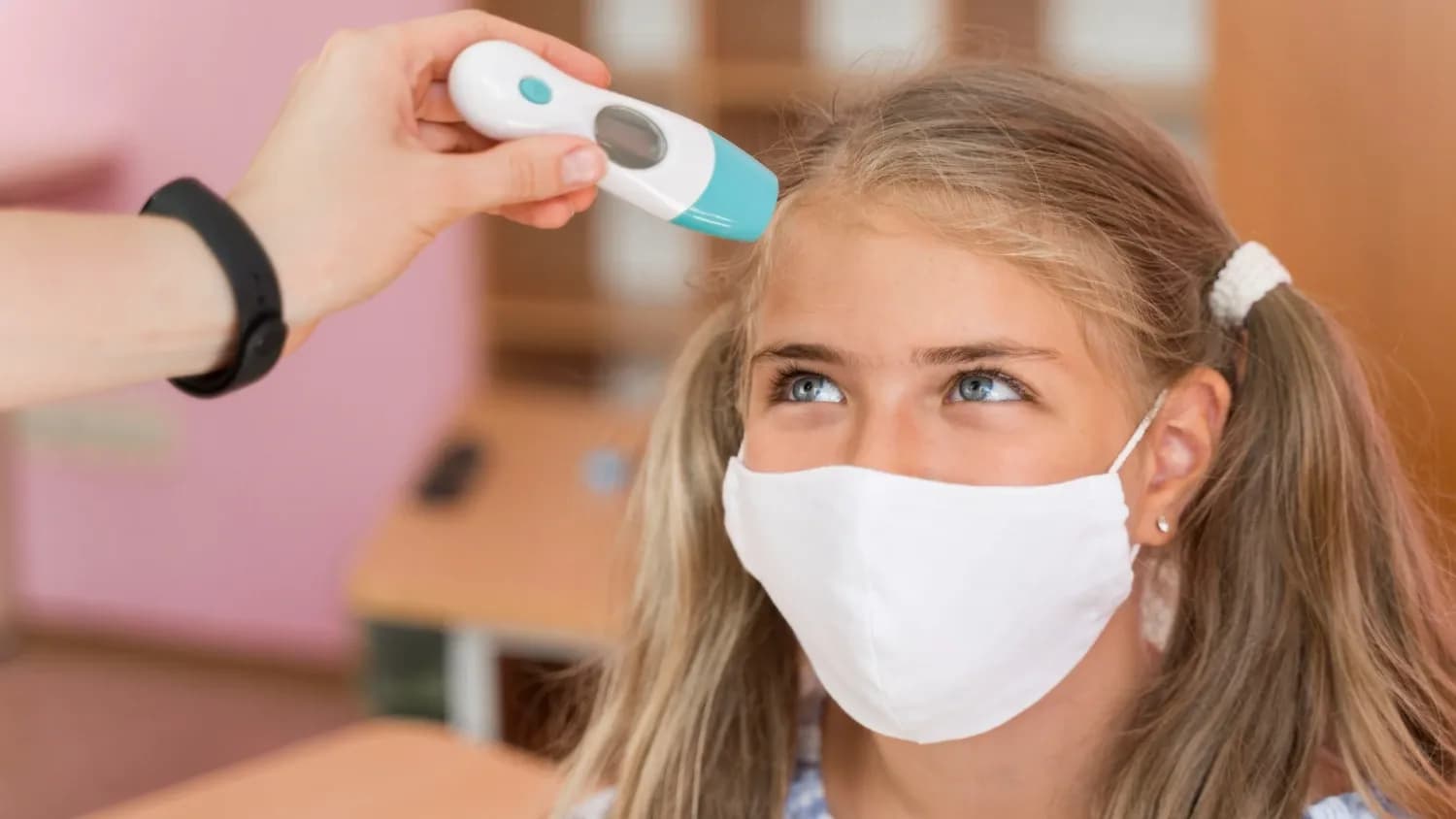
    checking fever spike

    Managing the Fever at Home

    Pay more attention to how your child is behaving than to the number on the thermometer. A child with a 104°F (40°C) fever who is drinking, making eye contact, and responding to you is less worrying than a child with a 101°F (38.3°C) fever who is limp and glassy-eyed.

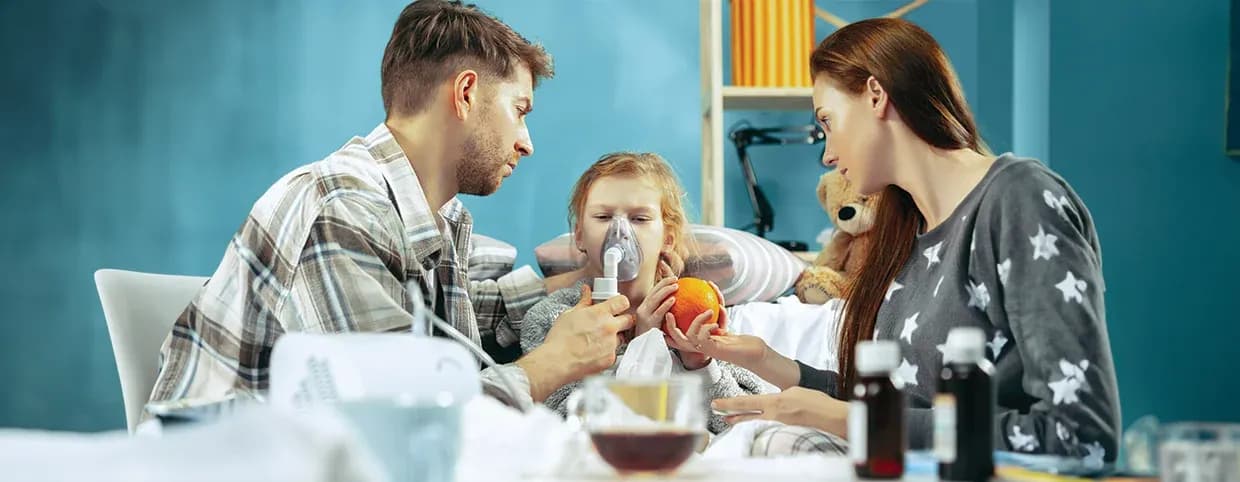
    Managing toddler fever at night at home starts with keeping your child lightly dressed. Heavy blankets and layers trap heat and push the temperature higher. Small, frequent sips of water, diluted juice, or an oral rehydration solution help offset the fluid loss that happens with fever. A lukewarm bath can bring some comfort without suppressing the immune response too aggressively. 

    If your child is clearly uncomfortable, acetaminophen or ibuprofen are appropriate options. Ibuprofen should be avoided in infants under six months. Never give aspirin to children or teenagers. For children under two, confirm dosing with a healthcare provider rather than relying on the label alone. 

    There is no need to chase the temperature back to normal. Bringing it down by two or three degrees is enough to make the child more comfortable without interfering with the immune response.

    Schedule a Pediatrician Home Visit with FRH

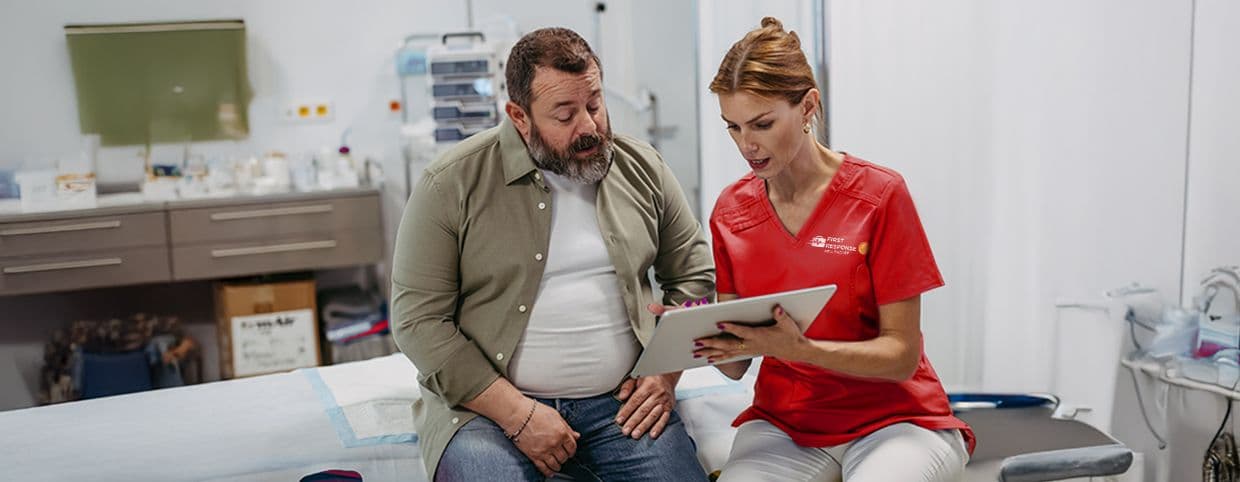
    When a child's fever at night is worrying you at 11 pm, and waiting until the morning clinic opens does not feel like the right call, an at home pediatrician is a practical option. A doctor who can examine your child in person, at home, is better placed to assess the things that cannot be checked over the phone: how the child looks, how they are responding, and whether something else is going on.

    First Response Healthcare provides pediatrician at home services across Dubai, including consultations at any time. A certified Doctor from FRH will assess your child directly and advise on whether hospital care is needed or whether home management is appropriate. Visit First Response Healthcare or call to book a home visit.

    FAQ

    How to Reduce Fever in a Child Naturally

    Keep your child lightly dressed and offer fluids often. Water, diluted juice, or an oral rehydration solution all help. A lukewarm bath can bring some relief. Rest is important too. Avoid bundling them up in heavy blankets, as that traps heat and makes things worse.

    How Long Should a Fever Last in a Child

    Most fevers from viral infections clear up in two to three days, though some can stretch to four. If your child is under two and the fever has lasted more than 24 hours, call your doctor. For children two and older, 72 hours is the threshold. Anything beyond that needs medical attention.

    Is 37.5 a Fever in a Child

    Not quite. A fever starts at 38°C (100.4°F). A temperature of 37.5°C sits in the slightly elevated range but does not count as a fever. Keep an eye on it and check again in an hour, especially if your child seems unwell.

    Should I Let My Child Sleep with a Fever

    Yes. Rest is good for a sick child. You do not need to wake them just because they have a fever. If they are sleeping comfortably, let them sleep. Wake them only if the fever is very high, they seem unusually hard to rouse, or it is time for the next dose of fever-reducing medicine and they were clearly uncomfortable before falling asleep.

    What Is a High Fever for a Child

    A temperature of 103°F (39.4°C) or above is considered high. At 104°F (40°C) or above, call your doctor. For a newborn under three months, any fever at or above 100.4°F (38°C) is an emergency regardless of how mild it looks.

    How Often Should I Check My Child's Fever at Night

    Every four hours is a reasonable rule, especially if you have given fever-reducing medicine. That is roughly when the dose starts wearing off, and the temperature may begin to climb again. If your child is sleeping peacefully and does not seem distressed, you do not need to check more often than that. Trust what you see, not just the thermometer.