

Chlamydia is a bacterial infection that affects both men and women and is transmitted through unprotected vaginal, anal, or oral sex. Often, chlamydia is asymptomatic, meaning individuals may not notice any signs or chlamydia symptoms. However, when chlamydia symptoms do occur, women might experience them differently than the chlamydia symptoms men may encounter.
In Women: Chlamydia symptoms may involve abnormal vaginal discharge, pelvic pain, painful urination, and bleeding between periods. In Men: Chlamydia symptoms in men can include discharge from the penis, painful urination, and testicular pain. It is important to be aware of these signs of chlamydia and seek medical attention if you experience them. Chlamydia can also increase the risk of other STIs, such as gonorrhea, which shares similar symptoms. As per the World Health Organization (WHO), chlamydia can cause major issues if left untreated, especially in women. They can experience pelvic inflammatory disease (PID), abdominal and pelvic pain, and, in later stages, infertility and ectopic pregnancy (a pregnancy that occurs outside the womb).Search
Can’t find what you’re looking for?Reach out to us

January 7, 2025
Quick Threads
- What is Chlamydia?
- How to Test for Chlamydia?
- Why Chlamydia Testing is Important?
- How to Prepare for a Chlamydia Test?
- Chlamydia and More: What Else Should You Know?
- When Should You Get Tested For Chlamydia?
- Conclusion
- Frequently Asked Questions (FAQs)
What is Chlamydia?

How to Test for Chlamydia?
Chlamydia testing is a simple process, and there are several methods used to detect the infection. The two most common types of STD tests for chlamydia are urine tests and swab tests. Each method works to identify the presence of the bacteria that cause chlamydia, ensuring an accurate diagnosis. Even if you don’t have any chlamydia symptoms, regular testing is recommended, especially if you’re sexually active.
Urine Test:
This method involves providing a urine sample, which is then analyzed in a laboratory for traces of the chlamydia bacteria. Typically, you will be asked not to urinate for at least one hour before providing the sample to ensure it’s as accurate as possible. The test itself is simple and non-invasive, making it a popular option for both men and women.Swab Test:
In this method, a healthcare provider will collect a sample from the affected area using a cotton swab. A chlamydia test for women typically involves taking a swab from the cervix during a pelvic exam. For men, the swab is typically taken from the urethra. In some cases, a swab may also be taken from the throat or rectum, depending on the type of sexual contact involved. This test can be slightly uncomfortable but is quick and essential for detecting chlamydia in areas not reached by a urine test. Both methods are highly effective, and the choice of test may depend on personal preference or the recommendation of a healthcare provider. Regular testing using these methods is crucial for early detection and treatment of chlamydia.
Are you looking for a service?
Enquire Now
Why Chlamydia Testing is Important?
Regular chlamydia testing is key to preventing the spread of the infection. Many people are unaware they have chlamydia due to its silent nature, but testing can catch the infection before it leads to more severe health problems or is passed on to others.
Early detection and treatment of chlamydia is crucial to prevent serious health complications, such as:
Pelvic Inflammatory Disease (PID):
This can lead to infertility, chronic pelvic pain, and even ectopic pregnancy in women.Epididymitis:
This can cause pain and swelling in the testicles in men.Increased Risk of Other STIs:
Chlamydia can increase the risk of contracting other sexually transmitted infections.Transmission to Newborn:
Untreated chlamydia can be passed on to a newborn during childbirth, leading to serious health problems. Once diagnosed, Chlamydia treatments typically involve a course of antibiotics, which are highly effective when taken as prescribed. It’s essential to complete the full treatment to ensure the infection is fully eradicated. Sexual partners should also be tested and treated to prevent reinfection. Hence, both men and women need to get regular chlamydia testing, especially if they are sexually active or have multiple partners. Early detection and treatment can help prevent serious health complications and reduce the spread of this infection.
How to Prepare for a Chlamydia Test?
Preparing for a chlamydia test is simple:
Timing: It’s best to avoid sexual activity for a few days before the test to ensure accurate results.
Information: Be ready to provide your healthcare provider with a list of your sexual partners. This information helps with contact tracing and preventing further spread.
Timing: It’s best to avoid sexual activity for a few days before the test to ensure accurate results.
Information: Be ready to provide your healthcare provider with a list of your sexual partners. This information helps with contact tracing and preventing further spread.
What to Expect During the Test?
Urine Test:
Simply provide a urine sample.Swab Test:
A healthcare provider will gently insert a swab into your vagina or urethra to collect a sample. This is a quick and usually painless procedure.Understanding Your Test Results:
Positive Result:
If your chlamydia test is positive, your healthcare provider will discuss treatment options with you. It’s important to follow the prescribed treatment plan to eliminate the infection and prevent complications.Negative Result:
If your test is negative but you continue to experience chlamydia symptoms, it may be necessary to repeat the test or consider other possible causes. Remember, early detection and treatment of chlamydia are crucial to prevent serious health consequences. If you have any concerns or symptoms of chlamydia, don’t hesitate to consult a healthcare provider for testing and appropriate care.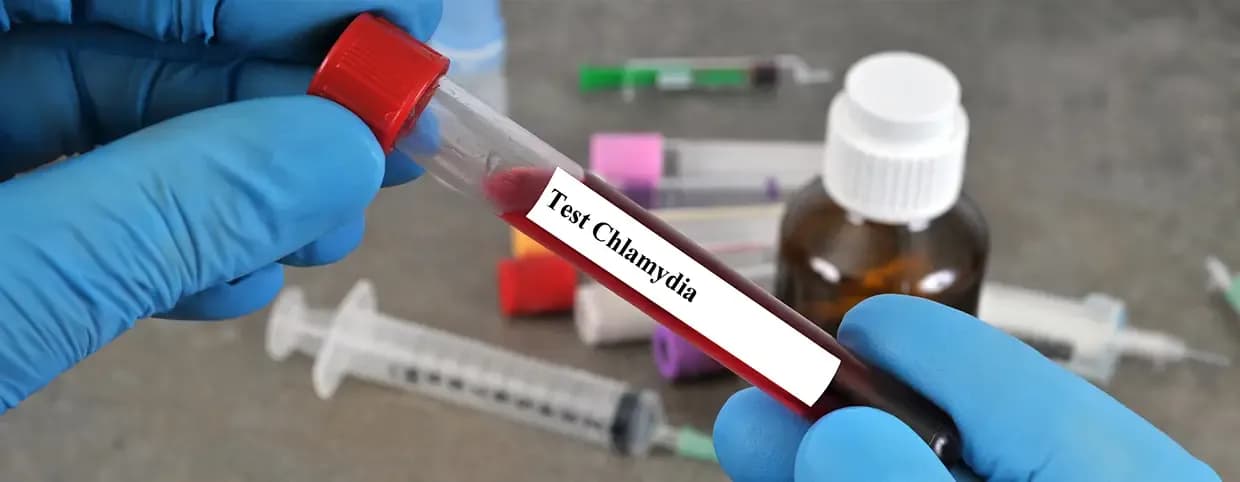
Chlamydia and More: What Else Should You Know?
Chlamydia isn’t the only sexually transmitted infection (STI) out there. It often co-occurs with other STIs, such as gonorrhea, syphilis, and human papillomavirus (HPV). That’s why comprehensive testing is essential, even if you only suspect chlamydia.
When Should You Get Tested For Chlamydia?
- Regularly: If you’re sexually active, consider getting tested for STIs at least once a year, even if you don’t have any symptoms.
- Increased Risk: If you have multiple sexual partners, have recently changed partners, or have a history of STIs, you’re at a higher risk and should get tested more frequently.
- Symptoms: If you experience any symptoms suggestive of chlamydia or other STIs, seek testing promptly.

When Should You Get Tested For Chlamydia?
Regular testing is essential for maintaining a healthy sexual routine. First Response Healthcare offers a seamless and comfortable experience for those seeking chlamydia testing and other sexually transmitted disease (STD) screenings. There’s no need to feel uneasy, First Response Healthcare’s expert healthcare professionals provide a supportive, non-judgmental environment throughout the process. For added convenience and privacy, you can opt for at-home health checkups, where a qualified healthcare provider visits your home to conduct the test. This discreet service ensures you can prioritize your health with ease, all from the comfort of your own space.
Conclusion
Chlamydia testing is an important part of maintaining sexual health. By getting tested regularly, you can help prevent the spread of chlamydia and detect it before it causes serious health problems. If you are sexually active, it is important to talk to your healthcare provider about chlamydia testing and treatment. Early detection and chlamydia treatments are vital for reducing health risks and protecting both yourself and your partners.
Did You Know?
Untreated chlamydia in pregnant women can increase the risk of premature birth and low birth weight in babies.
Untreated chlamydia in pregnant women can increase the risk of premature birth and low birth weight in babies.