Can’t find what you’re looking for?Reach out to us

    Health and Wellness

    8 Early Signs of Iron Deficiency in Children Parents Often Miss

    Iron Deficiency in Children

    July 24, 2026

    Iron is the mineral that helps red blood cells carry oxygen to every part of the body. When a child does not get enough of it, the body starts running on less oxygen than it needs. The trouble is that iron deficiency in children does not always look dramatic at first. It often shows up as small, easy-to-dismiss changes that parents chalk up to a bad week, a growth spurt, or just "being a kid."

    Catching it early matters. Left unaddressed, low iron can affect a child's brain development, immune function, and energy levels in ways that are harder to reverse later. Here are eight signs worth paying attention to.

    1. Unusual Tiredness

    A child who is regularly low on iron will look and act tired even after a full night's sleep. When the body is short on iron, oxygen delivery to muscles and organs drops, and the child's energy never properly refills. They may opt out of games they normally enjoy or fall asleep at odd times. This kind of persistent, unexplained fatigue in a child who is otherwise healthy is one of the first things a doctor will check iron levels for.

    2. Pale Skin, Gums, or Nail Beds

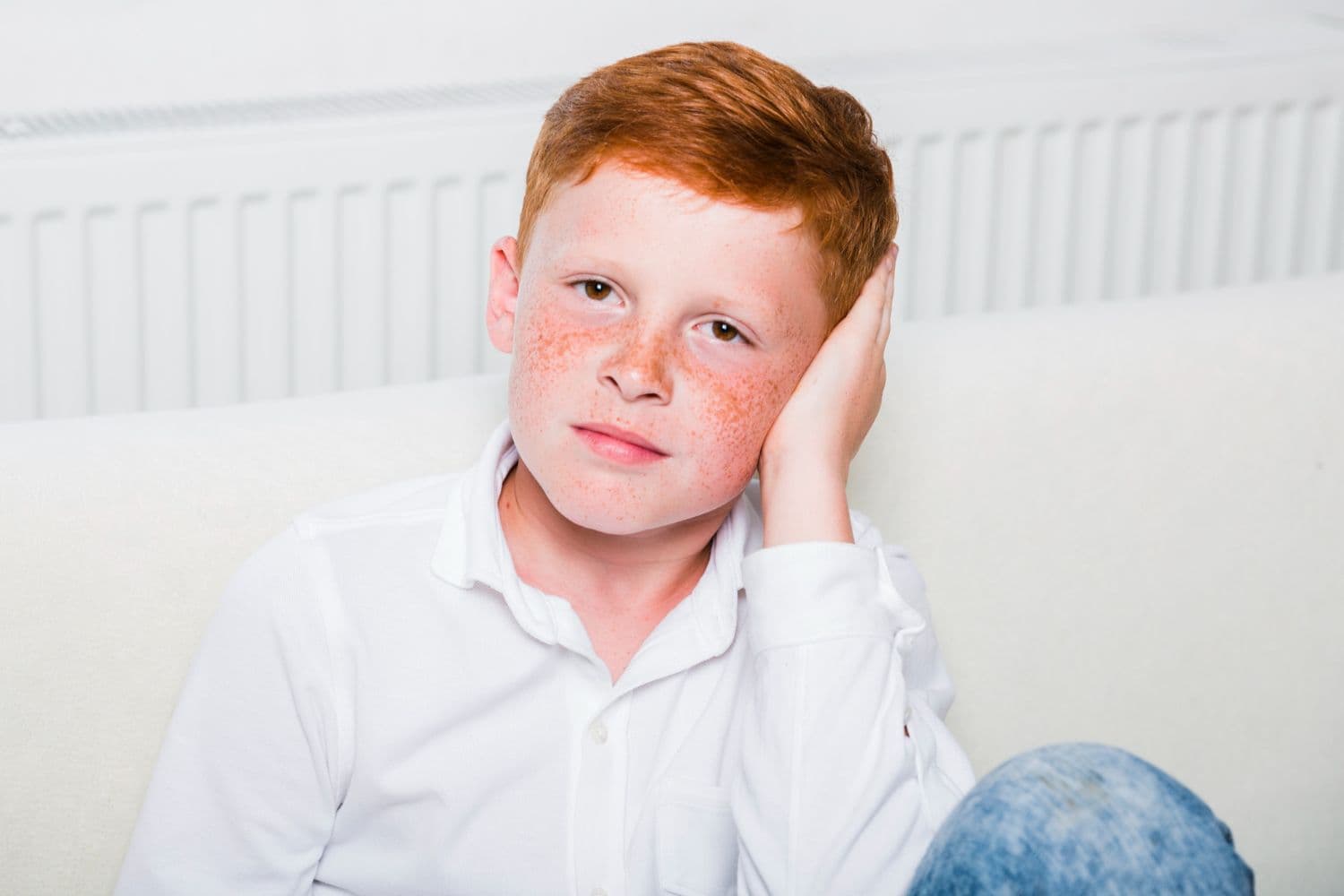
    Hemoglobin, the protein that carries oxygen in red blood cells, is also what gives skin its warm, pinkish tone. When iron levels drop and hemoglobin production falls, that color fades. Pale skin is one of the common signs of iron deficiency in children. The places to check are not the cheeks but the inner rim of the lower eyelid, the gums, and the fingernail beds. If these areas look pale pink or almost white rather than a healthy red, that is worth mentioning to a doctor at the next visit.

    pale-skin-gums-nail-beds

    3. Irritability and Mood Changes

    Deficiency of iron in kids affects the brain before it shows up in a blood test result that looks alarming. Iron plays a role in serotonin production, and lower serotonin can make a child more anxious, more tearful, and quicker to frustration. Parents often describe it as their child becoming a different person: more reactive, harder to settle, upset over small things. If there is no obvious external reason for a sustained shift in mood, nutrition is worth examining alongside the other usual suspects.

    4. Trouble Concentrating or Slowed Development

    Iron is involved in building myelin, the protective coating around nerve fibers, and in producing the neurotransmitters that allow signals to travel efficiently through the brain. Children who are low on iron may struggle to hold attention in class, forget instructions, or fall behind peers in reading and language development. In younger children, this can appear as delayed motor milestones rather than academic difficulties. These effects are not always reversible, which is why catching the deficiency of iron in kids early is so important.

    5. Rapid Heartbeat or Breathlessness

    When the blood is not carrying enough oxygen, the heart compensates by beating faster to push more blood around the body. In children, this can show up as a noticeably rapid pulse, visible chest movement, or complaints of feeling "weird in my chest." Older children and teenagers may also describe getting short of breath during activities that never bothered them before, like climbing stairs or running in PE. This symptom tends to appear once the deficiency has progressed rather than at the very start.

    6. Cravings for Non-Food Items (Pica)

    This one tends to catch parents off guard. A child who repeatedly chews ice, eats dirt, or mouths chalk or clay may be showing a sign called pica, which is the persistent craving for non-food substances. Its connection to low iron is well established, though the exact reason is not fully understood. One theory is that the brain responds to low iron by triggering unusual cravings. Whatever the mechanism, cravings for ice in particular are closely associated with iron deficiency. They typically stop once iron levels are corrected. Toddlers mouthing things out of curiosity is normal; a sustained, repeated pattern is not.

    7. Frequent Headaches

    When the brain receives less oxygen than it needs, headaches follow. In children, this symptom is regularly attributed to dehydration, too much screen time, or not enough sleep, and those explanations are sometimes right. But a child who is getting headaches frequently and whose sleep, hydration, and screen habits seem fine is worth investigating further. Iron deficiency rarely appears on the shortlist when parents are troubleshooting childhood headaches, which is exactly why it gets missed.

    8. Poor Appetite

    A poor appetite, where the child is not hungry or appears disinterested in eating, is one of the signs of iron deficiency. This creates a difficult cycle: the child does not feel hungry, so they eat less; eating less means even lower iron intake; and lower iron intake makes the problem worse. If a child who used to eat reasonably well has become consistently uninterested in food, it is not always a phase.

    Prevention of Iron Deficiency: What Parents Can Do

    Simple dietary and lifestyle measures can help reduce your child's risk of developing iron deficiency. Here are some practical steps parents can take:

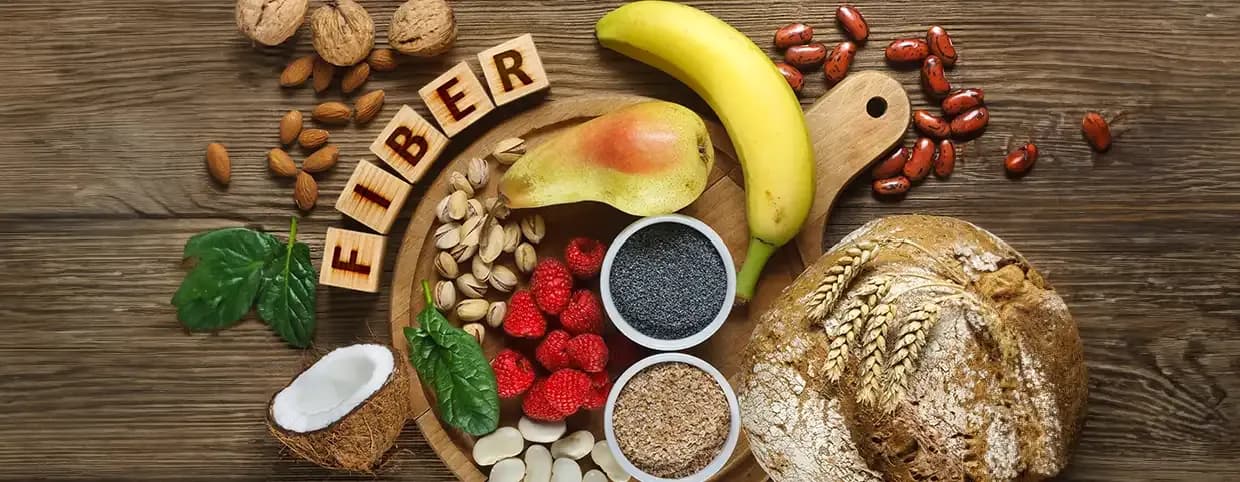
    • Include red meat, chicken, fish, lentils, beans, and spinach in your child's diet, as these are reliable sources of dietary iron.
    • For children under five years of age, keep milk intake below 710 mL per day, as consuming more than this can crowd out iron-rich foods and directly interfere with iron absorption.
    • Pair iron-containing foods with a source of vitamin C at the same meal, as vitamin C converts iron into a form the body absorbs more readily. Good sources include citrus fruits, tomatoes, bell peppers, and strawberries.
    • Avoid giving tea or coffee with meals, as the tannins in both reduce iron absorption.
    • Follow the American Academy of Pediatrics' recommendation for a hemoglobin screening between 9 and 12 months of age.
    • If your child eats a restricted diet, was born prematurely, or has a condition affecting iron absorption, discuss with your doctor whether earlier or more frequent screening is needed.

    Get Your Child's Iron Levels Checked with First Response Healthcare

    If you have noticed any of these signs in your child and want a clear answer rather than a waiting game, First Response Healthcare can help. FRH provides at-home blood tests and pediatric consultations in the UAE, Qatar, and KSA, so you can get a hemoglobin and ferritin check done without a hospital visit. FRH's team can review results with you and advise on next steps, whether that is a dietary plan, supplementation, or further investigation. Left unchecked, deficiency of iron in kids can quietly affect growth, behaviour, and school performance for far longer than parents expect, which is why early action on iron deficiency in children makes a real difference to their development and day-to-day wellbeing.

    FAQ

    How do I know if my child has an iron deficiency?

    The most common signs are unusual tiredness, pale gums or nail beds, and frequent irritability. A simple blood test from your doctor will confirm it.

    Does too much milk cause iron deficiency in kids?

    It can contribute. Milk fills children up without providing iron, and in large amounts, it also interferes with how the body absorbs iron from other foods. Keeping intake under 710ml a day for children under five is the general recommendation.

    Can iron deficiency affect my child's performance in school?

    Yes. Low iron affects concentration, memory, and processing speed. Some children who are flagged for attention difficulties are actually iron-deficient. A blood test is a reasonable first step before assuming anything else.

    Is it safe to give my child iron supplements without a doctor's advice?

    No. Too much iron can be harmful, and not all tiredness or pallor is caused by iron deficiency. Always get a blood test first and follow your doctor's guidance on dosage.

    How long does it take to correct iron deficiency?

    It depends on how low the levels are. With supplements, iron stores can begin to recover within a few weeks, but it typically takes a few months to fully correct. Your doctor will retest to confirm.