

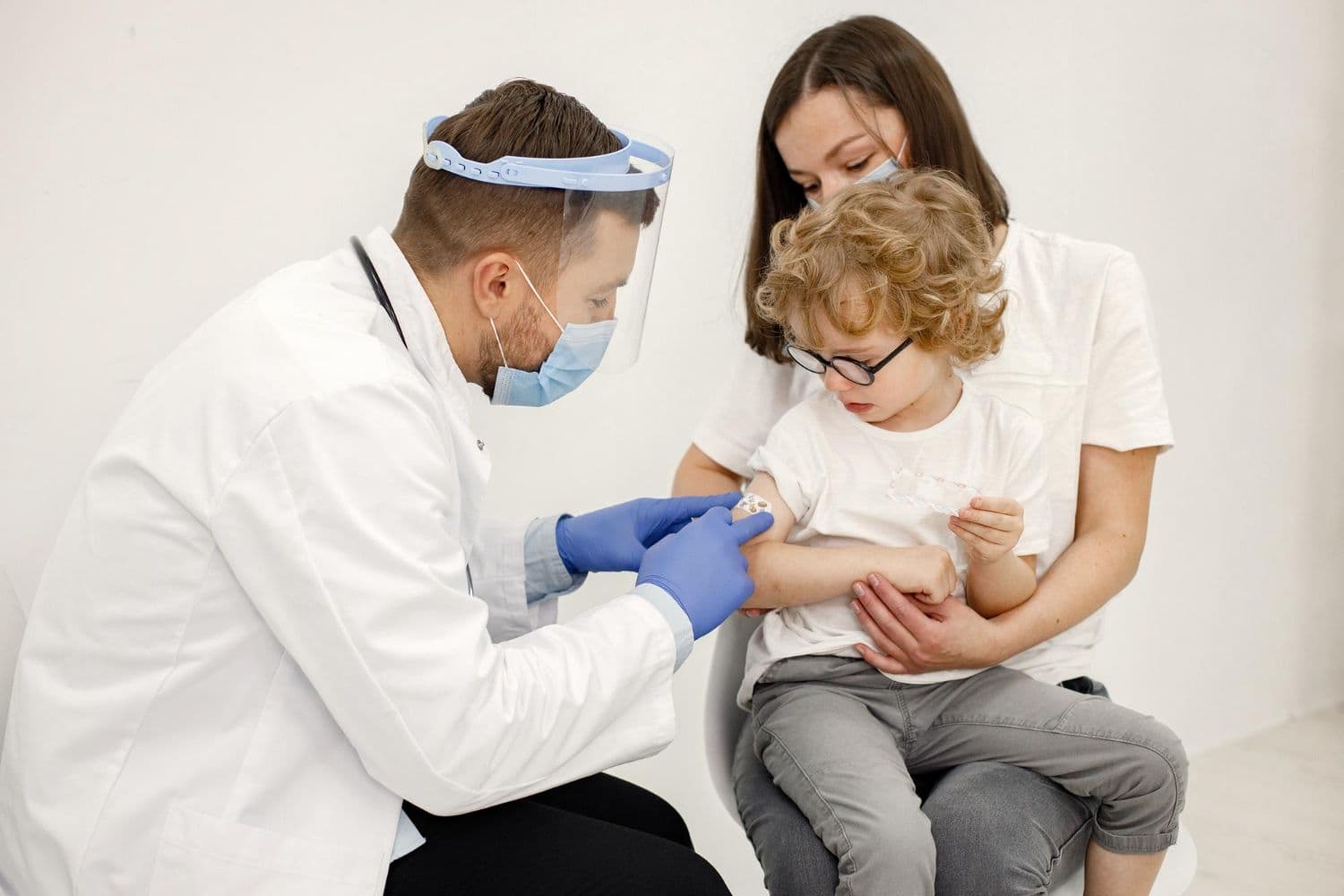
The first few weeks of school can be surprisingly exhausting for children. Earlier mornings, packed classrooms, and a new routine often leave them more tired than usual. Most of the time, that's completely normal. But if your child already seemed unusually tired before school started, has been growing more slowly than expected, or keeps getting sick, it may be worth looking a little deeper. A simple blood test for children can uncover problems like iron deficiency or a vitamin deficiency before they begin affecting school, sports, and everyday life.
Search
Can’t find what you’re looking for?Reach out to us
Health and Wellness
Essential Blood Tests to Get Done Before Back-to-School
August 6, 2026
August 6, 2026
Quick Threads
- Why Consider a Blood Test Before School Starts?
- Common Signs Your Child May Need Blood Tests
- Which Blood Tests Are Most Commonly Recommended?
- When to Schedule Your Child's Blood Test
- Book At-Home Blood Tests for Children with First Response Healthcare
- FAQ
Why Consider a Blood Test Before School Starts?
Children between roughly 4 and 10 years are growing fast, and their nutrient and hormone needs shift just as fast. A gap in iron, vitamin D, or hormones doesn't always look dramatic at this age. It shows up as a child who's a little slower to finish homework, a little more tired at pickup, or a little more prone to catching whatever is going around the classroom. School also brings greater exposure to common infections and a more demanding routine, which can make nutrient deficiencies and other underlying health issues more noticeable.
Testing before term starts gives parents a baseline. If everything looks normal, that's one less thing to worry about all year. If something's off, there's time to address it before exams, sports tryouts, or the flu season that always seems to hit in October. For parents considering a pre school blood test, discussing the need for testing with a pediatrician can help determine which checks are appropriate for the child.

Are you looking for a service?
Enquire Now
Common Signs Your Child May Need Blood Tests
Most parents don't think "blood test" the first time their child seems a bit off. The signs are easy to explain away: they slept badly, they're a fussy eater, they're just tired from a growth spurt. But a cluster of these signs together is worth paying attention to.
- Frequent tiredness or low energy that doesn't improve with more sleep
- Picky eating or a noticeably reduced appetite
- Slower growth compared to last year's checkup
- Catching colds, coughs, or infections more often than classmates
- Pale skin or lips
- Trouble focusing on homework or in class
None of these signs point to just one condition. That's exactly why a blood panel is more useful than guessing: it checks several possibilities in one sitting instead of chasing one symptom at a time. Taking blood test for children may help a doctor investigate possible nutritional deficiencies or other concerns when symptoms persist.

Which Blood Tests Are Most Commonly Recommended?
A pre school blood test doesn't need to be a long list of unrelated checks. The types of blood tests recommended for a child depend on their symptoms, diet, medical history, and overall health. A handful of specific tests can help investigate common concerns in school-age children, and a pediatrician can narrow the list based on the child's individual needs.
Types of Blood Tests
- Complete Blood Count (CBC): Usually the first test a doctor orders. It flags anemia and early signs of infection or immune trouble. Iron deficiency is common in kids with picky eating habits.
- Vitamin D: Deficiency is surprisingly common in children even in sunny climates, mostly because school-age kids spend more time indoors than they used to. Low levels can mean weak bones, weak muscles, an immune system that struggles to keep up, and delayed growth.
- Thyroid profile (T3, T4, TSH): An underactive or overactive thyroid can affect growth, weight, and concentration, sometimes in ways that get mistaken for laziness or a behavior issue at school.
- Vitamin B12: Supports brain development and nerve function; low levels are linked to fatigue and poor concentration.
- Iron studies: Useful alongside the CBC for children with a limited or picky diet, because iron deficiency can begin months before anemia shows up.
- Fasting blood sugar or HbA1c: Diabetes is still uncommon in children, but rising rates linked to diet and activity changes make it worth checking, especially with a family history.
- Allergy panel: Identifies specific triggers like milk, wheat, nuts, dust mites, or pollen, which matters once a child is spending six hours a day in a classroom instead of at home.
Not every child needs all the types of blood tests. A pediatrician typically decides which tests are appropriate based on the child's symptoms, diet, medical history, and overall health.
When to Schedule Your Child's Blood Test
The general guidance is to get baseline testing done around age 4 to 6, before a child starts school, and then repeat basic screening every 1 to 2 years if there are no ongoing concerns. Healthy children with no symptoms generally only need an annual basic panel; anything more frequent is usually driven by a specific symptom or a doctor's recommendation.
If a child has persistent tiredness, poor growth, dietary concerns, or other symptoms, a doctor may recommend testing to investigate the underlying cause. Scheduling a pre school blood test should therefore be based on medical advice rather than as a routine requirement for every child.
None of this is meant to turn a healthy, active child into a walking list of worries. Most kids who go in for a back-to-school panel come back with entirely normal results, and that's a good outcome too. The point of testing isn't to find a problem. It's to rule one out before it turns into missed school days, a frustrated teacher, or a tired kid who can't explain why they feel off.
Book At-Home Blood Tests for Children with First Response Healthcare
Getting a young child to sit still for a blood draw in an unfamiliar clinic is its own kind of stressful, and plenty of parents put testing off simply because the logistics feel like too much. First Response Healthcare (FRH) removes that friction by bringing the testing to the child instead of the other way around. A trained nurse visits at home, in surroundings the child already feels comfortable in, which tends to make the whole process calmer for everyone involved.
FRH's home healthcare services extend well beyond the blood draw itself. Families can arrange pediatric home visits for sample collection, follow-up consultations to walk through results, and ongoing care coordination if a test flags something that needs attention. For parents juggling school runs, work, and everything else that comes with a new term, having one team handle the testing, the explanation, and the next steps takes a genuine weight off.
FAQ
What is included in a typical blood test for children before school?
Most panels start with a CBC and vitamin D check, then add thyroid, iron, glucose, or allergy testing depending on the child's symptoms and diet. A pediatrician usually decides the exact combination.
Does my child need to fast before the test?
Only for certain tests, like fasting blood sugar. Tests such as CBC or vitamin D don't require fasting, so check with the provider beforehand.
Is a pre school blood test painful for young children?
A standard blood draw involves brief discomfort, similar to a quick pinch, and trained staff use techniques suited to children to keep it as quick as possible.
At what age should the first blood test happen?
Around 4 to 6 years old, before a child starts school, is the commonly recommended starting point for baseline testing.
How often should a healthy child be retested?
Roughly every 1 to 2 years is enough for a child with no symptoms and normal results the first time around.