

Can’t find what you’re looking for?Reach out to us

    Health Tips

    How to Cure PMOS Permanently? The Truth About Managing PMOS Effectively

    How to Cure PMOS Permanently

    September 24, 2026

    You get your period, then you don't, then you do again three months later. You've cut sugar, started walking every day, and the acne along your jawline still won't quit. Somewhere along the way, someone told you that you have PMOS (polyendocrine metabolic ovarian syndrome, formerly known as PCOS), and somewhere along the way, you started googling "how to cure PMOS permanently" at midnight.

    Here's the honest answer, and it's not the one most people want to hear: there is no permanent cure for PMOS. But that's not the same as saying nothing works. Plenty of women get their cycles back, clear their skin, and stop thinking about this condition every single day. The gap between "cured" and "under control" is smaller than it sounds.


    Can PMOS Be Managed Effectively?

    PMOS is not something that can be treated with a single pill. It is often linked to insulin resistance, higher levels of androgens, and genetic factors, which can contribute to symptoms such as irregular periods, acne, weight changes, and excess hair growth. Insulin resistance can play an important role in these symptoms, which is why simply cutting out sugar may not be enough.

    Although there is no guaranteed permanent cure, PMOS can often be managed effectively. Some women see improvements in their periods, skin, weight, and overall well-being through lifestyle changes, while others may need medication and regular medical care. The right approach depends on the symptoms and underlying factors affecting each person.

    Managing PMOS successfully is about controlling symptoms and supporting long-term health rather than looking for a quick fix. This is why searching for how to cure PMOS permanently can sometimes create unrealistic expectations about what treatment can achieve.

    CTA Background

    Are you looking for a service?

    Enquire Now
    CTA

    Common PMOS Symptoms to Watch For

    Irregular or missed periods are usually the first sign, but they're rarely the only one. A lot of women write off the rest as "just stress" for years before connecting the dots. The symptoms tend to cluster into a few groups.

    Menstrual symptoms

    • Periods that skip months or show up unpredictably
    • Cycles that are unusually short, long, or heavy

    Skin and hair symptoms

    • Acne that clusters around the jaw and chin
    • Excess hair on the face, chest, or back
    • Thinning hair on the scalp

    Metabolic symptoms

    • Weight that's hard to shift no matter what you try
    • Fatigue, low mood, or trouble sleeping

    None of these on their own confirms PMOS. But if a few show up together across these groups, it's worth getting bloodwork and an ultrasound rather than guessing.

    The symptom list is long partly because PMOS isn't one single disorder with one single trigger. For one woman, it may mean stubborn weight gain, acne, and irregular periods. For another, it might be excess hair growth, thinning scalp hair, or difficulty getting pregnant despite being at a healthy weight. That's why two women can both have PMOS and look nothing alike on paper.

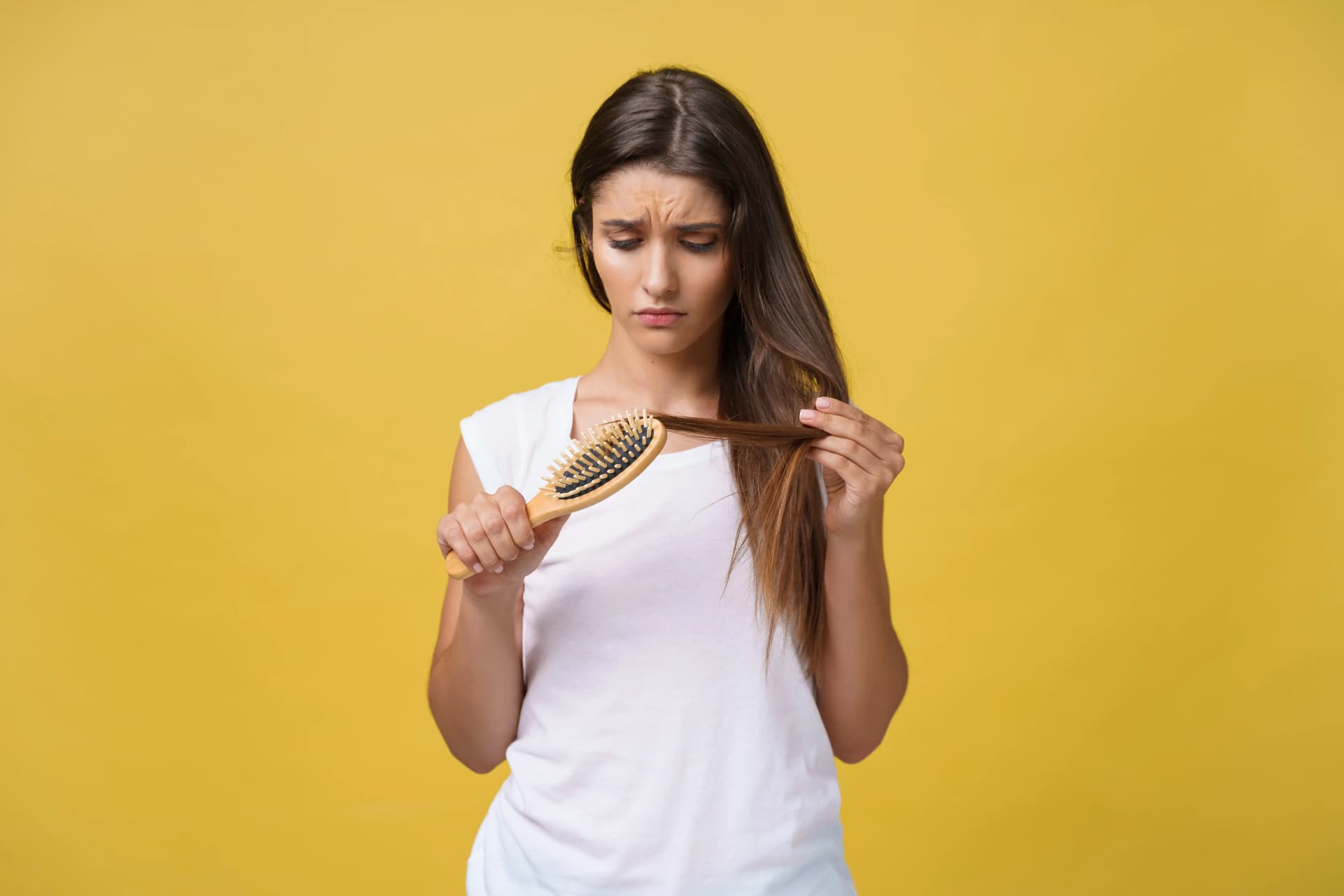
    women with damaged hair

    How to Manage PMOS Symptoms Naturally

    Losing even 5 to 10 percent of body weight, if you carry extra weight, is one of the few changes with consistently good evidence behind it. It can restart ovulation, bring periods back on schedule, and take the edge off skin and hair symptoms.

    Food and movement do a lot of the heavy lifting day to day:

    • Build meals around fiber, lean protein, and whole grains instead of refined carbs
    • Cut back on sugary drinks and fried food
    • Aim for roughly 150 minutes of movement a week, mixing walking with some strength training
    • Protect sleep and keep stress in check, since a stressed-out week tends to show up on your skin two weeks later

    This doesn't need to be perfect. Small steps done again and again work better than a hard two-week reset. Small, consistent changes are an important part of effective PMOS management.

    PMOS Management: When Medication May Help

    Lifestyle changes are the foundation, but they're not always enough on their own, and that's fine. A personalized PMOS treatment plan may include medication depending on your symptoms, reproductive goals, and overall health. 

    • Birth control pills, commonly used to regulate cycles and lower androgen levels. 
    • Metformin helps with insulin resistance directly and is often paired with lifestyle changes rather than replacing them. 
    • For women trying to conceive, letrozole or clomiphene are typically the first medications tried to trigger ovulation.

    Surgery exists too, though it's a later option. Laparoscopic ovarian drilling can help restore ovulation when fertility medications alone haven't worked, though its effects tend to fade over a few years rather than lasting indefinitely.

    Can PMOS Be Managed Successfully Long Term?

    Managing PMOS isn't about chasing a cure that doesn't exist. It's about getting your cycle predictable, your skin calmer, and your energy back to something normal, and staying there. With the right combination of lifestyle changes, medication, and consistency, cycles can normalize, hormones can settle, and long-term health risks can drop significantly over time. 

    Care usually works best when it's built around what's actually driving your symptoms, whether that's insulin resistance, inflammation, or stress-related hormone shifts, rather than a one-size-fits-all plan. For a lot of women, that combination is enough for symptoms to fade for years at a time, even if the same hormone and insulin patterns are still running quietly underneath. This approach to PMOS management focuses on long-term symptom control and overall health rather than promising a permanent cure. 

    Professional PMOS Care at Home with First Response Healthcare

    Managing PMOS well means care that's built around what's actually happening in your body, not a generic plan you found online. That's harder to arrange on your own than it sounds. Between bloodwork, medication timing, and watching for symptoms that creep back, PMOS takes more coordination than most people expect. 

    First Response Healthcare (FRH) sends doctors and nurses to your door for lab draws and check-ins, keeps your medication schedule on track, and flags changes early instead of waiting for the next appointment to catch them. FRH also supports the lifestyle side of PMOS by coordinating nutrition, exercise, and hormone management under one care plan. The goal is simple: a plan built around your actual symptoms, with experts checking in consistently, so you're never figuring out the next step alone.

    A suitable PMOS treatment approach should always be discussed with a qualified healthcare professional, particularly if you have irregular periods, fertility concerns, significant hormonal symptoms, or other underlying health conditions.

    FAQs

    Can PMOS actually be cured permanently?
    No. PMOS doesn't fully go away, but symptoms can be controlled well enough that many women stop noticing them day to day. There isn't a proven PMOS treatment that permanently eliminates the condition in every patient. 

    What are the earliest PMOS symptoms to watch for?
    Irregular periods are usually first, often alongside acne or unexplained weight gain. Excess hair growth and hair thinning tend to show up as the condition progresses.

    Does losing weight cure PMOS?
    It doesn't cure it, but losing 5 to 10 percent of body weight can restart ovulation and significantly ease symptoms for many women.

    How long does it take to see results from diet and exercise changes?
    Most women notice changes in energy and skin within a couple of months, while cycle regularity can take longer, often three to six months.