Can’t find what you’re looking for?Reach out to us

    Health and Wellness

    Is Your Child Always Tired? Could It Be Iron Deficiency [Parent's Guide]

    iron deficiency in children

    July 16, 2026

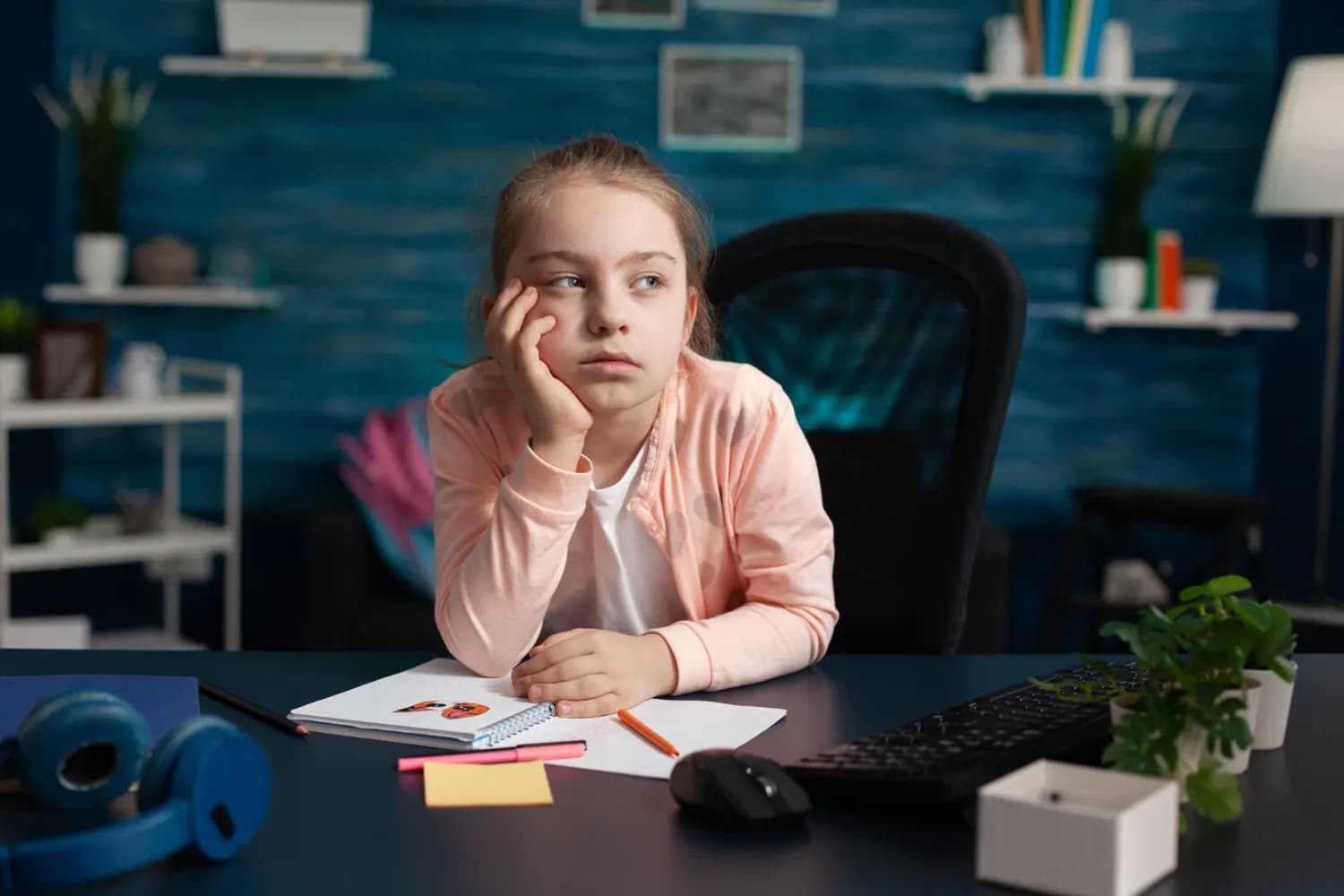
    Tiredness is one of the most common and overlooked signs of iron deficiency in children. Many parents put it down to a late night or a busy school day. But when the fatigue just does not go away, no matter how much rest your child gets, iron levels are worth looking into. Iron is the mineral your child's body uses to carry oxygen through the blood. When levels drop too low, the body cannot move oxygen properly, and your child will feel worn out, weak, and flat.

    Iron deficiency is one of the most common nutritional conditions in children worldwide, and it tends to creep up slowly. The signs are easy to miss in the early stages. By the time they become obvious, the deficiency has often been going on for a while. If you are a parent in Dubai trying to work out whether something is off with your child's health, this guide covers what to watch for and what you can do about it.


    Why Iron Matters for Children

    Iron helps the body make haemoglobin, the protein in red blood cells that carries oxygen from the lungs to every part of the body. Muscles need iron to store and use oxygen properly. The brain needs it too. Without enough iron, the body cannot produce enough healthy red blood cells, and oxygen delivery suffers throughout. This is why iron-deficient children often look pale, feel tired, get infections more easily, and struggle to concentrate at school. It is not just about energy. Iron is deeply tied to how the brain grows and how well a child learns, pays attention, and remembers things. Prolonged iron deficiency during key growth periods can affect cognitive development in ways that are not always easy to reverse. This is what makes catching it early so important.

    Daily Iron Needs by Age for Children

    Age

    Iron Needed Each Day

    7-12 months

    11 mg

    1-3 years

    7 mg

    4-8 years

    10 mg

    9-13 years

    8 mg

    Teen girls (14-18 years)

    15 mg

    Teen boys (14-18 years)

    11 mg

    How to Identify Iron Deficiency in Children: Symptoms to Watch

    Iron deficiency in children does not always announce itself loudly. It often develops gradually, with symptoms that can easily be mistaken for normal childhood behaviour or tiredness. The following symptoms might indicate iron deficiency:

    • Pale skin 
    • Pale nails
    • Constant tiredness
    • An unusually irritable child
    • Loss of interest in playing
    • Difficulty concentrating
    • Slower growth
    • Poor appetite 
    • Pica (the urge to eat non-food items like dirt, chalk, ice, or paper) 
    • Abnormally rapid breathing
    • Brittle nails
    • A deep red tongue
    • Cracks at the corners of the mouth 
    • Cold hands and feet
    • Frequent infections
    • Behavioural problems at home or school 

    If your child has several of these together, it is worth getting a blood test done.

    Why Do Children Become Iron Deficient?

    The most common reason is diet. Children who are picky eaters, or those who do not eat much meat, fish, or leafy greens, simply may not be taking in enough iron. Drinking too much cow's milk is another major cause. Milk is low in iron and, in large amounts, can actually get in the way of the body absorbing iron from food. Children between the ages of one and five who drink more than 710 millilitres of milk per day are at higher risk. Premature babies also tend to have lower iron stores because they miss out on a large amount of the iron that normally passes from mother to baby in the final weeks of pregnancy.

    Growth spurts are another factor. During infancy and adolescence, the body's demand for iron goes up sharply. If the diet does not keep pace, levels can drop quickly. Some children also have conditions like coeliac disease that make it harder for the gut to absorb iron from food. For teenage girls, heavy periods add to the risk. These causes can overlap, which is why some children become deficient even when their parents feel they eat reasonably well.

    Which Children Are at Higher Risk?

    Certain children are more likely to develop iron deficiency than others. Premature babies and those born with low birth weight are at higher risk because they start out with lower iron stores. Infants who are exclusively breastfed beyond six months without iron-rich solid foods being introduced may not be getting enough, since breast milk is low in iron. Children who are very picky eaters, those on plant-based diets, or those who drink large amounts of cow's milk all face a greater risk. A family history of iron deficiency is also worth factoring in. Iron-deficient children are sometimes found among those with ongoing illness or inflammation, since these conditions can make it harder to maintain normal iron levels even with a reasonable diet.

    Prevention of Iron Deficiency: What Parents Can Do

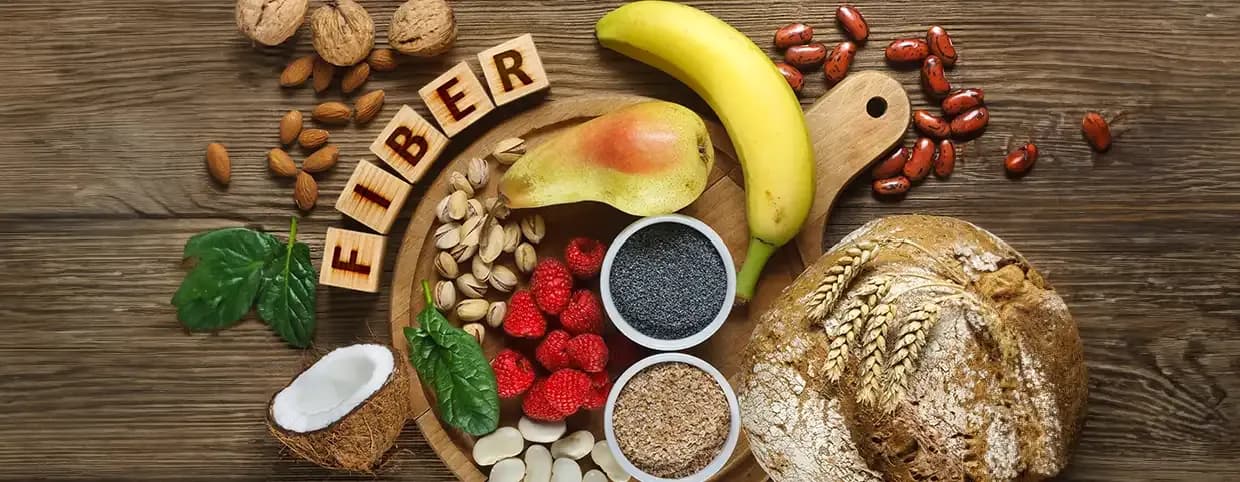
    The best approach to prevention of iron deficiency starts with food. When you begin introducing solids, usually around four to six months, include iron-rich options from the start. Iron-fortified baby cereals, pureed meats, and pureed beans are good choices. For older children, red meat, chicken, fish, lentils, beans, and dark leafy vegetables are good sources of iron. There are two types of dietary iron. Heme iron comes from animal foods and is absorbed easily by the body. Non-heme iron comes from plant foods and is harder for the body to absorb. Eating plant-based iron sources together with vitamin C-rich foods, such as tomatoes, bell peppers, citrus fruits, or strawberries, helps the body take in more of the non-heme iron.

    Limit cow's milk to no more than 710 millilitres per day for children aged one to five. More than this can reduce iron absorption. If you are breastfeeding and your baby is not yet eating enough iron-rich solids, ask your doctor about iron supplements. Premature infants typically need supplementation from around two weeks of age. For full-term breastfed babies, supplementation is often recommended from around four months. Do not start iron supplements on your own without medical advice, as the right dosage matters.

    When to See a Doctor

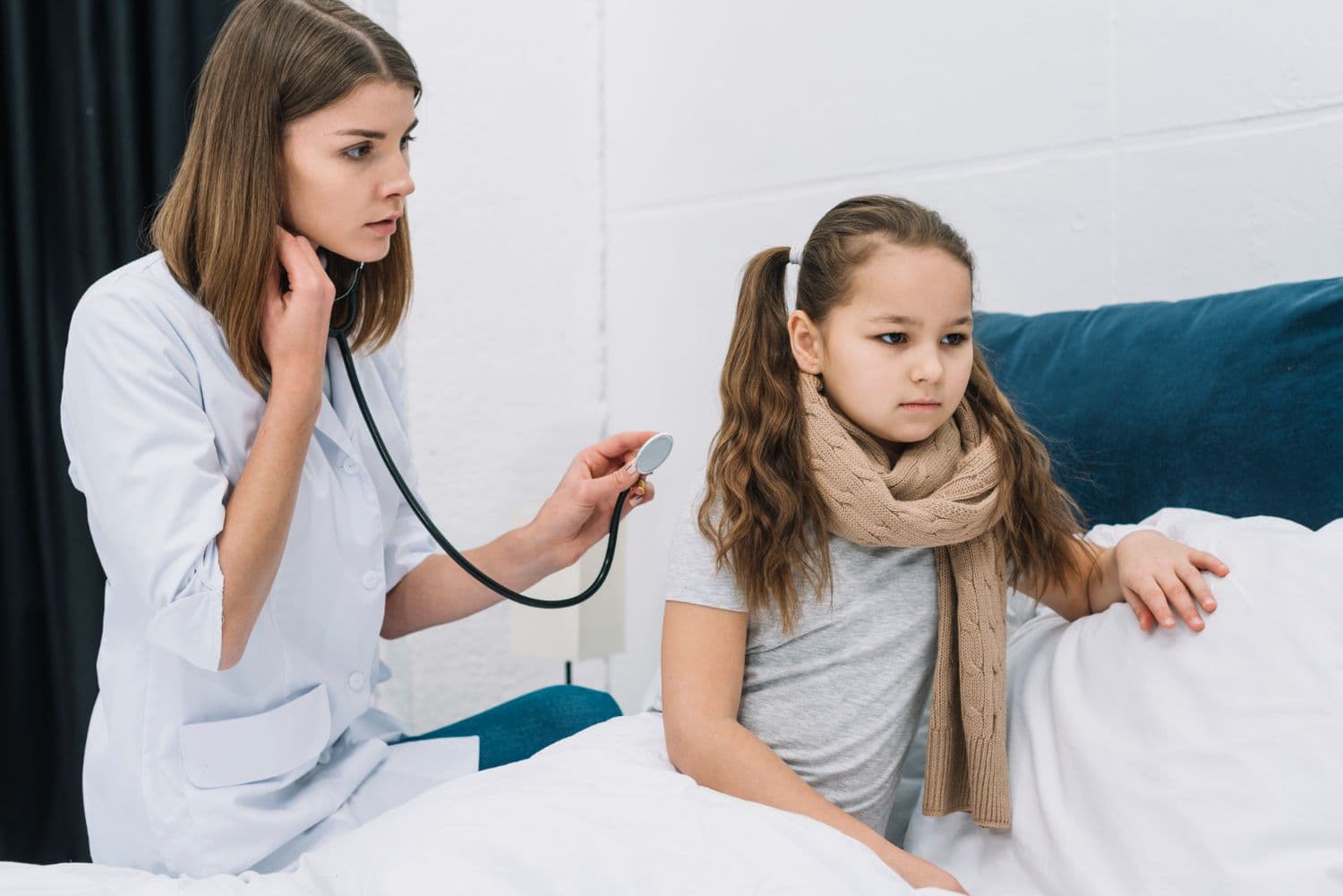
    If your child has persistent tiredness, pale skin, frequent illness, or any of the subtler signs mentioned above, it is worth understanding why regular checkups and blood tests matter so much for catching this early.

    A complete blood count will check haemoglobin and red blood cell levels. A serum ferritin test measures stored iron and can detect a deficiency before anaemia sets in. Iron deficiency can be present without full-blown anaemia, but if it goes untreated, anaemia follows. Severe cases may require intravenous IV therapy or other medical treatment.This is exactly why early screening for iron deficiency and anemia matters so much, it is far easier to catch it while dietary changes and oral supplements can still do the job. The American Academy of Pediatrics recommends screening babies for iron deficiency between the ages of nine and twelve months. Children with risk factors may need to be screened again at later stages.

    doctor checking iron deficient child at home

    At-Home Care For Your Child With FRH

    First Response Healthcare (FRH) brings medical care directly to your home across the UAE, Qatar, and Saudi Arabia, so you do not have to manage your child's health concerns alone or wait for a clinic appointment. Pediatric consultations at home, making it easier to get your child assessed quickly and comfortably, without the stress of a waiting room. Whether you are concerned about your child's energy levels, growth, or diet, the FRH team can assess your child's condition, arrange blood tests, and guide you on the right steps forward. If iron supplementation or follow-up monitoring is needed, FRH can manage that process in your home. 

    FAQ

    Can tiredness really be caused by low iron, or is my child just being lazy?

    It's a fair question. When iron levels drop, the body genuinely cannot deliver enough oxygen to the muscles and brain. Your child is not being lazy. They are running on less than they need, and no amount of sleep fixes that until the iron is back up.

    How do I know if my child needs a blood test?

    If the tiredness has been going on for a few weeks and comes with pale skin, frequent illness, or mood changes, get a blood test done. You do not need to wait until things get worse. A simple blood count can catch it early.

    My child drinks a lot of milk. Is that a problem?

    It can be. Milk is low in iron, and too much of it takes the place of iron-rich foods at mealtimes. Children aged one to five should not be drinking more than 710 millilitres a day. More than that can quietly work against their iron levels.

    Can I just buy iron supplements from a pharmacy?

    Talk to a doctor first. Iron supplements can cause stomach upset and the dosage matters. Too much iron is harmful, and too little will not fix the problem. A blood test tells you what you are actually dealing with before you start anything.

    What foods should I add to my child's meals right now?

    Red meat, chicken, lentils, beans, and dark leafy vegetables are good places to start. Pair them with something high in vitamin C, like tomatoes or orange slices, to help the body absorb the iron better. Small changes at most meals add up fast.