Heart disease causes depend upon various factors, some of the common factors are as follows:
An Unhealthy Diet: Nutrition's Role in Heart Disease
Most men with heart disease tend to consume a diet of highly processed foods, saturated fats, and salts. These are the most responsible causes of heart disease in men. These increase heart disease incidences linked with these problems: high blood pressure and cholesterol levels. Amounts of salt tend to raise blood pressure, which, in turn, is engrossed by the heart; on the other hand, saturated fats elevate the amount of LDL cholesterol that will block the arteries.
An Unhealthy Diet: Nutrition's Role in Heart Disease
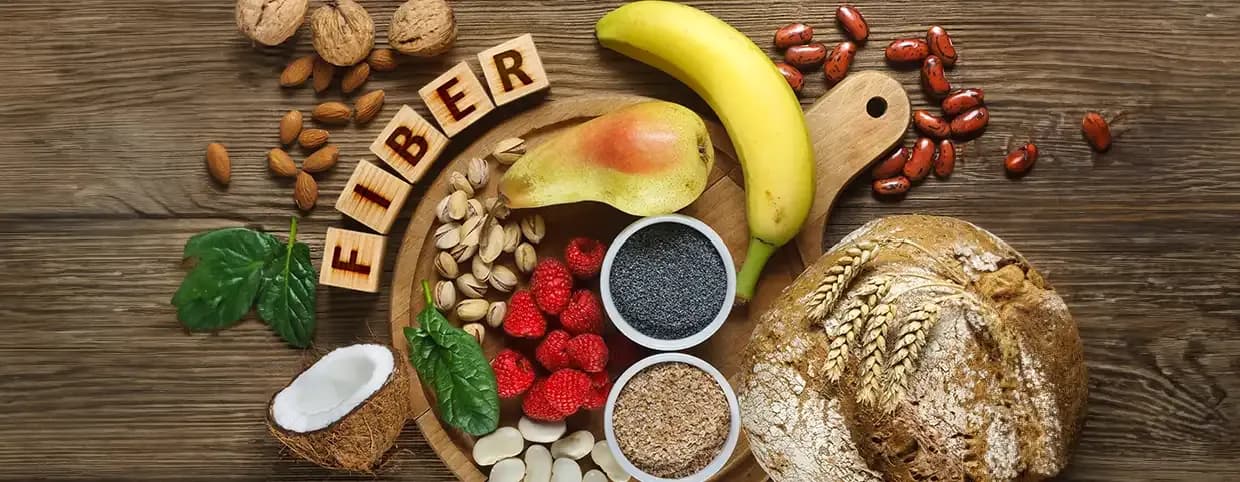
Eating high omega-3 fatty acids like flax seeds, along with having fiber-rich whole grains and vegetables, plus consuming antioxidants in fruits, benefits health overall and keeps blood pressure and cholesterol levels low for cardiovascular health.
Lack of Physical Activity
Heart disease is a silent killer that is largely attributed to a sedentary lifestyle resulting in overweight, high blood pressure, and cholesterol problems that could have otherwise been avoided. No matter how it is packaged, a person who lacks physical activity is going to be heavier than others and builds plaque in the arteries, increasing the chances of heart attack symptoms.
Exercise to Reduce Heart Disease:
It should include a minimum of 30 minutes of moderate physical activity every day. Aerobics is an excellent measure of cardiovascular fitness and can reduce cardiovascular disease in men. Some similar exercises that can be included are brisk walking, swimming, and cycling.
Muscle mass and metabolism could be improved through strength training twice a week including walking up the stairs, going for a walk during lunch breaks, or participating in recreational sports.
High Blood Pressure (Hypertension)
When blood pressure or hypertension becomes uncontrolled, damage is made to the heart and the arteries. It causes constant pressure on the heart, forcing it to thicken over time, becoming weaker with this workload. The arteries undergo constant stress by becoming increasingly rigid and narrow over time and may be subject to conditions such as heart attack symptoms or strokes.
Lifestyle changes and medications are needed and are essential for the management of high blood pressure. Strategies include ignoring salt intake, well-balanced nutrition, exercising, and avoiding cigarettes and drinking.
Medications are also useful in keeping blood pressure levels low to minimize the likelihood of complications arising. Regular monitoring and adherence to treatment are vital for the success of management.