
Can’t find what you’re looking for?Reach out to us

    Health Tips

    Seasonal Flu in UAE: Effective Ways to Boost Immunity

    Influenza symptoms

    June 9, 2026

    Seasonal Flu in UAE: Effective Ways to Boost Immunity

    Clinics across the UAE are reporting a steady stream of patients presenting with fever, persistent cough, and fatigue. Families, older adults, and young children are among the most affected, and the current volume of cases is higher than what doctors would normally expect at this stage of the season, driven in part by holiday travel and post-gathering transmission.

    What makes this seasonal flu in UAE harder to shake is its pattern. Flu doesn't arrive as one wave and leave. Influenza A tends to peak in the earlier winter months, while Influenza B picks up later in February or March. Rather than a gradual drop-off in cases, this year has seen a second rise, pointing to sustained community spread.


    What’s Fueling the Current Flu Surge

    The virus moves through the air via respiratory droplets released when someone infected coughs, sneezes, or speaks. It can also survive on everyday surfaces, such as phones, door handles, and shared desks.

    A combination of cooler temperatures pushing people indoors, increased social contact after travel, and gaps in vaccination uptake have all contributed to how widely influenza has spread this season. The UAE's constantly moving population adds another layer; travellers returning from different parts of the world carry strains that others here may not have encountered before. 

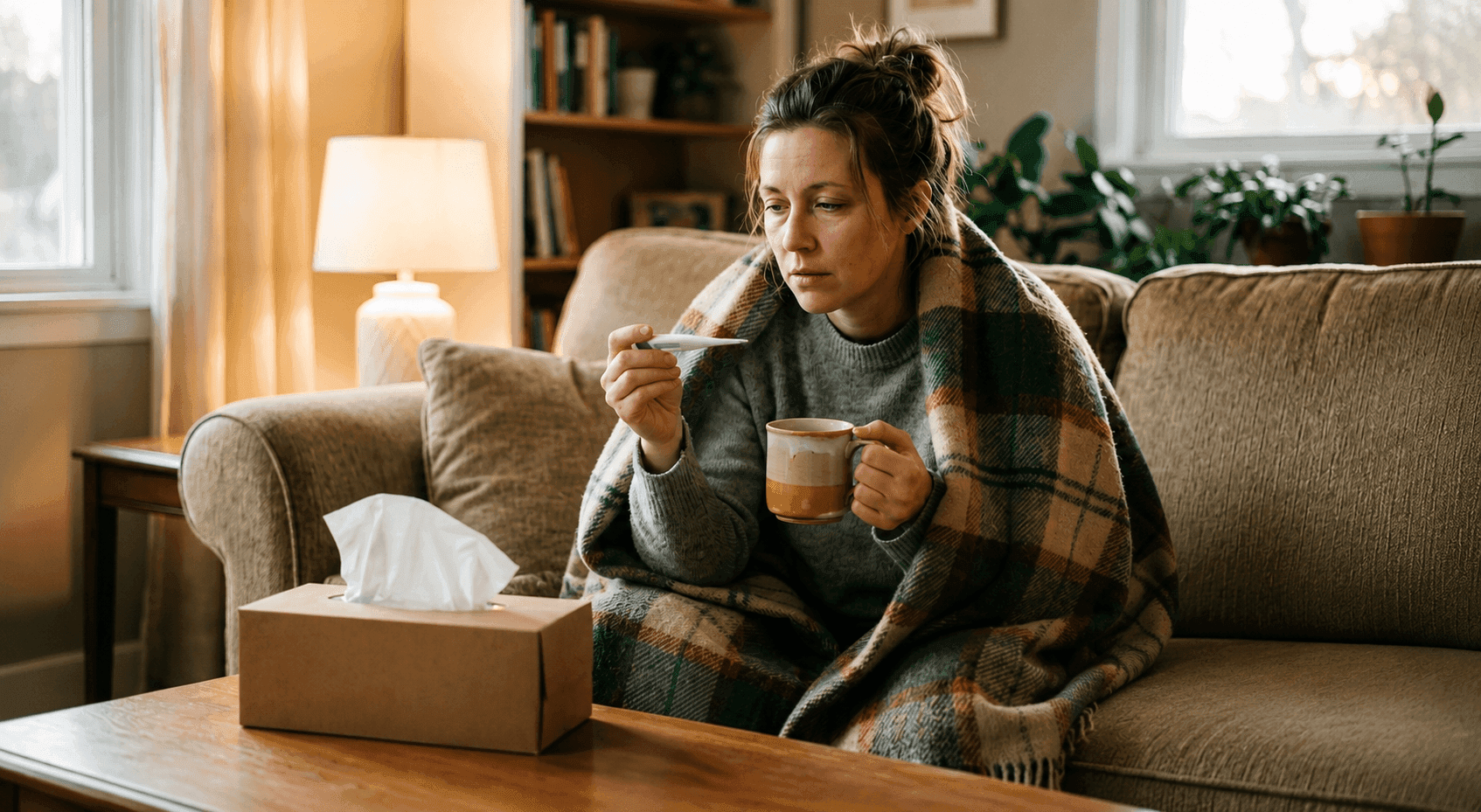
    Those most vulnerable to serious illness include people aged 65 and over, children under five, pregnant women, and anyone managing a chronic health condition such as asthma, heart disease, or kidney disease. Typical symptoms include a high fever, fatigue, dry cough, sore throat, muscle aches, and a runny nose. 

    Supporting Your Immune System During Flu Season in The UAE

    The flu circulates whether you're ready for it or not. What you can influence is your body's ability to respond to it. Building a strong immune system is not a one-time effort; it performs better or worse depending on your daily habits. Nutrition, sleep, hydration, physical activity, and stress levels all affect how efficiently the body fights off infection. Neglect any of these consistently, and the defence weakens.

    Sleep

    Insufficient sleep is linked with a higher chance of getting sick following exposure to a virus. Most adults need between seven and nine hours a night. The immune system does a significant portion of its repair and memory-building work during sleep. Running short on it regularly is one of the quieter ways people lower their own defences. 

    Diet

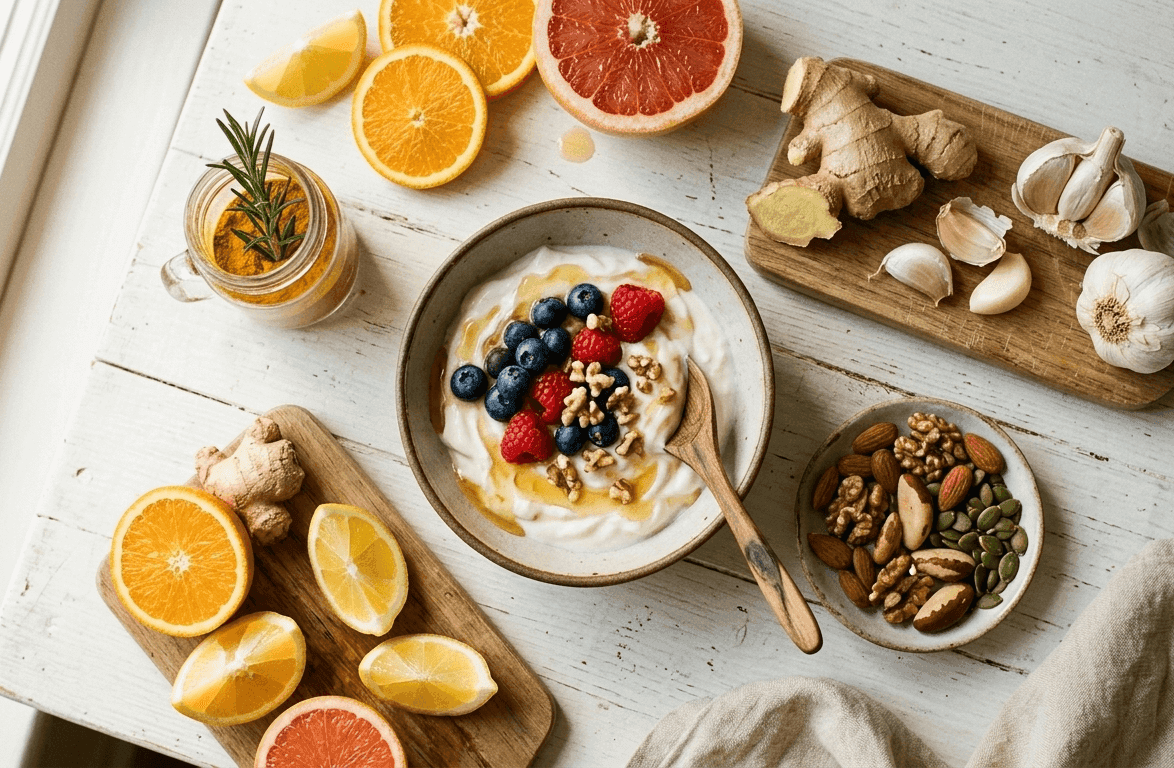
    A varied diet rich in fruit, vegetables, lean protein, and whole grains gives the immune system the raw materials it needs. Foods high in vitamins C and E, including citrus fruit, nuts, and seeds, are particularly supportive. Garlic is worth adding to meals regularly; it contains allicin and other compounds that have demonstrated immune-supporting effects. Ginger works against inflammation and can ease throat discomfort. Probiotic-rich foods like yoghurt and kefir help maintain gut health, as the gut plays a direct role in maintaining a strong immune system.

    Healthy diet for flu prevention and immune health

    Exercise

    Regular moderate movement, thirty minutes of walking or yoga every day, supports immune function over time. It is worth scaling back during active illness, though, as strenuous exercise when the body is already fighting infection can set recovery back rather than help it.

    Stress

    Prolonged stress causes the body to produce more cortisol, which suppresses immune activity over time. Practices like meditation and controlled breathing help manage this, and their effect on immune resilience is more direct than many people expect. 

    Supplements

    Vitamin D, zinc, and probiotics support immune health, though they work best as additions to an already solid diet rather than substitutes for one. A doctor can advise on appropriate dosages and flag any interactions with existing medications. Vitamin D deficiency has been linked to greater susceptibility to infections. Zinc taken early in an illness may reduce how long symptoms last. 

    Everyday Habits That Reduce Flu Spread

    Washing hands thoroughly with soap and water for at least 20 seconds is one of the simplest ways to reduce transmission risk. Hand sanitiser works when soap and water are not available. Keeping hands away from the face, especially the eyes, nose, and mouth, limits the virus's main entry points. When coughing or sneezing, use a tissue or the crook of your elbow rather than your hands.

    Indoor air quality also plays a role in flu prevention. Rooms with poor airflow allow viral particles to build up in the air. Opening windows or running an air purifier where possible lowers that concentration.

    Anyone with flu symptoms should stay home. If symptoms progress to include difficulty breathing, chest pain, confusion, or a fever that won't come down, medical attention is needed promptly.

    Vaccination Remains Your Best Defence

    Getting the annual flu shot remains the most effective way to reduce infection risk. For those who find clinic visits difficult, flu vaccination at home is now a convenient option, bringing the same protection to your doorstep. The recommended period is October through December, but receiving it later in the flu season in the UAE is still worthwhile. It is approved for use in anyone from six months of age upward, and a nasal spray version exists for those who prefer not to have an injection.

    The CDC estimates that when the vaccine is well-matched to circulating strains, it reduces the chance of getting flu by 40 to 60 per cent. Even in cases where the vaccine does not prevent infection entirely, it tends to significantly lower the severity of symptoms and reduce the likelihood of hospitalisation.

    Home Flu Care with First Response Healthcare

    Most mild flu cases resolve with rest and fluids over a week or so. For households with elderly members, young children, or anyone managing an underlying condition, that recovery period can be harder to navigate without clinical support. First Response Healthcare offers home healthcare in Dubai, including doctor and nursing visits and health monitoring and supportive wellness services such as immunity IV therapy that can help individuals maintain resilience during seasonal changes. This allows patients to recover in familiar surroundings rather than making repeated trips to a clinic. If symptoms feel difficult to manage at home, reaching out to a home healthcare provider early is a practical step.