
The world’s eyes are today on Mpox, earlier referred to as monkeypox. The deadly monkeypox virus causes this rare disease, generally in rodents like rats, and non-human primates like monkeys but does not also spare humans from its attack. Seeing an upsurge in cases, the World Health Organization (WHO)’s declaration of the Mpox outbreak as a PHEIC – Public Health Emergency Of International Concern under the International Health Regulations (IHR) 2005 establishes the gravity of the virus’ potential to spread rapidly beyond borders.
The onus of preventing and controlling such global health emergencies and outbreaks of this nature and magnitude remains in the hands of several stakeholders: It needs the integrated efforts and coordinated synergies of the governmental bodies, social organizations, communities, policymakers, medical fraternity, healthcare professionals, citizens across the world, and countries at large. Let’s find out all about the monkeypox disease — the Mpox virus, the transmission of the Mpox outbreak, Monkeypox signs and symptoms, as well as its prevention and treatment, in this First Response Healthcare’s detailed guide.. This blog will also help us understand how we can raise better awareness, preparedness, preventive action, and lesser panic in the wake of such a crisis, so that it can help us all navigate through these worrying times and save countless lives.
Curbing Mpox is the need of the hour as its global prevalence is growing by the day. What can you do to prevent yourself and the people around you from being affected by this virus? Mpox is a self-limited, relatively uncommon, rare, unusual, zoonotic viral disease, with no specific proven treatment, but lesion-like rashes and flu-like signs that last about 2 to 4 weeks.
#1 Did You Know?
The new strain clade Ib of the MPXV is primarily transmitted through sexual contact, which is the current concerning discovery. IHR Emergency Committee Chair Professor Dimie Ogoina said, “The current upsurge of Mpox in parts of Africa, along with the spread of a new sexually transmissible strain of the monkeypox virus, is an emergency, not only for Africa but for the entire globe. Mpox, originating in Africa, was neglected there, and later caused a global outbreak in 2022. It is time to act decisively to prevent history from repeating itself.”
Search
Can’t find what you’re looking for?Reach out to us
Health Tips
Understanding Mpox (Earlier Called As Monkeypox): Symptoms, Transmission and Prevention
January 22, 2025
January 22, 2025
Quick Threads
- What Is Mpox (Previously Referred To As Monkeypox)?
- Signs And Symptoms Of Monkeypox
- How Does Mpox Spread?
- Is There Any Treatment For Monkeypox?
- What Are The Potential Complications Of The Mpox Virus?
- Understanding Mpox: Conclusion
- Frequently Asked Questions(FAQs)
What Is Mpox (Previously Referred To As Monkeypox)?
Signs And Symptoms Of Monkeypox
The incubation period for Mpox illness (the period after exposure to the visibility of signs) is between 3 to 17 days. Incubation time in this disease can be characterized by no symptoms in the infected person. Symptoms can start to show within 21 days of exposure and last for usually a period of about two to four weeks. Generally, newborns, young children, pregnant women, and persons with low immunity are at a higher risk of developing severe symptoms.
The monkeypox disease was first observed in colonies of monkeys in 1958 that were kept for research purposes. In humans, it was detected only later in 1970 in the Democratic Republic of the Congo (DRC).
Monkeypox Symptoms at a glance -
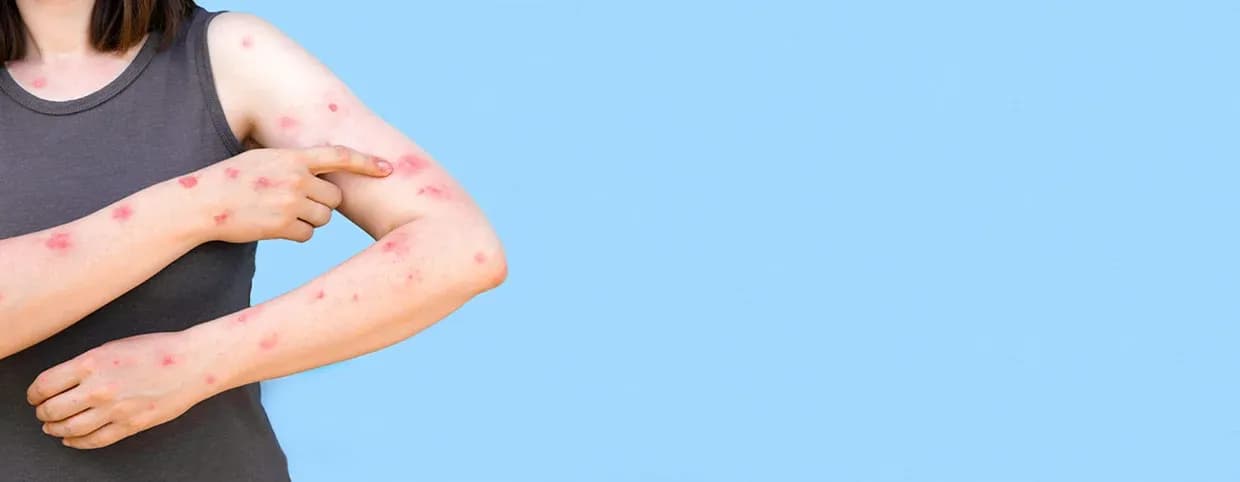
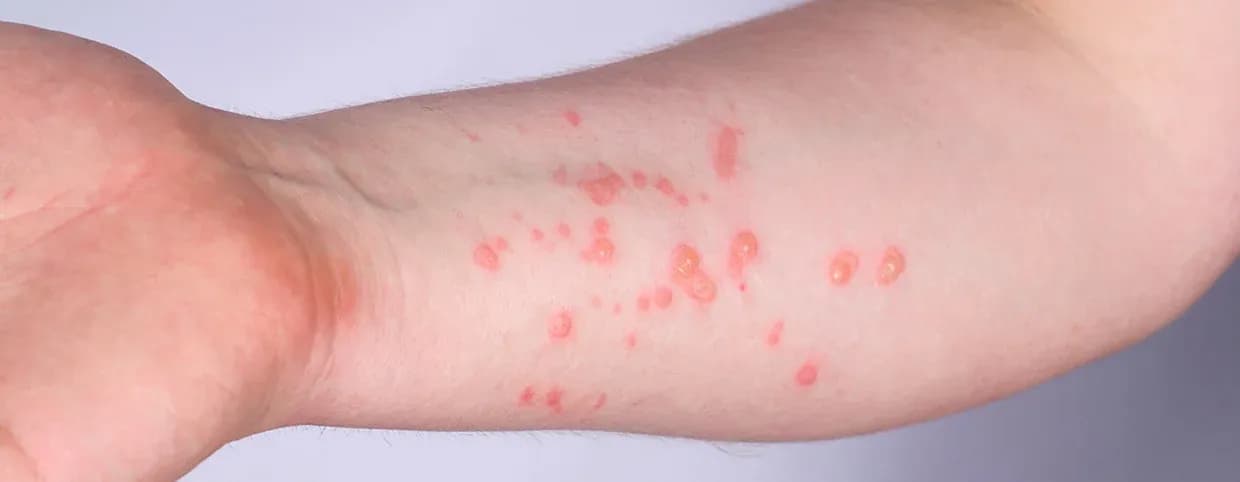
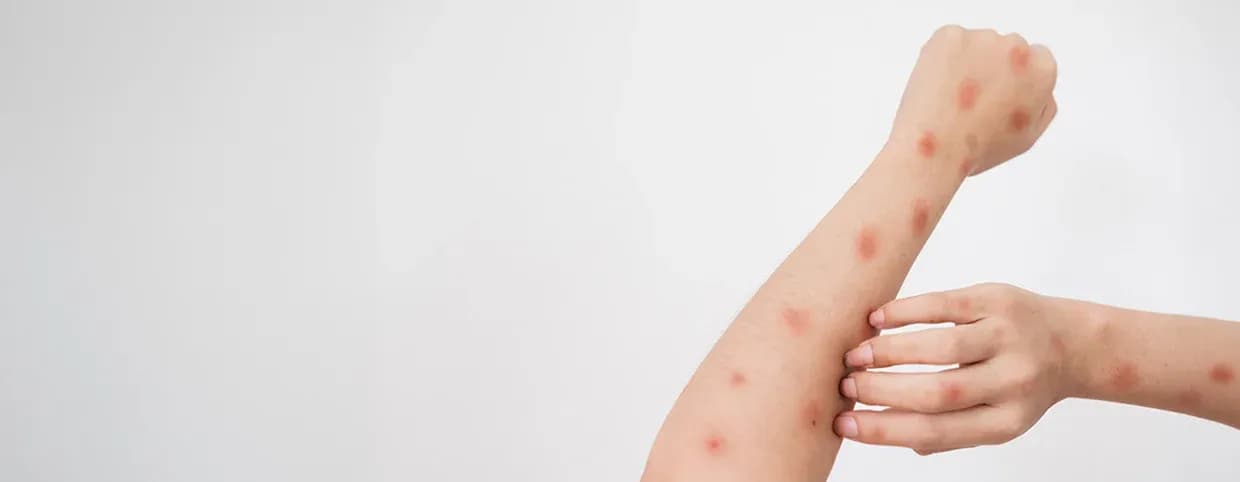
- Unexplained skin rashes especially after coming in contact with an infected person. Monkeypox rashes may appear about 1-4 days post the flu-like phase in patients. It can often develop first on the face, then on the chest, arms, back, hands, legs, and feet – initially looking like flat spots, pimples, and blisters, but spreading soon to other parts like genitals, buttocks, and anus. The rashes go through different stages, before changing to pus and scabs, then fall off
- Fever
- Chills
- Headache
- Muscle ache
- Backache
- Swollen lymph nodes
- Extreme fatigue
- Respiratory issues
- Ulcers or sores in the mouth
- Rectal pain
The monkeypox disease was first observed in colonies of monkeys in 1958 that were kept for research purposes. In humans, it was detected only later in 1970 in the Democratic Republic of the Congo (DRC).

Are you looking for a service?
Enquire Now
How Does Mpox Spread?
The Mpox virus can spread through direct contact with blood, lesions, respiratory secretions, and body fluids of an infected person, or by eating the meat of an infected animal that is not properly cooked. While health officials are closely monitoring and intensifying the study of the virus causing monkeypox, it can also usually be transmitted via close physical contact (including intimate contact) with an infected person. It can spread even from the pregnant mother to the fetus through the placenta or skin-to-skin contact during or after childbirth.
Is There Any Treatment For Monkeypox?
Flagged as a major health concern, Mpox disease usually goes away on its own without any treatment. Patients should seek professional medical help for any symptomatic supportive care needed.
What Are The Potential Complications Of The Mpox Virus?
Most people get well without any complications. Certain categories of people like children, pregnant women and breastfeeding mothers, and those who are immunocompromised or have any other ailments are more at risk of further health problems arising from complications of the Mpox virus. Severe complications of this virus include:
The World Health Organization renamed Monkeypox to Mpox in November 2022. This was done to bring down the risk of stigmatization and discrimination further to complaints over racist language linked to the old name. WHO published best practices for naming diseases which states that new disease names should be given to minimize the unnecessary negative impact of names on trade, travel, tourism or animal welfare, and avoid offending any cultural, social, national, regional, professional, or ethnic groups.
- Encephalitis (brain infection)
- Cornea infection leading to vision loss
- Sepsis (infection of the blood)
- Myocarditis (heart infection)
- Skin scars left after big sores that have healed
- Scarring of the eye
- Bronchopneumonia (lung infection)
- Death, in rare cases
The World Health Organization renamed Monkeypox to Mpox in November 2022. This was done to bring down the risk of stigmatization and discrimination further to complaints over racist language linked to the old name. WHO published best practices for naming diseases which states that new disease names should be given to minimize the unnecessary negative impact of names on trade, travel, tourism or animal welfare, and avoid offending any cultural, social, national, regional, professional, or ethnic groups.
Understanding Mpox: Conclusion
Various clades of Mpox. Several outbreaks. Different regions of the world. Many forms of transmissions.
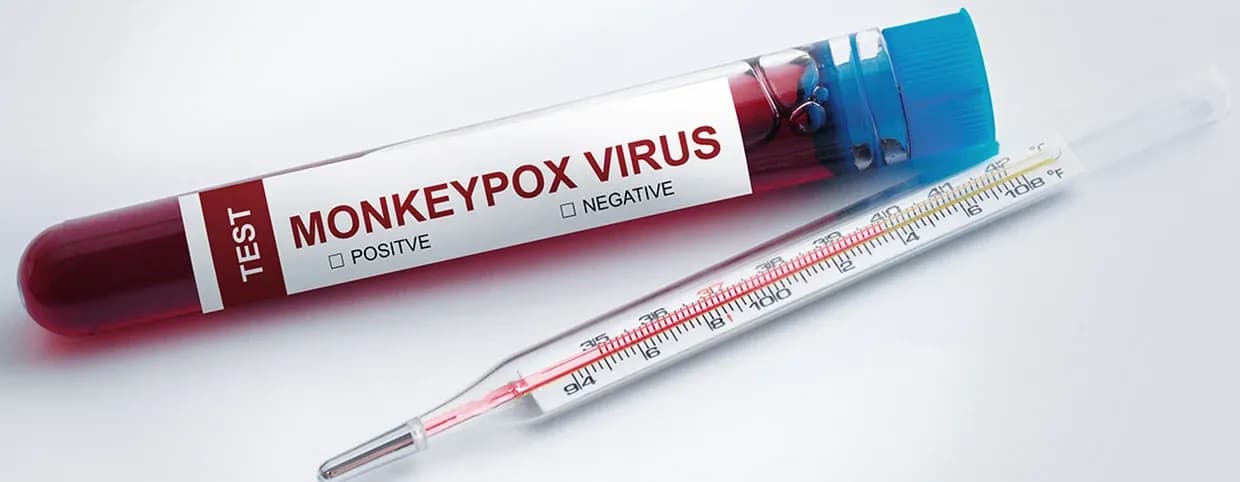
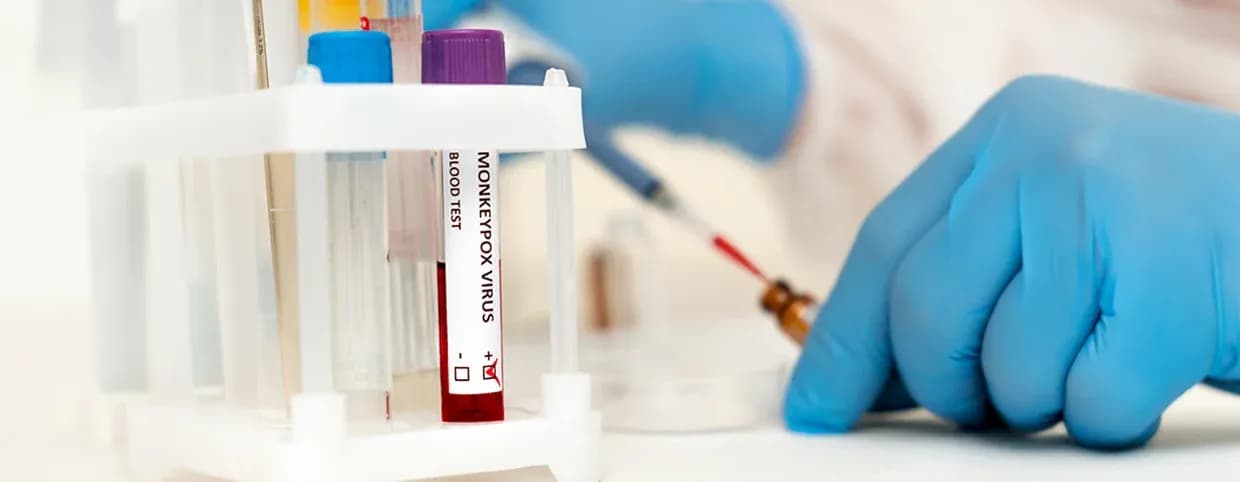
Mpox outbreak 2024 is an increasingly growing cause of global concern, with the potential to become a fully-blown medical emergency of international significance. The Mpox situation demands not just immediate attention and action, but also prompt health measures at the individual, community, country, and world level. Early diagnostic confirmation of the Mpox virus in the suspected person is crucial in effectively curbing its further spread to other persons. To determine the prevalence of Mpox infection, such laboratory tests can be done by PCR (Polymerase Chain Reaction) of skin or mucosal lesion material and in other cases with an oropharyngeal, anal, or rectal swab. Various other testing and diagnostic techniques can help detect monkeypox virus.
First Response Healthcare urges you to understand in detail and stay updated about the Mpox virus to prevent the transmission of Mpox before the disease further rampages through the other regions. This can play a crucial role in detecting the early signs and symptoms of Monkeypox, avoiding your chances of contracting the virus, and help get medical care and support in time. First Response Healthcare insists on spreading only the right information and verified updates about Mpox illness to curb the spread of any infodemic centered around Mpox.
First Response Healthcare provides fast and reliable doctor on call services in Dubai round the clock. Seek prompt medical help by booking an appointment with qualified and trained doctors who can visit you at your home, office or hotel, within just 30 minutes, for the utmost professional and comprehensive medical care and at-home healthcare services. First Response Healthcare is committed towards providing top-notch health support, right from diagnostics to prescribed medication – all this and more, at your doorstep.
Head to our First Response Healthcare blogs corner for such useful information and guides on health, wellness, nutrition, home healthcare services, and doctor on call consultation.
Frequently Asked Questions(FAQs)
Q. What can I do to avoid getting infected by the Mpox virus?
One can take the following precautionary measures to prevent the spread of the monkeypox virus:- Do not have any contact with animals that may have got infected / people who have recently developed rashes that look similar to the Mpox disease or anyone who visibly shows signs and symptoms of Monkeypox
- Regularly disinfect and sanitize places/areas/surfaces frequented by people infected / animals carrying the virus
- Avoid using and handling sheets, clothes, blankets, utensils and other objects previously used by infected people or animals
- Wash your hands thoroughly with soap / alcohol-based hand sanitizer at regular intervals and after any contact with an infected person/animal
- Keep healthy persons away from infected people/animals. Self-isolation is the ideal way to curb its rapid spread
- Wear masks if you are coughing or sneezing or have any lesions in the mouth area