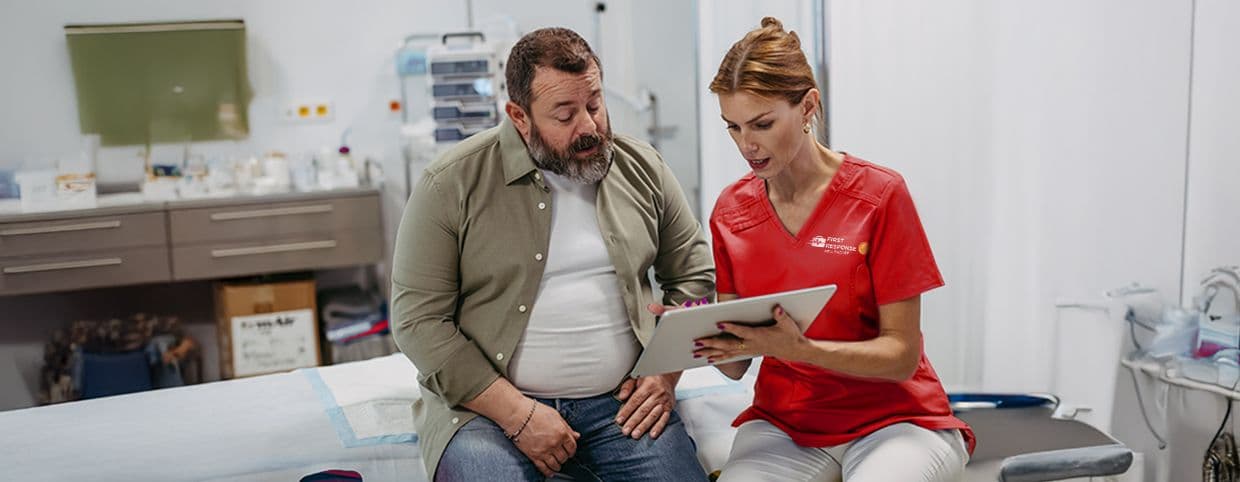

Cough is a common respiratory symptom that can be caused by many factors, such as infection, allergies, or even environmental irritants. In many cases, a cough is nothing to worry about and can be treated with home remedies or over-the-counter medications. However, there are situations where it is necessary to see a GP (general practitioner), especially if the cough persists or is accompanied by some worrying symptoms. This blog will help you understand when to see a doctor for a cough and the importance of seeking prompt medical attention.
Search
Can’t find what you’re looking for?Reach out to us

October 1, 2024
1 min read
Quick Threads
- Understanding The Different Types of Coughs
- What Factors Should Prompt You To See A Doctor For Cough?
- Why Is It Important To See A Doctor For Cough?
- Seeing A Doctor In Ras Al Khaimah | First Response Home Healthcare
Understanding The Different Types of Coughs
Before discussing when to see a doctor for a cough treatment, it is important to know that not all coughs are the same. Coughs can be classified into the following two types:
- Acute Cough: Acute cough usually lasts less than three weeks and is often caused by a viral infection, such as a cold or flu. Most acute coughs resolve on their own without medical intervention but if it persists you should see a GP to get a proper cough treatment.
- Chronic Cough: A chronic cough is a cough that lasts for more than 8 weeks. This type of cough can be a sign of an underlying medical problem and it is important to see a GP for a cough treatment and thorough evaluation.
What Factors Should Prompt You To See A Doctor For Cough?
- Cough Duration
A cough that lasts for more than three weeks may be a cause for concern and it’s a call to see a GP. While an acute cough, often caused by a viral infection, tends to resolve on its own within this time frame, a persistent cough can indicate an underlying problem. If you’re wondering when to see a doctor for a cough and your cough lasts more than three weeks, seeing a GP is important. Chronic cough can be linked to many different conditions, such as allergies, asthma, gastroesophageal reflux disease (GERD) or even more serious problems such as lung disease or cancer. Your GP can conduct a thorough assessment to determine the cause of your persistent cough and recommend appropriate treatment.
- Severity Of Cough
A severe cough that disrupts your daily life, sleep, or normal breathing should not be ignored. If you are experiencing this, it is important to see a GP immediately so that they can procure cough treatment. Severe coughing can lead to exhaustion and worsen underlying conditions. By quickly addressing the severity of your cough, your GP can assess your condition, prescribe appropriate medication and give advice on how to manage symptoms, thus it’s important to see a GP.
- Related Symptoms
When to see a doctor for a cough also depends on other symptoms that you have. High fever, chest pain, difficulty breathing, wheezing, and coughing up blood or discolored mucus are warning signs. These symptoms may indicate a more serious respiratory illness, such as pneumonia, bronchitis, or even lung cancer. Seeing a GP is important to rule out serious underlying problems, receive an accurate diagnosis and begin an appropriate cough treatment plan.
- Pre-existing Health Issues
People with pre-existing conditions like asthma or chronic obstructive pulmonary disease (COPD) are more susceptible to complications from breathing problems. When to see a doctor for a cough becomes crucial for these individuals. Seeing a GP can help these patients manage their cough effectively, adjust their cough treatment plan if necessary and ensure their pre-existing conditions are controlled.
- Exposure To Risk Factors
If you believe your cough is related to exposures, such as air pollution or occupational hazards, it is essential to seek medical attention. Your GP can assess your condition, give advice on how to minimize environmental risks and recommend appropriate cough treatments or lifestyle modifications to effectively control your cough, hence its vital to see a GP.
- Exposure To Infections
In the context of travel or recent contact with potentially infectious individuals, it is essential to remain vigilant. Respiratory infections can spread quickly. Seeing a GP at the right time for testing and quarantine measures instead of wondering when to see a doctor for a cough can help prevent the spread of the disease and ensure appropriate care.
Are you looking for a service?
Enquire Now
Why Is It Important To See A Doctor For Cough?
Seeing a doctor for a persistent or severe cough is important for several reasons:
Prompt medical care for a cough treatment is essential because it allows for early diagnosis. When a persistent cough is promptly evaluated by a general practitioner, it increases the likelihood of quickly identifying the underlying cause. This is especially important for conditions that may require specific treatment, such as respiratory infections, allergies, or lung disease. Early diagnosis often leads to more effective interventions, improving the chances of full recovery.
During a pandemic or even in everyday life, coughing can be a symptom of a contagious infection. See a GP and Seek prompt medical attention that can help prevent the spread of these illnesses to others in your community. In our communities, where a diverse population resides and interacts closely, taking responsible action, such as seeing your GP when you have symptoms of an infectious disease, is important for public health.
Prompt medical care is essential to control coughing and relieve discomfort. Seeing a GP often results in a prescription or cough treatment plan tailored to your specific condition. These treatments can help relieve symptoms, reduce the severity of your cough, and improve your overall health. Proper management can significantly improve your quality of life, allowing you to function more effectively.
Some cough-related conditions, if left untreated, can progress and lead to complications. For example, a persistent cough caused by a respiratory infection can progress to pneumonia, a more serious and potentially fatal illness. Seeking early medical attention will reduce the risk of such complications.
Chronic coughing that lasts for long periods of time can have long-term health consequences. It can lead to chronic lung disease, scarring of the airways, or even damage to other organs. Timely intervention can prevent or minimize these long-term effects. Early treatment and lifestyle adjustments recommended by your doctor can help protect your long-term health and prevent your cough from becoming a chronic and debilitating problem.
- Early Diagnosis
Prompt medical care for a cough treatment is essential because it allows for early diagnosis. When a persistent cough is promptly evaluated by a general practitioner, it increases the likelihood of quickly identifying the underlying cause. This is especially important for conditions that may require specific treatment, such as respiratory infections, allergies, or lung disease. Early diagnosis often leads to more effective interventions, improving the chances of full recovery.
- Prevents The Spread of Disease
During a pandemic or even in everyday life, coughing can be a symptom of a contagious infection. See a GP and Seek prompt medical attention that can help prevent the spread of these illnesses to others in your community. In our communities, where a diverse population resides and interacts closely, taking responsible action, such as seeing your GP when you have symptoms of an infectious disease, is important for public health.
- Helps Control & Relieve Symptoms
Prompt medical care is essential to control coughing and relieve discomfort. Seeing a GP often results in a prescription or cough treatment plan tailored to your specific condition. These treatments can help relieve symptoms, reduce the severity of your cough, and improve your overall health. Proper management can significantly improve your quality of life, allowing you to function more effectively.
- Helps Prevent Complications
Some cough-related conditions, if left untreated, can progress and lead to complications. For example, a persistent cough caused by a respiratory infection can progress to pneumonia, a more serious and potentially fatal illness. Seeking early medical attention will reduce the risk of such complications.
- Helps Prevent Long-Term Health Issues
Chronic coughing that lasts for long periods of time can have long-term health consequences. It can lead to chronic lung disease, scarring of the airways, or even damage to other organs. Timely intervention can prevent or minimize these long-term effects. Early treatment and lifestyle adjustments recommended by your doctor can help protect your long-term health and prevent your cough from becoming a chronic and debilitating problem.Seeing A Doctor In Ras Al Khaimah | First Response Home Healthcare
First Response Healthcare (FRH) is a premium home healthcare company in Ras Al Khaimah known for its professional and high-quality home healthcare services. Seeing a doctor in Ras Al Khaimah is simple. All you need to do is call us or book an appointment online. Through our doctor on call service, you can have a doctor visit you at your home, hotel or office within 30-45 minutes. FRH provides fast and reliable home care services to Ras Al Khaimah residents and tourists. Our doctors can diagnose and treat patients of all ages and can come for an appointment to any location in the Emirate of Ras Al Khaimah. Our team of doctors is licensed, internationally trained and highly experienced. They can provide diagnosis and treatment for a range of health issues, including cough treatment. Our physicians are accompanied with nurse practitioners who are also licensed and experienced in providing home medical care.
- How to make an appointment with us for seeing a doctor in Ras Al Khaimah? Call us or WhatsApp at 0505050387 or 800DIALDOC. You can also contact us via our website live chat or booking form or book an instant callback. Here is the link to our website: https://firstresponsehealthcare.com/ae/ras-al-khaimah
- When can you make an appointment for seeing a doctor in Ras Al Khaimah ? Our service is available 24/7, 365 days a year, including weekends and holidays.
- How long will it take for our doctor to reach you? We can contact you within 30 to 45 minutes of your call.
- Where can our doctor visit you? We can visit you anywhere in the Emirate of Ras Al Khaimah.
- Where can our doctor diagnose or treat you? We can come to your home, hotel or office for inspection, offering the convenience of seeing a doctor in Ras Al Khaimah.