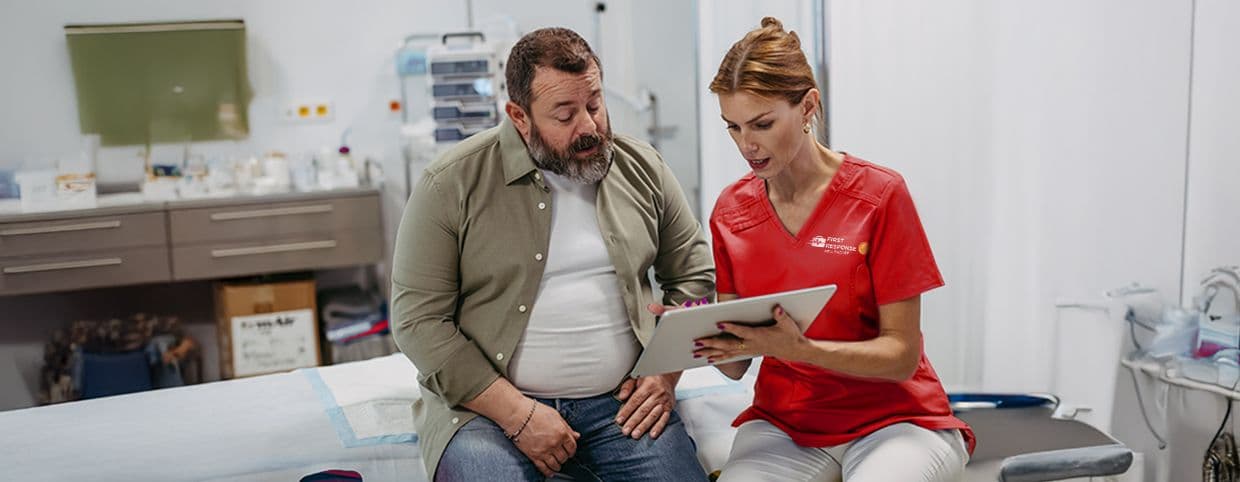

Falling sick in cold weather and with the start of winter is extremely common. As seasons change and the weather gets colder, people tend to fall sick and can end up feeling lethargic and sluggish. Moreover, during cold weather, even a simple sore throat can turn into a severe infection.
Search
Can’t find what you’re looking for?Reach out to us
Health Tips
10 Effective Tips to Prevent Cold Weather Diseases in Dubai

March 5, 2022
1 min read
March 5, 2022
1 min read
Quick Threads
- What Are Cold Weather Diseases?
- Call Doctor at Home in Dubai | First Response Healthcare
- Why Home Doctor Service at FRH Is the Best:
What Are Cold Weather Diseases?
Diseases caused by dip in temperatures and factors related to it can be summed up as cold weather diseases. Some of the common winter diseases are as follows:
Common Cold
You would probably be down with a common cold within one to three days of being exposed to the rhinovirus. You might have a runny nose, coughing, sneezing, congestion, and a sore throat. Along with this, you might also have a headache, body pain or a low-grade fever. There is no direct cure for common cold as such, but one can get better by taking decongestants and with proper rest. However, the common cold can be prevented by stopping or controlling the spread of the virus. Washing hands frequently, avoiding contact with people who are down with a cold, keeping common surfaces, countertops clean are all hygiene measures to help prevent the virus spreading and everyone in the family catching a cold. For comprehensive preventive measures, consult your home doctor.Pneumonia
Pneumonia is a serious disease that causes inflammation of the lungs and can cause dry cough, muscle aches, shortness of breath, and fatigue. Some other symptoms include high fever with chills and headache, diarrhoea, sweating and cough with green phlegm. Pneumonia is contagious, and thus to prevent the same, hygiene practices need to be followed, along with following the right diet, exercising, and resting well. For prevention, one could also take the PCV13 (Prevnar 13) and PPSV23 (Pneumovax) shots after consulting with the home doctor.Ear Infections
An ear infection is basically when fluid builds up in the ear causing severe ear pain, discomfort in the ear, hearing loss and sometimes fluid dripping from the ear. An ear infection occurs when bacteria like Streptococcus pneumoniae and Haemophilus influenzae cause fluid buildup and inflammation in the middle ear. If you are noticing these symptoms or experiencing severe pain, you should go see a doctor. Treatment at home using traditional remedies may not help. Ear infections can be prevented by keeping your ears clean, by making sure your ears are dry after a shower or after swimming.Norovirus
The norovirus is an illness that is very common in the winter, and it causes diarrhoea and vomiting. Other symptoms include nausea, stomach pain, fever, and chills. Since this illness spreads through contaminated food and surfaces, you can prevent getting this virus by following proper hand and oral hygiene and by eating food that is cooked well.Strep Throat
Caused because of a bacteria called Streptococcus, Strep Throat is an infection that occurs in the throat and tonsils and is most common among children. Symptoms include pain in the throat, fever, headache, nausea, swollen lymph nodes and vomiting. To prevent strep throat, one should stay hydrated and consume a lot of fluids, wash hands often, gargle when one experiences soreness in the throat and get a required amount of rest.Cough
Whooping cough usually occurs among infants and children and is caused due to a bacterial infection. Symptoms of the same include a runny nose, sneezing, fever, and watery eyes. If attention is not paid to this cough, it could lead to pneumonia. If you have a cough that has persisted for a long time, you should visit a doctor or call doctor at home. To make sure the cough doesn’t get worse, you should drink lots of fluids, rest well, stay warm and stay away from dust and smoke.Cold Sores
Cold sores basically refer to a group of blisters that one can get around the lips or mouth. These blisters are painful and tend to get worse during winters because of a weak immune system. To avoid the same, it is important to get good rest and avoid too much stress. If you have sores, you should make sure to keep your lips moisturized at all times and use a topical cream that can help it heal faster.Asthma
For several people, the symptoms of asthma worsen during the cold months because of the cold and dry air that enters the passageways. To make sure your asthma doesn’t get worse during winters, you should not spend too much time outdoors without warm, proper clothing that covers you well. More importantly, you should definitely reach out to a doctor if your symptoms get more severe. In case you are unable to step out, call doctor at home.Sinus Infections
If you already have a weak immune system or seasonal allergies or if you have issues with your sinuses, it is very probable that you will catch a sinus infection during the winter months. Symptoms of a sinus infection include a stuffy or runny nose, sore throat, a cough, headache, feeling pain or pressure in the face and post-nasal drip. Using a warm compress on your face or a decongestant or even breathing steam can help with the infection. You should most definitely call your home doctor if your symptoms continue for more than 10 days.Bronchitis
Bronchitis is inflammation of the lining of the tubes that carry air back and forth from your lungs. Symptoms of Bronchitis include too much coughing, fatigue, shortness of breath, chest discomfort and overproduction of mucus. You should consider seeing your home doctor if you also have a fever along with the other symptoms, lasting for more than 3 weeks. Air pollution and smoking can cause or make Bronchitis worse.Conjunctivitis
Conjunctivitis, also known as Pink Eye, is caused when your eye’s conjunctiva is irritated by allergies or infection. It is common to get conjunctivitis. The symptoms include red, swollen, or inflamed eyes with a sticky white discharge. Conjunctivitis is extremely contagious, and you should wash your hands frequently to avoid getting the same. If possible, call your doctor for treatment at home.Tips to Prevent Cold Weather Diseases in Dubai
Here are 10 tips to keep in mind to make sure you do not fall sick during winter:- Make Sure You Are Washing Your Hands Frequently : The spread of germs is one of the biggest reasons for why people frequently fall sick during winters. To avoid the same, you should wash your hands often and avoid touching countertops, dishware, and other household items without washing them. Your home doctor will advise the same to you.
- Include Vitamin C In Your Diet : To help your body fight the symptoms of cold, flu and other illnesses you should include Vitamin C in your diet through citrus fruits, peppers, broccoli, etc.
- Drink Herbal Teas : Drinking herbal teas will not just help you stay warm on cold days, but it will also help your body relax and will help you rest better.
- Take Vitamin D : Vitamin D is important to help strengthen your immune system. Thus, it is important that you either take Vitamin D supplements or consume foods that are high in vitamin D such as fish, eggs, mushrooms, etc. Sun exposure can also help up your vitamin D levels.
- Stay Hydrated : During winters, our water intake tends to decrease naturally because of the lack of heat. Make sure to drink enough water and keep yourself hydrated at all times.
- Get Good Rest : Winter Months are also the time for celebrations, parties, gatherings and other festivities and events. Make sure you are getting enough rest and the required amount of sleep every night.
- Avoid Sharing Food : A lot of the common winter diseases spread very easily and are contagious. In such a scenario, it is advisable to not share food, drinks and utensils with people who have a cold or flu.
- Sanitize Frequently : Always carry your sanitizer with you and use it frequently. Also always make sure you have wipes and tissues when you’re going outdoors to make sure you can sanitize and clean surfaces.
- Meditate : Holidays and Festivities during the winter months can also bring stress and anxiety which can then have negative effects on your health. Try and meditate frequently to lower your levels of anxiety and stress.
- Visit A Doctor if Necessary : Following all the above stated tips and measures can help you prevent getting sick during cold weather season. And in case you do fall sick, one should not hesitate to reach out to a doctor, because prolonging the doctor’s visit can make your condition worse or can lead to more members of your family falling sick. Otherwise, you can opt for doctor treatment at home services available in Dubai.
Call Doctor at Home in Dubai | First Response Healthcare
First Response Healthcare (FRH) is a JCI accredited home healthcare company in Dubai that provides prompt and reliable medical care to patients through services that are high quality and patient centric. FRH has received a gold seal of approval from the Joint Commission International Standards for Home Healthcare for meeting international quality standards for its services.
FRH provides a range of services including doctor at home in Dubai. We have a team of DHA licensed doctors, nurses, physiotherapists, and medical experts who are highly competent and experienced and who provide their services 24*7, 365 days a year. A doctor from our team can visit you anywhere in Dubai within 30 minutes after you book an appointment. Our doctors are internationally trained, and they work in shifts to provide services 24/7. They offer diagnosis and treatment for a wide range of conditions right from fever, cold, migraines and allergic reactions to respiratory conditions, chronic diseases, gastrointestinal illnesses, skin problems among several others.
FRH provides their services anywhere within the Emirate of Dubai, may it be your home, office or hotel. The staff at FRH has been trained to provide kind and compassionate care to people of all age-groups.

Are you looking for a service?
Enquire Now
Why Home Doctor Service at FRH Is the Best:
- Flexible Appointments: We adapt to your schedule, and you can book an appointment with us 24*7, even on weekends and public holidays.
- Quick Services: We can reach your home, hotel, or office within 30* minutes after you book an appointment.
- Locations Covered : Entire Emirate of Dubai.
- Place of Your Convenience : Our team can offer services at your home, hotel, or office.
- One-on-One Attention : We prioritize your needs and expectations and take the time to understand your requirements before we design a customized plan for you.
- Communicated Recovery Process : We make sure to keep you updated with Regular Progress Reports.
First Response Healthcare Offers:
- Premium Service : Our clients and patients get personal attention and a premium experience for treatment and follow-ups.
- Diagnostics : We also provide the service of laboratory tests, and our teams work effectively to make sure you get the test results in the shortest time.
- Referrals to Specialist : Our home doctor will assess if there is a requirement to do a specialist referral or referral to an inpatient facility.
- Diagnosis for All Age Groups : We treat patients of all age groups right from children to elderly.
- Pediatric/Child Care : We also provide consultations, treatment, and diagnosis for children through pediatricians and specialists.
- Pharmacy Delivery : We make sure to deliver medicines at the earliest using our access to our 24-hour pharmacy partner services.
- Physiotherapy Referral : If required, our doctor will also refer you to our Physiotherapist to help with sports injuries or any other requirements.
- Chronic Diseases: We also offer treatment, diagnosis, and management of chronic diseases, including pain management.