

Breast Cancer
Breast cancer is a type of cancer that affects the breast tissue. The breast cells grow out of control and become cancerous. These cancerous cells can mutate and multiply further to form tumors. When the cancer doesn't spread to other areas, it's referred to as 'in situ'. When the cancer spreads to other areas outside the breast, it's termed as 'invasive'.
May 12, 2026
Verified By Dr. Ahmad Jamee
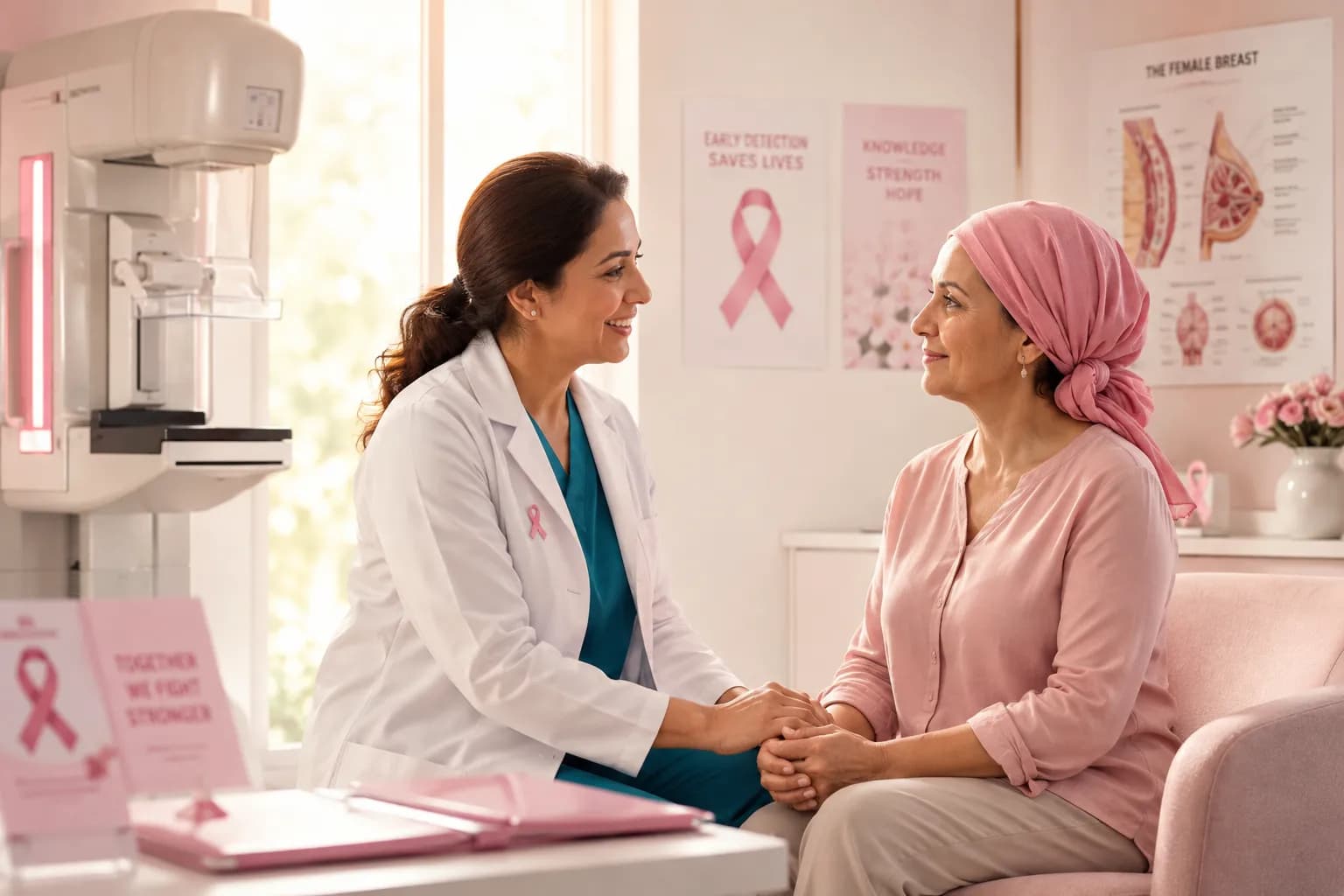
Table Of Contents
Myth vs Fact
Breast cancer occurs only in women
Breast cancer can happen to anyone with breast tissue.
While it can affect young women as well, it is more common in older women and people assigned female at birth (more than 50 years of age). However, in some rare cases, men can also be diagnosed with breast cancer. Breast cancer is a common kind of cancer and can be categorized into different types for effective treatment planning, based on the breast cells which start to mutate. Some common breast cancer types include -
- Invasive ductal carcinoma
- Ductal carcinoma in situ
- Invasive lobular carcinoma
- Lobular carcinoma in situ
- Paget's disease of the breast
- Triple-negative breast cancer
- Inflammatory breast cancer
- Angiosarcoma
- Recurrent breast cancer
Causes Of Breast Cancer
1) Old age
2) Gender: Women and individuals assigned female at birth are more likely to develop breast cancer in comparison to men and people assigned male at birth
3) History of Breast Cancer running in the family
4) Changes in genetic material
5) Unhealthy habits such as regularly smoking and drinking alcohol
6) Dietary and lifestyle factors
7) Obesity
8) Hormone Replacement Therapy
9) Radiation Therapy
10) Environmental Parameters
11) Personal history of breast cancer in one breast increases the chances of getting it in the other breast
12) Getting periods early, before 12 years of age
13) Getting menopause late, after 55 years of age
14) Having your first child later than usual
Symptoms Of Breast Cancer
- A lump-like thickened mass, looking or feeling different from the other adjacent areas on the breast
- Any changes in the breast's size, shape, color and appearance
- Flattened nipple (inward nipple)
- Breast skin that's peeling off or scaling or crusting
- Any discharge from nipple apart from breast milk
- Any discomfort or pain in the breast
Breast Cancer: Prevention
There's no fool-proof way to prevent the occurrence of breast cancer, however, regular testing can help reduce your chances of getting breast cancer. You can further lower your risk by -
1) Maintaining a healthy weight
2) Eating right
3) Exercising regularly
4) Leading an active life with ample rest, reduced stress and good sleep
5) Avoiding smoking and drinking
6) Getting tested for breast cancer (including genetic screening)
7) Taking preventive medication and undergoing preventive surgery if and when advised by the doctor
Importance of mammogram in breast cancer screening
Mammograms are an excellent screening tool for early detection of breast cancer, even before the patient starts to develop any symptoms. They scan for any abnormal changes in the breast. The doctors generally tend to use mammography in 2 ways essentially, to help with the diagnosis of breast cancer. Firstly, screening mammogram i.e. a preventive way to find out any early abnormalities in the breast tissue; secondly, diagnostic mammogram i.e. on the development of any new symptoms in patients such as nipple discharge, pain or lumps etc.
Mammograms play a vital role in saving lives owing to their remarkable contributions in catching breast cancer at an early stage, right when there are alarming signs with the breast skin before it even converts to cancer. Your doctor can also use mammogram results to identify if there’s a need to go for breast biopsy or additional tests. Mammogram helps examine unusual changes in the breast tissue while a breast biopsy is meant to tell if the tissue changes are cancerous or not. A mammogram is usually advisable for individuals assigned female at birth, starting at 40 years of age, every one or two years. Depending on your specific risk factors, you may need to get a mammography done even before attaining 40 years or more often than others. A low radiation dose X-ray machine specifically engineered for your breast is used in the procedure. No suspicious areas in the report means you have had a normal mammogram. Some amount of pain, discomfort and pressure is expected during the screening procedure, however it is short-lived and the revolutionary outcomes of a mammogram in the prevention of breast cancer, outweigh the uncomfortable experience during the testing, for the benefit of the patient’s health.
Breast Cancer: Diagnosis
- Understanding symptoms
- Self-examination
- Discussing with doctor about signs, medical history and family history
- Clinical breast exam
- Imaging tests like mammogram, MRI or breast ultrasound
- Removal of sample tissue for biopsy
- Further screening like genetic tests
Breast Cancer: Treatment
Surgery is one of the most important steps in treating breast cancer. Mastectomy, Lumpectomy, Breast reconstruction are some commonly performed breast cancer surgeries during the course of the treatment. Other support treatments include chemotherapy, radiation therapy, hormone therapy, immunotherapy and targeted therapy. Your doctor can also combine any of the above therapies with the surgery and deliver the treatment before or after the surgery to support your condition after assessing several factors like your age, stage of breast cancer, how quickly is the breast cancer progressing etc.
The patient can even be recommended to palliative care specialists who can support during the treatment by helping the patient and the family members feel better while fighting a serious medical emergency like breast cancer. This can further enhance the patient's quality of life and boost their morale to give the medical battle their all.
Becoming a part of local breast cancer care groups can give you access to necessary information, resources and support services from the community. From having a platform to share your thoughts to providing assistance to cancer-fighting families, and finding inspiration from the stories of fellow breast cancer survivors, such common groups can go a long way in helping breast cancer patients.
Disclaimer:
This page is for informational purposes only and not a replacement to any direct medical consultation provided by professionals. Should you have any questions about your health, reach out to qualified healthcare providers and medical experts for personalized advice and further guidance.
 24/7 Uninterrupted At-Home Care
Your health is our priority
Setting the gold standard by redefining the home healthcare experience