
Diarrhoea
Diarrhoea is one of the most common reasons people seek medical help. Most cases clear up within a day or two and need no treatment beyond rest and fluids. In young children and older adults, though, it can turn serious faster than most people expect. This article covers what diarrhoea is, why it happens, and what to do about it.
July 9, 2026
Verified By Dr. Alina Saeed

Table Of Contents
What is Diarrhoea?
Diarrhoea means passing loose or watery stools three or more times a day, or more frequently than what is normal for you. It affects people of all ages and is one of the most reported digestive complaints worldwide.
Doctors describe three types based on duration.
Acute diarrhoea is the most common and usually resolves within one to two days without any treatment.
Persistent diarrhoea runs from two to four weeks.
Chronic diarrhoea lasts beyond four weeks and is often a sign of an underlying condition that needs to be looked into.
Symptoms
Loose or watery stools
Diarrhoea symptoms include loose or watery stools, which are the defining sign. The stool has little to no solid form. This happens because the intestines are moving contents through too quickly, leaving no time for water to be absorbed properly. This will cause a strong urge to use the toilet. Usually, the frequency of using the toilet would be more than 3 times per day. In children, the symptoms can be a little bit different. The stools can be more watery, and young children and infants might not be able to signal the urge in time, leading to accidents. In infants, the stools are naturally soft, but a noticeable change in frequency or smell can point towards diarrhoea.
Other Symptoms
Abdominal cramps, a sudden urge to pass stool, and nausea commonly occur alongside watery stools. When these are the only symptoms, and they last just a few days, medical attention is usually not needed.
Infection-related diarrhoea can bring on additional symptoms. Blood or mucus in the stool, fever, chills, vomiting, and dizziness are signs that something more than a routine stomach infection may be happening.
Fluid loss is the main physical risk. Dehydration sets in when the body loses more water and salts than it is taking in. In adults, watch for dry mouth, dark-coloured urine, passing much less urine than usual, dizziness, and fatigue that does not improve with rest. In babies and young children, sunken eyes, a sunken soft spot on the head, no tears when crying, and going several hours without a wet nappy are warning signs that need urgent attention.
Causes of Diarrhoea
Acute Diarrhoea
A gut infection is behind most short-term causes of diarrhoea. In adults, norovirus is the most frequent culprit. In children, rotavirus tends to be responsible. Bacteria such as Salmonella, E. coli, and Campylobacter, picked up through contaminated food or water, also cause a significant number of cases.
Medications are another common trigger. Antibiotics are prescribed to fight bacterial infections, but they also reduce the number of beneficial bacteria living in the gut. That disruption can result in loose stools. Antacids containing magnesium and some cancer treatments have a similar effect.
Traveler's diarrhoea is a specific type that affects people visiting countries with limited food and water sanitation. The gut, unaccustomed to local bacteria, reacts with loose stools, often within the first few days of travel.
Persistent and Chronic Diarrhoea
When diarrhoea runs beyond two weeks, the causes differ from the short-term varieties. Food intolerances are frequently involved. With lactose intolerance, the body struggles to digest the sugar found in dairy, leading to loose stools after consumption. Fructose and sucrose intolerances follow the same pattern. Fructose is found in honey and fruits and in some sweeteners. Sucrose is the table sugar or white sugar that we commonly use.
Long-term digestive conditions are another major cause. Crohn's disease, ulcerative colitis, celiac disease, and irritable bowel syndrome (IBS) all commonly produce diarrhoea as a symptom.
Surgery on the abdomen, particularly involving the gallbladder, intestines, liver, or pancreas, can also leave a person with ongoing loose stools while the digestive system adjusts.
Diagnosis and Tests
A mild case does not need tests. When diarrhoea is severe, lasts longer than expected, or comes with other symptoms, a doctor will want to understand what is causing it. They will ask about stool frequency and appearance, diet, current medications, recent travel, and whether anyone nearby has been unwell. A family history of conditions like celiac disease, Crohn's disease, or IBS is also worth mentioning.
A physical examination covers signs of fever and dehydration, the condition of the abdomen, and any recent weight loss.
Where tests are ordered, a stool sample looks for bacteria, parasites, or blood. Blood tests can confirm dehydration or point to an underlying disease. A hydrogen breath test identifies intolerances to lactose, fructose, or sucrose, based on the fact that undigested sugars cause elevated hydrogen in the breath.
In complex or persistent cases, a colonoscopy, flexible sigmoidoscopy, or upper gastrointestinal endoscopy gives a direct view of the digestive tract.
Treatment
Treatment for diarrhoea depends on what is causing it and how severe it is. Most cases in adults clear up on their own within a few days with rest and proper hydration. The priority in any case is replacing the fluids and salts the body loses through loose stools. Mild cases can be managed at home, while infections, chronic conditions, or severe dehydration may need medical attention. Children and older adults need closer monitoring as they lose fluids faster. The sections below cover home care, diet, and when medication or a doctor visit becomes necessary.
At Home
Hydration is the most important part of diarrhoea treatment. Diarrhoea depletes the body of water and electrolytes, both of which need to be replaced. Water, clear broths, and oral rehydration solutions (ORS) are the best options. ORS is formulated to restore the right balance of glucose and salts. They are sold at most pharmacies and can also be made at home.
Over-the-counter medications such as loperamide and bismuth subsalicylate reduce how often stools are passed and can help adults feel better sooner. They are not suitable for infants, young children, or anyone with bloody stools or fever. If symptoms do not improve after two days of use, a doctor should be seen.
What to Eat
The gut is sensitive during a bout of diarrhoea and does better with plain, low-fiber foods. White rice, bananas, plain toast, boiled potatoes, and lean proteins like chicken or fish are well tolerated.
Caffeinated drinks, alcohol, dairy, and gas-producing foods like beans or cabbage should be avoided until the condition settles.
Zinc Supplementation
The World Health Organization (WHO) reports that zinc supplements cut the length of a diarrhoea episode by around 25% and reduce stool volume by roughly 30%. This is particularly relevant for diarrhoea in children in areas where nutritional deficiency is a concern.
Probiotics
Probiotics are live microorganisms that are similar to the beneficial bacteria naturally present in the gut. Some doctors suggest trying probiotics to help restore the balance of gut bacteria lost during a bout of diarrhoea, particularly when antibiotics are the cause. They are available as supplements and in certain fermented foods. However, it is important to speak to a doctor before starting any probiotic supplement.
Medical Treatment
Bacterial or parasitic infections may require antibiotics or antiparasitic medications prescribed by a doctor. Chronic conditions such as Crohn's disease, ulcerative colitis, or IBS are managed by treating the underlying condition. Diarrhoea from food intolerances is controlled by removing the trigger food from the diet. Severe dehydration may require intravenous (IV) fluid replacement in a hospital.
In Children
Diarrhoea in children causes fluid loss faster than in adults. Infants should continue breast milk or formula as normal. Older children can be given oral rehydration solutions and light foods once they are ready to eat. Adult diarrhoea medications are not safe for young children. Always speak to a pediatrician before giving a child any new medication.
Complications
Dehydration is the most serious risk. When fluid loss outpaces what the body can take in, organs begin to struggle. Severe, untreated dehydration in children can progress to organ damage, shock, or coma. This is uncommon in healthy adults but is a real danger for infants, older adults, and people with weakened immune systems.
Malabsorption can develop with chronic diarrhoea. When the intestines cannot absorb enough nutrients from food over a prolonged period, weight loss and malnutrition can follow.
When to See a Doctor
Mild diarrhoea in an otherwise healthy adult can be managed at home. See a doctor if diarrhoea lasts more than two days in adults or more than one day in a child. Medical attention is also needed for high fever, blood or pus in the stool, severe abdominal pain, repeated vomiting, confusion or unusual drowsiness, and any signs of dehydration.
For babies under 12 months, premature infants, or children with existing health conditions, do not wait. Call a doctor at the first sign of diarrhoea. Young children can dehydrate within hours.
Doctor at Home Services
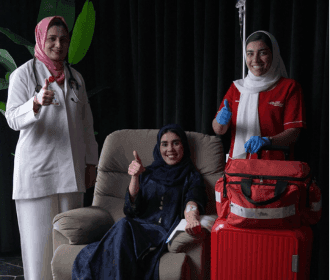
Getting to a clinic when unwell is not always possible. First Response Healthcare (FRH) brings qualified doctors to homes across the UAE, Qatar and Riyadh. An FRH doctor can assess diarrhoea symptoms, check for dehydration, prescribe medication, administer fluids where needed, and advise on whether hospital care is required. This is particularly useful for young children, elderly patients, and anyone too unwell to travel.
Recovery and Follow-up
Acute diarrhoea usually resolves within a few days with rest and adequate fluids. A normal diet can be resumed gradually as symptoms ease.
For people whose diarrhoea is linked to IBS, celiac disease, or a food intolerance, follow-up with a doctor matters. A food and symptom diary can help identify what triggers the condition and reduce future episodes.
Children who had significant dehydration should be reviewed by a pediatrician after recovery to confirm that fluid and nutrition levels have returned to normal.
Prevention
Washing hands with soap and water for at least 20 seconds after using the bathroom, handling raw food, changing nappies, and caring for someone unwell significantly reduces the spread of infections that cause diarrhoea. When soap and water are not available, a hand sanitizer with at least 60% alcohol is an acceptable substitute.
Food and water safety also matter. Store food at the correct temperature, cook it thoroughly, and discard anything past its expiry date. When traveling to areas with poor sanitation, use bottled water for drinking, food preparation, making ice, and brushing teeth. Eat only fully cooked meat, fish, and shellfish served hot. Peel or thoroughly wash raw fruits and vegetables before eating.
The rotavirus vaccine protects young children against one of the most common causes of diarrhoea in infancy. It is given in two or three doses and should be completed before the child is eight months old.
FAQs
Is diarrhoea contagious?
When caused by a viral or bacterial infection, yes. It spreads through contaminated food and water and between people when hand hygiene is poor.
Can antibiotics cause diarrhoea?
Yes. Antibiotics reduce the number of good bacteria in the gut. This is why it is always important to take advice from your doctor before starting any antibiotics.
Can vaccination prevent diarrhoea?
Vaccination can protect against some of the most common causes of diarrhoea. The rotavirus vaccine is recommended for infants and is given in two or three doses, ideally completed before the child reaches eight months of age. Vaccines for other infections, such as typhoid and cholera are also available.
Does food intolerance cause diarrhoea?
Yes. When the body has difficulty digesting certain foods, it can result in loose stools. Lactose intolerance, fructose intolerance, sucrose intolerance, and celiac disease are some examples. Food allergies to items such as eggs, soy, and seafood can also trigger diarrhoea.
 24/7 Uninterrupted At-Home Care
Your health is our priority
Setting the gold standard by redefining the home healthcare experience