

Food Poisoning
Food poisoning can range from a short-lived stomach upset to a more serious illness that needs medical care. While many people recover at home with rest and fluids, some cases can lead to dehydration and complications. This guide explains the symptoms to watch for, how to recover safely, and when to seek professional care.
July 6, 2026
Verified By Dr. Amna Javed
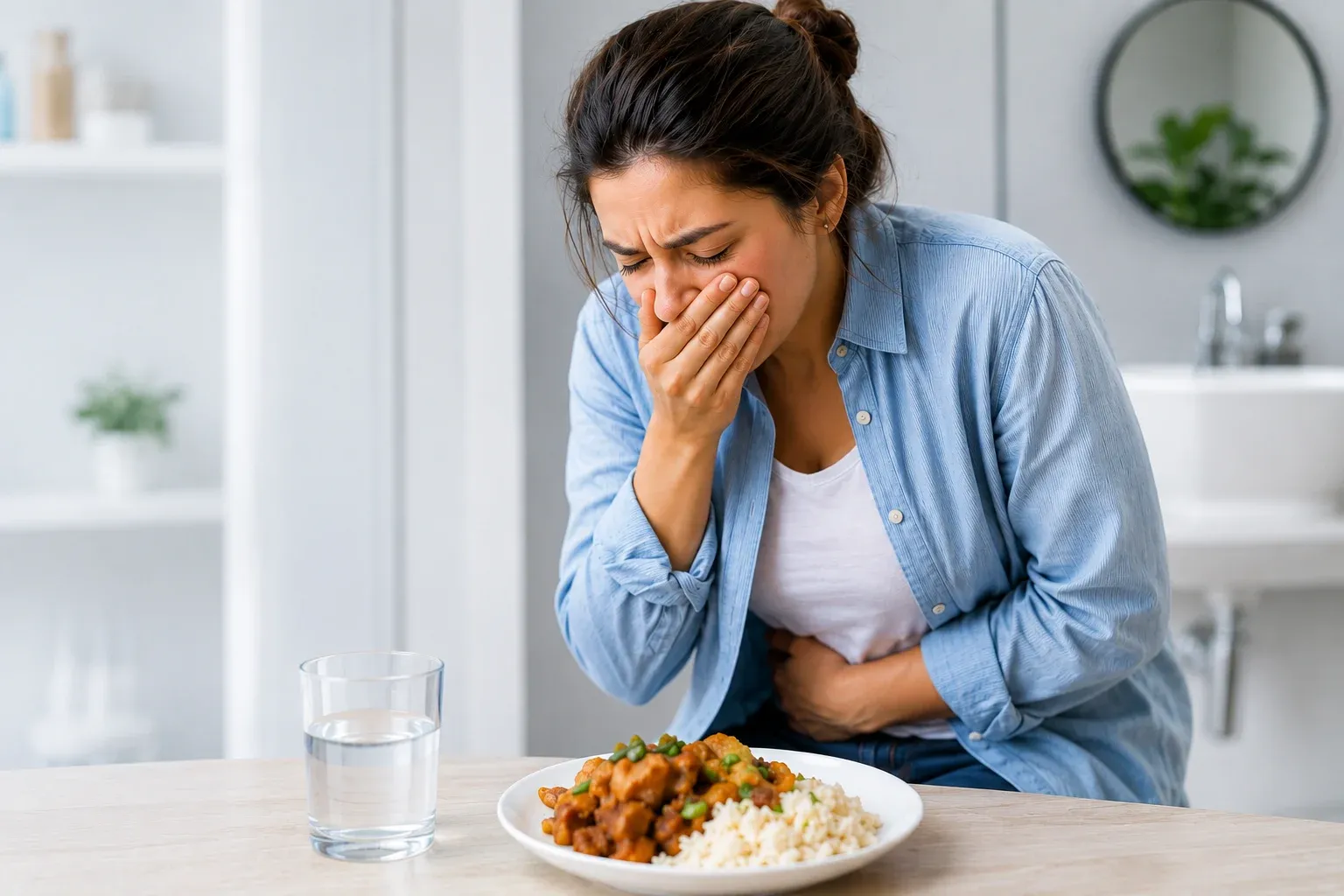
Table Of Contents
What is Food Poisoning?
Food poisoning happens when contaminated food or drinks make you sick. It’s usually caused by harmful bacteria, viruses, parasites, or toxins that get into what you eat or drink.
Symptoms often start suddenly and may include nausea, vomiting, diarrhea, stomach cramps, or fever. Most people recover within a few days without needing medical treatment.
But food poisoning isn’t always mild. In some cases, it can become serious, especially for young children, older adults, pregnant women, and people with weakened immune systems.
Food Poisoning Causes and Symptoms
Food poisoning can be caused by different bacteria, viruses, parasites, and toxins, each with its own symptoms and usual sources
| Cause | Type | Symptoms Start | Common Food Sources | Key Symptoms |
| Staphylococcus aureus | Bacteria | 30 minutes to 8 hours | Salads, sandwiches, pastries, foods handled after cooking | Sudden nausea, vomiting, stomach cramps, diarrhea |
| Escherichia coli (E. coli) | Bacteria | 1 to 10 days | Undercooked beef, raw milk, sprouts, leafy greens | Severe cramps, diarrhea (may be bloody), vomiting |
| Campylobacter | Bacteria | 2 to 5 days | Raw or undercooked poultry, unpasteurized milk, contaminated water | Diarrhea (sometimes bloody), fever, stomach cramps, vomiting |
| Salmonella | Bacteria | 6 hours to 6 days | Raw poultry, eggs, meat, raw milk, produce | Diarrhea, fever, stomach cramps, vomiting |
| Bacillus cereus | Bacteria | 30 minutes to 16 hours | Leftover rice, sauces, soups, meats left at room temperature | Nausea, vomiting, diarrhea, stomach cramps |
| Clostridium botulinum (Botulism) | Bacteria | 18 to 36 hours | Improperly canned or fermented foods; honey (infants) | Muscle weakness, blurred vision, drooping eyelids, difficulty swallowing, slurred speech |
| Clostridium perfringens | Bacteria | 6 to 24 hours | Beef, poultry, gravies, foods left at unsafe temperatures | Diarrhea, stomach cramps |
| Listeria | Bacteria | Hours to weeks | Soft cheeses, deli meats, smoked seafood, raw milk | Fever, diarrhea, muscle aches; severe infections possible |
| Vibrio | Bacteria | 12 to 48 hours | Raw or undercooked shellfish, especially oysters | Watery diarrhea, nausea, vomiting, abdominal pain, fever |
| Norovirus | Virus | 12 to 48 hours | Contaminated food, shellfish, foods handled by infected people | Vomiting, watery diarrhea, nausea, stomach pain |
| Hepatitis A | Virus | 2 to 7 weeks | Contaminated food or water, shellfish, infected food handlers | Fatigue, nausea, abdominal pain, jaundice, diarrhea |
| Cyclospora | Parasite | About 1 week | Raw fruits, vegetables, herbs | Watery diarrhea, bloating, nausea, fatigue |
| Shellfish poisoning | Toxin | 30 minutes to 24 hours | Toxin-contaminated shellfish | Vomiting, diarrhea, tingling, weakness, neurological symptoms |
While less common, food poisoning can also be caused by infections such as Shigella, Giardia, Cryptosporidium, Rotavirus, and Toxoplasma gondii, as well as toxins found in contaminated seafood.
Risk Factors
Food poisoning can happen to anyone. But some people tend to get much sicker than others.
- Young children are one example, especially those under 5. Their immune systems are still developing, so infections can affect them more easily.
- Older adults can also have a tougher time recovering because the immune system does not work as strongly with age.
- Pregnancy is another time to be extra careful. Some foodborne infections can be more serious and may also affect the baby.
- People living with conditions like diabetes, cancer, kidney disease, HIV/AIDS, or autoimmune disorders may also have a harder time fighting off infection.
- If someone is taking medicines that weaken the immune system, like steroids or immunosuppressants.
- Travel can sometimes be a factor, too. Food or water in a different country may expose you to germs your body is not familiar with and can cause ‘Traveller’s Diarrhea’.
If you fall into one of these groups, it makes sense to be more careful with food and pay attention if symptoms start getting worse instead of better.
Diagnosis
Most food poisoning cases do not need special tests. If symptoms are mild, the diagnosis is often based on what you are experiencing.
If you are very unwell, not getting better, or at higher risk of complications, your doctor may need to investigate further.
They will usually start with questions. What symptoms do you have? When did they start? What did you eat recently? Did anyone else who ate the same food get sick, too? Recent travel and any medicines you take can matter as well.
Your doctor may also examine you to check for dehydration, stomach tenderness, or other signs that something more serious is going on.
Sometimes, a stool sample helps identify the exact germ causing the illness. Blood tests may also be needed if dehydration or complications are a concern.
If the illness seems more serious, extra tests may be needed. In some cases, doctors may even look inside the lower bowel with a sigmoidoscopy.
Treatment
Most food poisoning cases get better on their own within a few days. The main thing is helping your body recover while keeping dehydration from becoming a problem.
Vomiting and diarrhea can make you lose a lot of fluids quickly. That is why drinking enough is so important. Water helps, but if drinking feels difficult, taking small sips or sucking on ice chips may feel easier. Some people also tolerate clear broths, sports drinks, or diluted fruit juice better.
Some people need extra support with rehydration. This includes young children, older adults, and people with weaker immune systems. Oral rehydration solutions (ORS) can help replace both fluids and lost minerals. If dehydration becomes severe, hospital treatment with IV fluids may be needed.
Medicine is not always part of treatment. In some situations, a doctor may suggest something to help with symptoms. Anti-diarrheal medicines may be used in some adults, but they should not be given to children under 12 unless a doctor says so.
Antibiotics are not automatically used for food poisoning. In fact, they can sometimes make certain infections worse. But if testing shows a specific bacterial or parasitic infection, your doctor may prescribe the right treatment.
Some doctors may also suggest probiotics, especially if diarrhea is dragging on, to help restore healthy gut bacteria.
What Foods Should I Eat or Avoid While Recovering?
When recovering from food poisoning, the primary focus should be on staying hydrated, but you can generally return to your normal diet as soon as your appetite comes back, even if you are still experiencing diarrhea. In fact, experts do not recommend fasting or strictly following a restricted diet.
Foods to Eat
Bland, low-fat foods. As you ease back into eating, try sampling foods like crackers, noodles, bananas, rice, boiled vegetables, soup, or oats to see if your stomach can tolerate them.
Saltine crackers. These are especially helpful for replacing electrolytes you may have lost.
Infant and child diets. Infants should continue to receive breast milk or formula as usual. Children should be given what they normally eat as soon as their appetite returns.
Foods and Drinks to Avoid
Certain foods and beverages can irritate your digestive tract and make symptoms like diarrhea worse. It is best to steer clear of:
Dairy products. Milk and other dairy items contain lactose, which can be difficult to digest for up to a month after getting food poisoning. While yogurt might be fine for some, other dairy is best avoided.
High-fat and spicy foods. Avoid heavy, greasy meals like fried foods, fast food, pizza, and anything spicy.
Sugary drinks. Sweetened beverages, fruit juices, and fizzy drinks contain high amounts of simple sugars that can worsen diarrhea.
Caffeine. Avoid drinks like coffee, tea, and caffeinated soft drinks.
Complications
Most people recover from food poisoning without any lasting problems. But in some cases, especially in people who are more vulnerable, complications can happen.
Dehydration is the most common problem. Vomiting and diarrhea can make the body lose water and important minerals very quickly. If that loss becomes severe, it can become dangerous.
Some infections can affect the kidneys. One serious complication is hemolytic uremic syndrome (HUS), where damaged red blood cells block the kidneys’ filtering system and can lead to kidney failure. This is most often linked to certain E. coli infections and is seen more often in children under 5.
Food poisoning during pregnancy can be more serious, too. Certain infections, especially Listeria, can increase the risk of miscarriage, stillbirth, premature birth, or serious infection in a newborn baby.
In rare cases, the nervous system can be affected and lead to meningitis, which is inflammation around the brain and spinal cord, or trigger Guillain-Barré syndrome, a rare condition where the immune system attacks the nerves, causing weakness, numbness, or even paralysis.
Toxins from conditions like botulism or some types of shellfish poisoning can also affect the muscles used for breathing.
Sometimes the infection does not stay in the gut. Harmful bacteria can enter the bloodstream and spread through the body. This can lead to sepsis, which is a dangerous medical emergency.
When to See a Doctor
Most cases of food poisoning get better on their own, but sometimes medical care is needed.
It’s a good idea to speak to a doctor if diarrhea has been going on for more than 3 days in adults or more than 1 to 2 days in children. The same applies if vomiting is so frequent that you cannot keep fluids down.
Some symptoms should not be ignored. This includes blood or pus in the stool, black stools, vomiting blood, green vomit, or severe stomach pain.
Watch for signs of dehydration, too. Feeling extremely thirsty, having a very dry mouth, passing very little urine, noticing dark urine, or feeling dizzy can all be warning signs. In babies and young children, look out for no tears when crying, sunken eyes, or fewer wet diapers than usual.
Some symptoms need urgent medical attention. These include a high fever, confusion, unusual sleepiness, slurred speech, blurred vision, muscle weakness, numbness, trouble breathing, or a sudden severe headache.
Some people should be extra cautious, even if symptoms seem mild. This includes pregnant women, young children, older adults, and people with weakened immunity or long-term health conditions.
You should also get medical help if you think the food poisoning may be linked to wild mushrooms, seafood, botulism, or recent international travel.
Recovery and Follow-up
While you are recovering, the main thing is to rest and keep drinking fluids. Vomiting and diarrhea can leave you drained, so your body needs time to recover.
Once you feel ready to eat again, you can slowly go back to your usual meals. Mild diarrhea may sometimes stick around a little longer.
It is also easy to pass the infection to other people, so try to stay home while you are unwell.
If symptoms are not improving, getting worse, or you need medical support while recovering at home, doctor-at-home services can help. First Response Healthcare can provide expert medical care, hydration support, and follow-up assessment in the comfort of your home.
Prevention
Food poisoning can often be prevented with a few simple precautions:
- Wash your hands well with soap and water before preparing food, after handling raw meat, after using the bathroom, changing diapers, or touching animals.
- Clean kitchen surfaces, utensils, and cutting boards properly after use, and rinse fruits and vegetables under running water.
- Keep raw meat, poultry, seafood, and eggs away from ready-to-eat foods to avoid cross-contamination.
- Cook food thoroughly to safe temperatures, and reheat leftovers properly before eating.
- Refrigerate or freeze perishable foods and leftovers within 2 hours. If the weather is very hot (above 90°F / 32°C), do this within 1 hour.
- If possible, avoid making food for others until at least two days after your symptoms have completely gone away.
- If food smells spoiled, looks unsafe, or you are unsure how long it has been left out, it is safer to throw it away.
- When traveling, be careful with drinking water, ice, street food, and raw or undercooked foods.
- Young children, older adults, pregnant women, and people with weakened immune systems should be extra careful with high-risk foods like raw eggs, undercooked meat, unpasteurized dairy, and certain ready-to-eat meats.
FAQ
How long does food poisoning usually last?
Most cases improve within 1 to 3 days, though some infections may last longer.
Can food poisoning go away on its own?
Yes. Many mild cases get better with rest, fluids, and time.
Is food poisoning contagious?
It can be. Some infections that cause food poisoning can spread from person to person, especially through poor hand hygiene.
How do I know if food poisoning is serious?
Signs like dehydration, bloody diarrhea, severe stomach pain, high fever, or confusion need medical care.