Search
Can’t find what you’re looking for?Reach out to us

Health and Wellness
Sexually Transmitted Infections: Symptoms and the Importance of Testing

August 5, 2025
August 5, 2025
Quick Threads
- Understanding Sexually Transmitted Infections
- What Causes STI Infections?
- Different Types of STIs
- Symptoms of Sexually Transmitted Infections
- The Importance of STI Testing
- Testing Options Available at First Response Healthcare Center
- Preventive Measures and Healthy Practices
- Conclusion
- Frequently Asked Questions (FAQs)
Understanding Sexually Transmitted Infections

What Causes STI Infections?
STIs are caused by various pathogens, including bacteria, viruses, and parasites. The most common ways STIs spread include:
Unprotected Sexual Activity
- Engaging in sexual activity without protection is the leading cause of transmission for many sexually transmitted infections (STIs).
- The absence of protective barriers like condoms increases the risk of exposure to harmful pathogens.
Sharing Needles or Equipment
- Using shared or unsterilized needles and medical equipment can indirectly transfer infections, including bloodborne viruses like HIV and hepatitis.
- Contaminated objects become a medium for transmitting infectious agents between individuals.
Close Physical Contact
- Some STIs can be transmitted through direct skin-to-skin contact during intimate activities.
- Even without penetration, infections like herpes and HPV can spread via physical touch with infected areas.

Are you looking for a service?
Enquire Now
Different Types of STIs
Overview of Common STIs
Several types of STIs are prevalent worldwide, each with unique symptoms and health implications. Some of the most common include:- Chlamydia: A bacterial infection often asymptomatic in its early stages.
- Gonorrhea: Known for its potential to affect the reproductive organs.
- Syphilis: A multi-stage infection that can become severe if untreated.
- Herpes: A viral infection characterized by painful sores.
- HPV (Human Papillomavirus): Linked to certain cancers, including cervical cancer.
Types of STIs
Sexually transmitted infections (STIs) are classified into three main categories based on their causes:- Bacterial STIs: These include infections like Chlamydia and Gonorrhea, which are treatable with antibiotics.
- Viral STIs: Examples such as Herpes and HPV are caused by viruses and often require long-term management.
- Parasitic STIs: Trichomoniasis is a common parasitic infection that can be treated with medication.
Symptoms of Sexually Transmitted Infections
Signs of Transmitted Disease
STI symptoms can vary widely and often depend on the specific infection. Common signs of sexually transmitted disease include::- Unusual discharge from the genitals
- Pain during urination
- Itching or irritation in the genital area
- Sores or blisters around the genitals or mouth
STD Symptom Variations
While some STIs have clear, noticeable symptoms, others may remain asymptomatic for years. For example, HPV often shows no symptoms but can still lead to complications like cervical cancer.Importance of Early Detection
Recognizing the signs of transmitted disease early can prevent severe health outcomes. Regular health checkups and STI testing are essential, even in the absence of symptoms.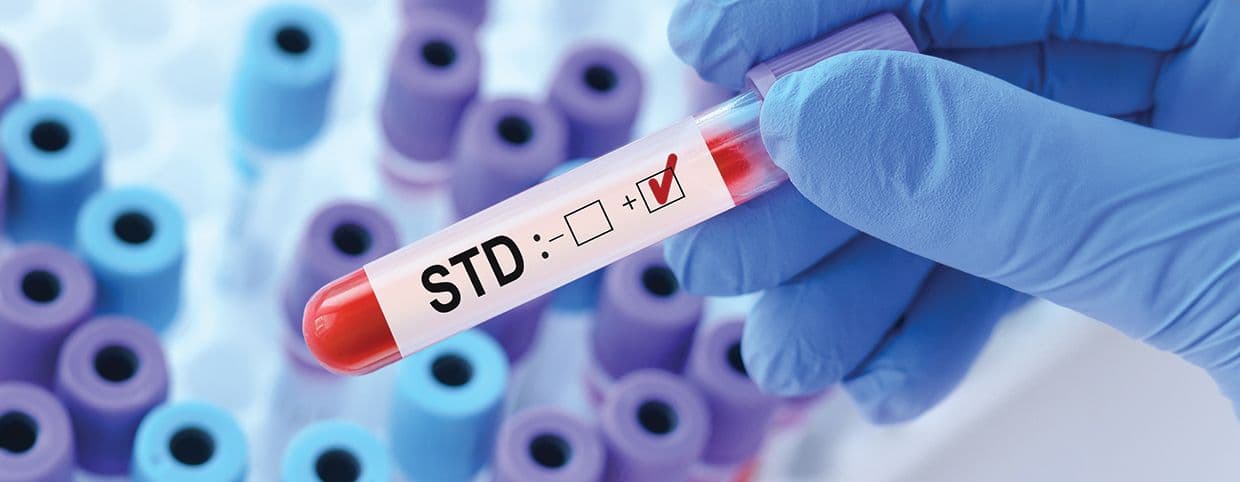
The Importance of STI Testing
Why Regular Testing is Crucial?
STI testing plays a critical role in maintaining sexual health. It not only ensures early detection but also helps prevent the spread of infections to others. Early intervention can make treatment simpler and more effective.Breaking the Stigma Associated with STI Testing
One of the biggest barriers to STI testing is societal stigma. However, normalizing discussions about sexual health can encourage individuals to prioritize their well-being.Qatar-Specific Context
In Qatar, cultural norms often influence conversations about sexual health. While these discussions might still be sensitive, initiatives by healthcare providers like First Response Healthcare Center aim to create safe spaces for individuals to seek care and testing without judgment.Testing Options Available at First Response Healthcare Center
Testing Services Offered
At First Response Healthcare Center, we provide comprehensive STI testing services tailored to the needs of individuals in Qatar. These include:- Confidential consultations
- Accurate diagnostic tests
- Customized care plans
How to Access These Services?
Accessing our services is simple and discreet. You can book an appointment through our website or contact our customer service team.Confidentiality and Comfort
We understand the sensitive nature of STI testing. That’s why we prioritize confidentiality and ensure a comfortable, non-judgmental environment for all our patients.
Preventive Measures and Healthy Practices
Preventing STIs
Prevention is the cornerstone of sexual health. Here are some best practices to minimize the risk of contracting STIs:- Practice safe behaviors.
- Educate yourself and your partner about sexual health.
- Limit exposure to high-risk situations.
Promoting Regular Health Checkups
Incorporating STI testing into your routine health assessments ensures that every potential issue is identified and addressed early. At First Response Healthcare Center, we advocate for regular health checkups as part of a proactive approach to health.References and Citations:
World Health OrganizationConclusion
Sexually transmitted infections are a significant aspect of sexual health. Understanding the symptoms, the importance of testing, and adopting preventive measures can help individuals lead healthier lives.
If you’re in Qatar, take the first step toward better sexual health by opting for confidential and comprehensive Qatar-STI testing services with First Response Healthcare Center. Prioritize your health today.
Breaking the stigma surrounding STIs and fostering open conversations are essential for building a supportive community. By normalizing testing and education, we can ensure a healthier future for all.