Can’t find what you’re looking for?Reach out to us

    Health and Wellness

    Common Summer Health Risks You Shouldn’t Ignore

    summer health risks should avoid

    June 23, 2026

    Summer in Dubai means beach trips, pool days, long drives, and constantly moving between brutal outdoor heat and freezing air-conditioned rooms. Most people don't notice the strain this puts on the body until something goes wrong. The heat does its damage quietly. A headache after being outside, dizziness in the early afternoon, and stomach pain after eating out may not seem serious, but sometimes they are early warning signs. 

    Here are some common summer health risks that deserve more attention.

    Heat Exhaustion and Heat Stroke

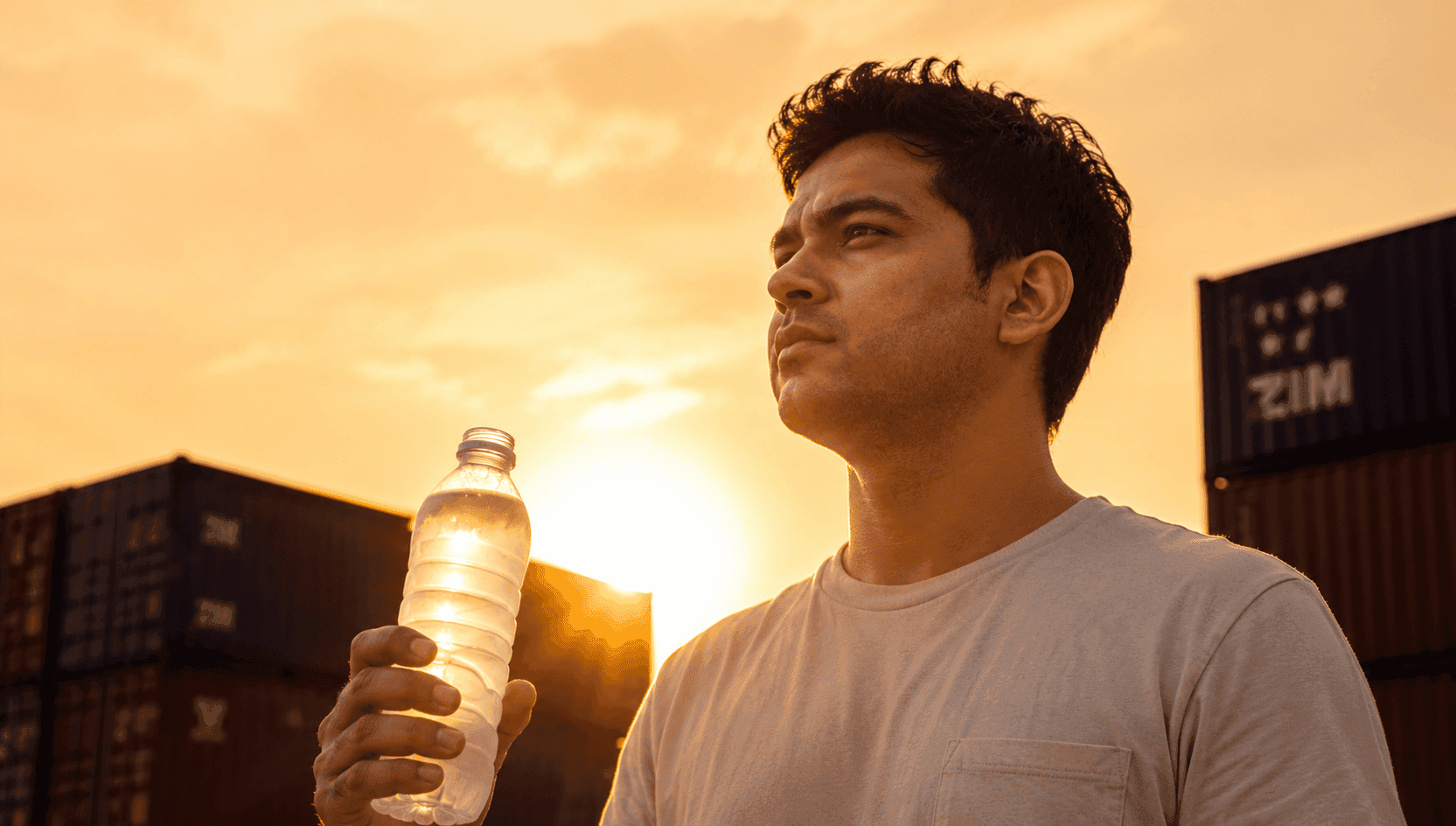
    Heat exhaustion is a dangerous condition that occurs when your body overheats due to high temperatures and dehydration. If the body keeps heating up, it can turn into heat stroke, which is a medical emergency.

    Someone with heat exhaustion may sweat heavily and feel weak, dizzy, or sick. Some people get headaches or painful leg cramps after being outside for too long or working in the sun. You might feel this after standing in a crowded outdoor queue, sitting in a car that has been baking in the sun, playing sports in the summer heat or spending even a short time outside during the afternoon. 

    Heat stroke is much more serious. The skin gets hot and dry, with no sweating at all. The person may get confused or pass out. At that point, call for medical help right away. Do not wait to see if it passes on its own. Older adults, young children, athletes, and outdoor workers are more likely to be affected. If you have diabetes or a heart condition, heat puts extra pressure on your body during summer, and elderly care at home can help seniors stay safe during extreme temperatures.

    One of the best ways to stay safe is to drink water regularly throughout the day instead of waiting until you feel thirsty. Wear loose cotton clothes and stay inside during the afternoon hours. If you need to go outside, take breaks in the shade whenever possible.

    heat stroke

    Dehydration and Electrolyte Imbalance

    Many people think dehydration just means feeling thirsty. It is more than that. When you sweat a lot, your body also loses minerals like sodium, potassium, and chloride. These minerals help your muscles, nerves, and heart work properly. You may notice a dry mouth, dark urine, tiredness, or dizziness. Some people feel unusually weak after a day outside in the heat. Others may develop painful muscle cramps or a pounding headache.

    Aim for approximately 3 to 4 liters of fluids daily, depending on your activity level and heat exposure. Water helps, but during extreme heat, your body also needs electrolytes. Drinks like ORS, coconut water, and electrolyte-rich drinks can help replace what you lose through sweat. Fruits with high water content, like watermelon and oranges, are also useful during summer.

    Too much coffee, sugary soda, or energy drinks can make dehydration worse, especially during very hot days.

    Food Poisoning and Summer Stomach Infections

    Food spoils faster in hot weather. During summer, bacteria like Salmonella and E. coli grow quickly in food that is left outside too long. This often happens with buffet meals, roadside snacks, packed lunches, or food deliveries delayed in traffic. A creamy dessert sitting out during a family gathering may look fine but still contains harmful bacteria.

    Doctors call the temperature range between 5°C and 60°C the “Danger Zone” because bacteria grow very fast in this range. In hot weather, bacteria can double every 20 minutes. Food poisoning can hit suddenly. A person may feel completely normal during lunch and start vomiting in the evening. Diarrhea, stomach cramps, nausea, and fever are common symptoms.

    Simple habits help lower the risk. Wash your hands before eating. Choose freshly cooked meals when possible. Keep food covered. If cooked food has been sitting outside in extreme heat for over an hour, it is safer to throw it away.

    food poisoning and stomach infections

    Sunburn and Skin Damage

    A sunburn is not just “getting a little red.” It is actual damage caused by ultraviolet (UV) rays from the sun. People often get sunburned without noticing it at first. A bike ride, cricket game, or afternoon at the beach can leave skin red, painful, and sensitive by the evening. In severe cases, the skin may blister or peel. Repeated sun exposure can also make skin age faster over time. It increases the risk of skin cancer, too.

    Sunscreen helps, but many people do not use enough of it or forget to reapply it. If you are sweating or swimming, sunscreen needs to be applied every two hours again. Use SPF 50 or higher. Sunglasses, hats, and lightweight full-sleeve clothing also help protect the skin from direct sunlight. Trying to stay in the shade during peak afternoon heat can make a big difference.

    Summer Infections and Allergies

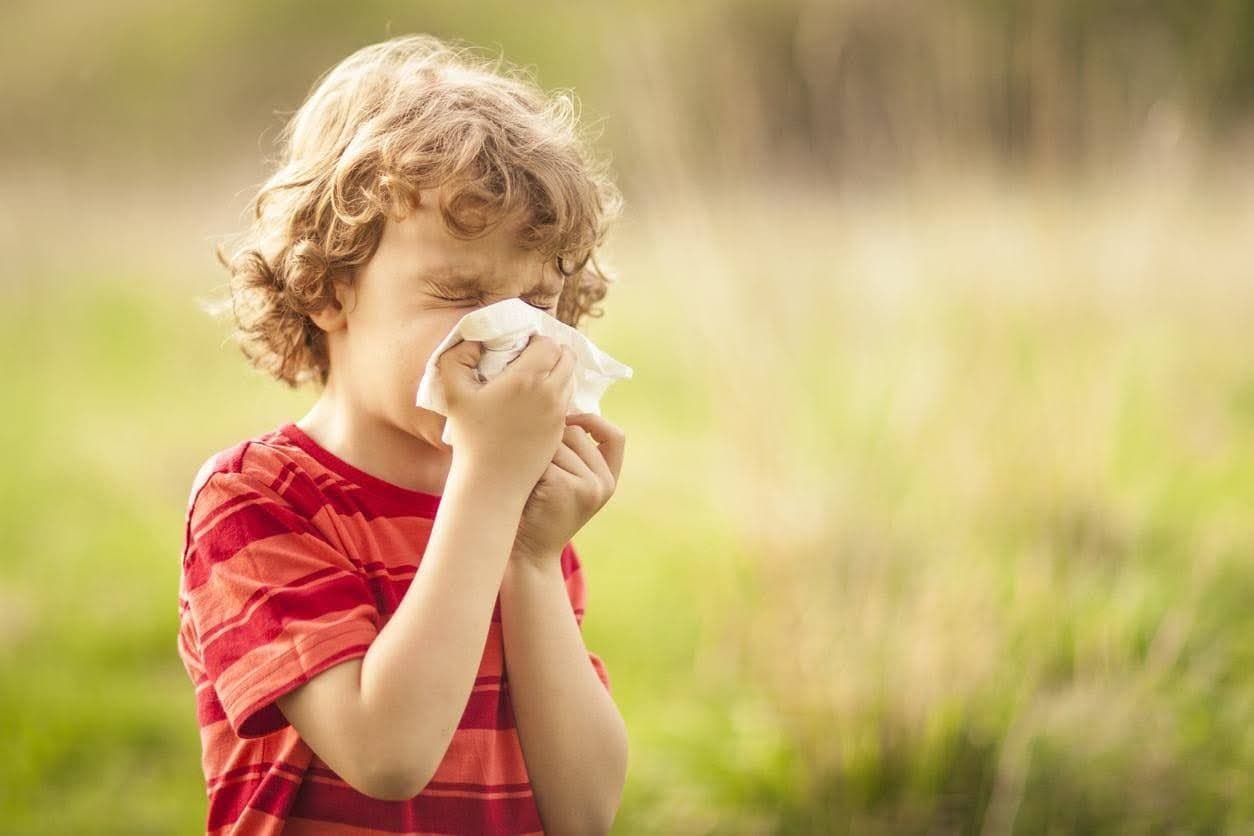
    Hot and humid weather creates the perfect environment for allergies and infections. Sweat, dust, pollen, and humidity can irritate the skin, eyes, and nose.

    Some people start sneezing more during summer mornings. Others develop itchy rashes after sweating for long hours. Eye irritation is also common during dusty weather, especially for people who spend time outdoors. Fungal infections are another common summer problem. Tight shoes, sweaty socks, and damp clothes can trap moisture against the skin. This may lead to itching, redness, and irritation. For persistent symptoms or worsening skin infections, doctor at home services can help patients receive timely medical care without traveling in extreme heat.

    Simple changes can help prevent many of these problems. Wear breathable clothes, wash your hands often, and change out of sweaty clothes quickly. Sunglasses may also protect the eyes from dust and irritation during hot, windy days.

    summer infections and allergies

    Mosquito-Borne Diseases and Insect Bites

    Summer heat brings more mosquitoes and insects out, and with them, a higher chance of bites and stings. Mosquitoes can carry malaria, dengue fever, and chikungunya. Bee stings, tick bites, and ant bites also become more common during warmer months.

    Most bites cause itching, redness, and some swelling that goes away on its own. But if a mosquito is carrying a disease, the symptoms could be serious, such as high fever, chills, joint pain, nausea, and a skin rash.

    Apart from mosquitoes, other insect bites can also be serious and can cause a severe allergic reaction, including severe swelling, breathing difficulty, or dizziness, requiring emergency medical services.

    To protect yourself, use insect repellents with DEET or picaridin. Scented lotions and perfumes attract insects, so it is worth skipping them if you are spending time outdoors. Mosquitoes breed in still water, so empty any container sitting outside that has collected water. They are most active at dusk and into the evening, so cover your arms and legs during those hours. In areas where mosquitoes are a serious risk, use mosquito nets.


    Stay Safe This Summer With First Response Healthcare (FRH)

    If you or a family member develops symptoms such as severe dehydration, persistent fever, dizziness, vomiting, heat exhaustion, or worsening weakness during summer, getting timely medical attention is important. Home healthcare services can make this much easier, especially during extreme heat when traveling outdoors may feel exhausting or unsafe.

    At First Response Healthcare (FRH), experienced healthcare professionals provide medical support in the comfort of your home across Dubai. From doctor consultations and IV therapy to general medical care and health monitoring, home healthcare services can help patients receive timely care without the stress of visiting a clinic or hospital during peak summer temperatures.