Search
Can’t find what you’re looking for?Reach out to us
Home Remedies
How to Increase Hemoglobin Level at Home?
June 24, 2025
June 24, 2025
Quick Threads
- Introduction of Hemoglobin
- Understanding Hemoglobin and Its Role
- Common Causes of Low Hemoglobin Levels
- Symptoms of Low Hemoglobin and Low Red Blood Cell Count
- Distinguishing Low Hemoglobin from Other Medical Conditions
- Natural Ways to Increase Hemoglobin and Red Blood Cells
Introduction of Hemoglobin
The primary role of hemoglobin is oxygen transport in the whole body. It is a protein-based constituent present within red blood cells. This molecule can capture oxygen molecules in the lungs and transport them to parts of the body that need oxygen to survive.
Low hemoglobin levels – in other words, Anemia – can be dangerous, bringing fatigue, weakness, and a host of other health problems. While treating anemia does indeed require medical measures in its more severe forms, a good percentage of people will be able to raise their levels of hemoglobin using natural means.
In this blog, we will examine home remedies as well as changes in lifestyles that can enhance the bodily production of hemoglobin and promote general adaptive health. We’ll talk about how a healthy diet could help, what particular vitamins are helpful, and if working out consistently affects hemoglobin levels.
By integrating these ideas of nature into daily life, you will be enhancing the ability of your body to carry oxygen thus enabling an increase in energy levels and overall health.
Understanding Hemoglobin and Its Role
Hemoglobin is an iron-containing protein responsible for the transportation of oxygen in the human body and is mainly located in the hepatic cells. It is present in the lungs where it picks up oxygen and transports it to the cells where it is utilized in the process of respiration. As cellular respiration is a process that produces the energy necessary for carrying out various physiological activities, it is therefore important to maintain healthy hemoglobin levels.
Under normal circumstances, low hemoglobin levels are associated with conditions such as anemia, which can harm the person’s health. The signs include fatigue, sluggishness, difficulty in breathing, and the appearance of pale skin. This is because the tissues and organs cannot perform efficiently without an ample supply of oxygen, which can result in complications related to low red blood cell count.
Numerous reasons can lead to low hemoglobin levels, including the deficiency of iron or certain medical conditions. In such cases, low hemoglobin treatment may be necessary. Hemoglobin is an important component of the human body, and hence, all measures should be put in place to ensure its levels remain healthy.
For those concerned about how to increase hemoglobin, there are various methods and medical advice available, including getting a hemoglobin test at home. How to increase red blood cells quickly can be achieved through proper nutrition and other treatments. Recognizing the low hemoglobin symptoms and low red blood cell count symptoms early on is important for seeking timely medical intervention.
For individuals seeking medical guidance, a Doctor on call can provide helpful advice on the best course of action for improving health. There is also a need to address other issues for healthy living.

Are you looking for a service?
Enquire Now
Common Causes of Low Hemoglobin Levels
Anemia is defined as having low hemoglobin levels in the human body and these low levels can occur due to various reasons. Here are some of the known reasons:
Nutritional Deficiencies
Iron – It is one of the components of hemoglobin and hence, its absence leads to what is known as iron deficiency anemia. This is by far the most common type of anemia and is usually due to low dietary intake of iron, blood loss, or less commonly iron deficiency anemia due to poor absorption of iron in the gastrointestinal tract.
Vitamin B12 – The production of blood cells depends on the presence of vitamin B12. A lack of this vitamin may cause megaloblastic anemia which are presents with large red blood cells that have not matured.
Chronic Conditions
Kidney disease – The kidneys also aid in the synthesis of the hormone erythropoietin which is responsible for red blood cell formation. In cases of kidney failure, the production of erythropoietin is impaired, and hence, anemia ensues.
Inflammatory diseases – Several chronic inflammatory conditions such as rheumatoid arthritis and inflammatory bowel disease can promote anemia by interfering with red cell production.
Cancer – Bone marrow suppression, blood loss, and chronic inflammation are a few of the factors how cancer may induce anemia.
Acute or Major Blood Loss Menstruation
Prolonged and excessive menstruation can cause iron deficiency anemia. Also, Gastrointestinal tract bleeding from stomach ulcers or cancers in the rectum can cause anemia as well.
Inherited Conditions
These are hereditary conditions affecting hemoglobin levels, either in terms of its structure or synthesis. Sickling disease and thalassic are a few examples of what these entail.
Symptoms of Low Hemoglobin and Low Red Blood Cell Count
Low hemoglobin and low red blood cell count are closely related conditions; two of the most commonly interrelated symptoms of reduced oxygen-carrying capacity in your blood. These symptoms of low hemoglobin can lead to significant consequences concerning your quality of life.
- Fatigue and Weakness – The fatigue is not relieved by rest. This symptom arises from your inability to deliver sufficient oxygen to your tissues.
- Pale color: Especially in the skin, lips, and nail beds is a symptom of low hemoglobin.
- Dizziness – Low levels of oxygen in the blood cause people to feel dizzy and lightheaded, especially when changing positions in a rush.
- Fast Heartbeat – Your heart might work even harder to overcome the inferior oxygen supply, thus making your heart rate faster.
Distinguishing Low Hemoglobin from Other Medical Conditions
Although these symptoms can overlap with many other medical conditions, some of the factors may distinguish low hemoglobin.
- Timing of symptoms – If the symptoms have gradually developed, especially after major blood loss or dietary changes, then low hemoglobin is probably more likely.
- Other associated symptoms – Other symptoms such as unusual bleeding, menstrual anomalies, or gastrointestinal complaints may suggest some underlying causes for anemia.
- Medical history – A history of chronic diseases, dietary deficiency, or a family history of anemia might predispose you to anemia.
- Physical Exam – The doctor may test your skin color, heart rate, and other necessary vital signs to suspect anemia.
- Blood Tests – A complete blood count (CBC) is usually the test used to identify inadequate hemoglobin and a red blood cell count.
Whether for common illnesses like fever and migraines or other medical conditions, our globally trained doctors ensure timely and compassionate care in the comfort and privacy of your home or hotel. Our teams are available 24×7, 365 days, including weekends and public holidays. First Response Home Healthcare is committed to making quality healthcare easy and accessible wherever you are.
Natural Ways to Increase Hemoglobin and Red Blood Cells
Low levels of hemoglobin, which are often associated with anemia, can cause fatigue, weakness, and other health problems. These are some natural ways to increase your hemoglobin and red blood cell counts:
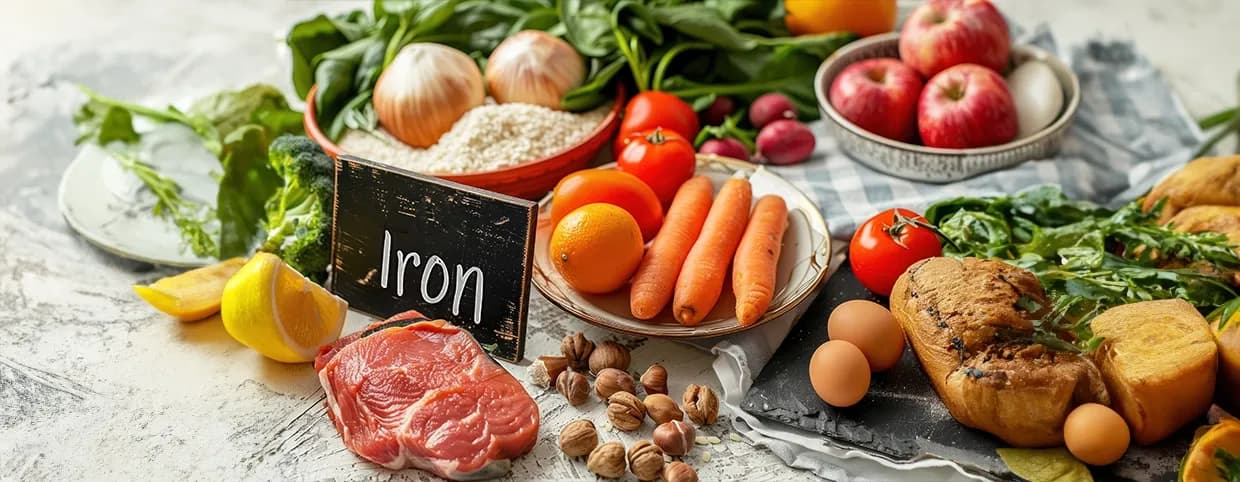
- Eat Iron-rich foods – it is a crucial mineral that helps in the production of hemoglobin. Eating iron-rich foods can thus definitely improve your hemoglobin levels. Some of the great sources of iron are as follows:
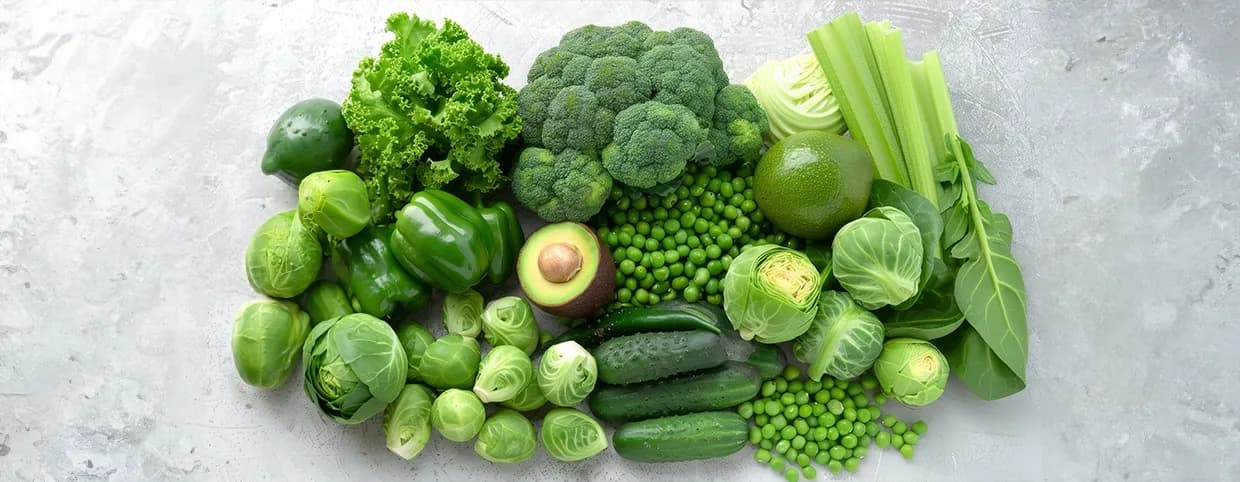
- Leafy green vegetables: Spinach, kale, and Swiss chard which in addition to iron also provide other necessary nutrients.
- Legumes: Iron is provided even from plant-based foods such as lentils, chickpeas, and kidney beans.
- Increase Vitamin B12 Intake – The intake of Vitamin B12 is another crucial nutrient in the production of red blood cells. It aids in the development of red blood cells and eliminates pernicious anemia.
Foods high in vitamin B12 include animal products such as meat, poultry, fish, eggs, and dairy products are excellent sources of vitamin B12.
- Incorporate Folate-Rich Foods – Folate, a B vitamin, is integral for the creation of red blood cells. This substance not only aids the production of blood cells but also helps in the prevention of anemia caused by megaloblastic anemia.
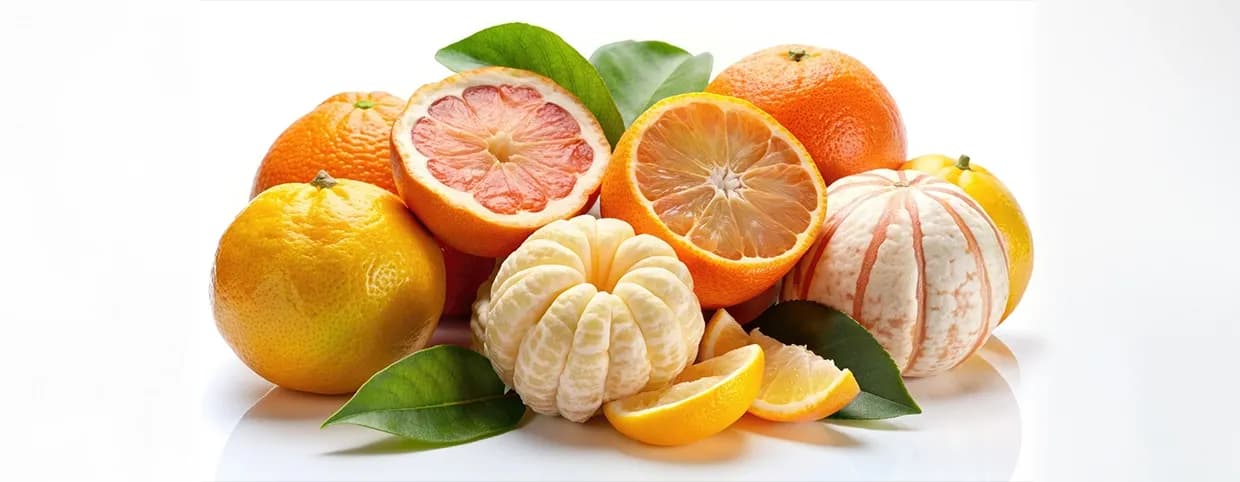
Citrus fruits: Oranges, grapefruits, and lemons are high in folate, making them highly nutritious.
- Stay Hydrated – It is very important to drink plenty of water because it is the key to maintaining proper blood circulation. Dehydration can decrease blood volume and this in turn causes an inadequate number of red blood cells.
Incorporating the natural methods mentioned above to boost hemoglobin levels into your daily routine can greatly contribute to maintaining your overall health and well-being. Should you desire professional guidance, our experienced doctors at First Response Healthcare are here to assist you.
Working too much leads to burnout which affects both mental and physical health. Keeping a work-personal life balance is imperative to avoid stress-related heart problems in men. Having some time for hobbies, exercise, and meeting friends can take a bigger role in one’s overall wellness and health while safeguarding the heart from stress. A healthy life can be built by keeping this balance and healthy stress management.For personalized advice, feel free to reach out via our Doctor on Call service at [+971 5050 387], or visit our website for more information.
We’re always here to support you on your health journey.