Can’t find what you’re looking for?Reach out to us

    Health and Wellness

    How Extreme Heat in Dubai Increases the Risk of Food Poisoning

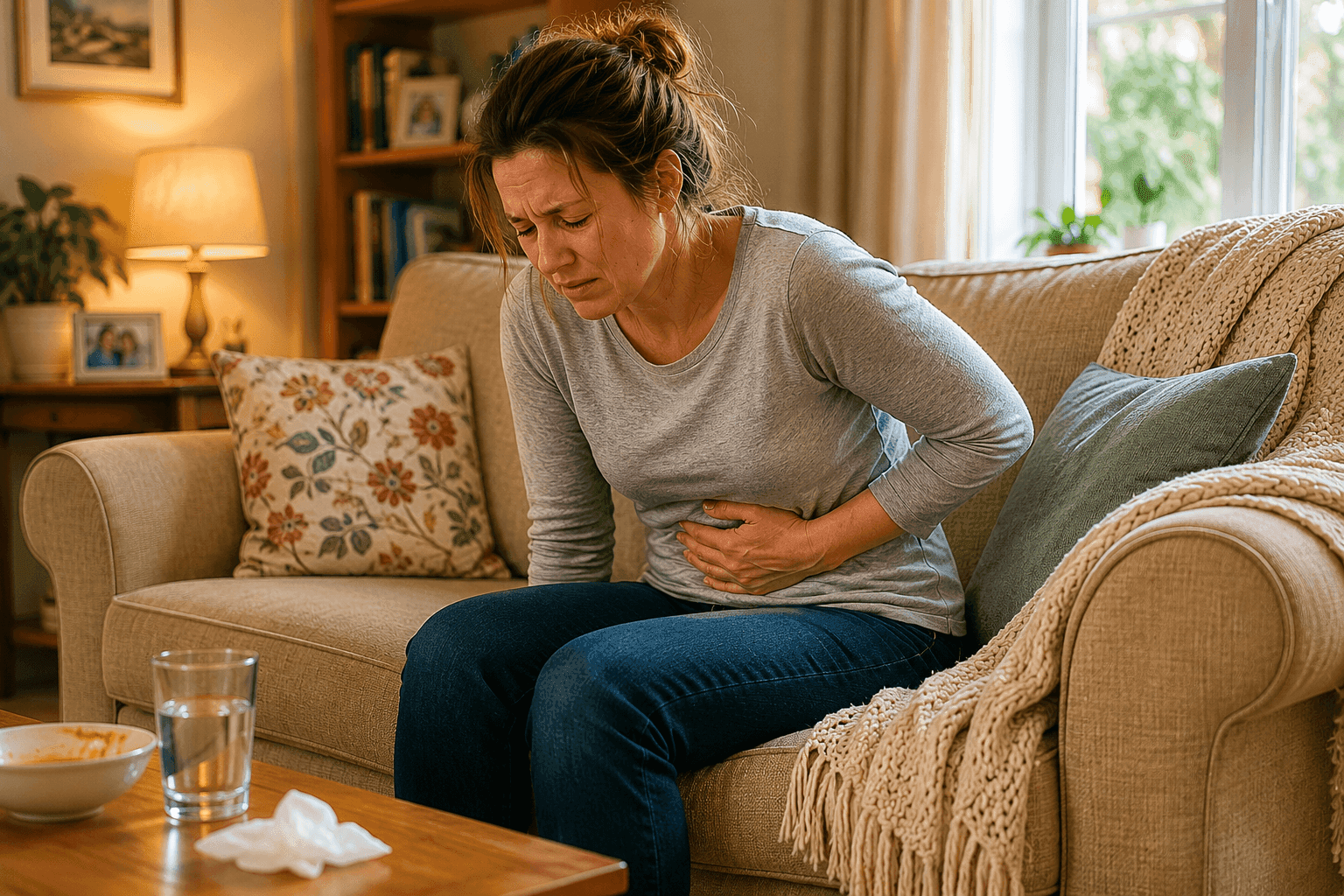
    Woman experiencing stomach pain and food poisoning symptoms caused by extreme heat in Dubai

    Dr Selna

    June 11, 2026

    How Extreme Heat in Dubai Increases the Risk of Food Poisoning

    You ordered food, it arrived late, and you ate it anyway. In Dubai's summer heat, that small decision can cost you two days in bed. Every summer, as temperatures climb across the UAE, food poisoning and diarrhoea cases go up. Heat makes it easier for bacteria to grow on food, especially when it is not stored or handled properly.

    Food poisoning in summer is not always caused by obviously spoiled food. Often, it comes from meals that looked, smelled, and tasted completely normal but were left in unsafe temperatures for too long. In a city where extreme heat is part of daily life, even routine habits can quietly increase the risk. 

    Understanding food poisoning symptoms, why they happen, and what to do about them is genuinely useful if you live in Dubai. 

    Why Heat Makes Food Unsafe Faster

    Bacteria grow fastest between 5°C and 60°C. Experts call this the "danger zone." In Dubai's summer, outdoor temperatures already sit well within this range. So when food is left out, even for a short time, bacteria can multiply quickly. This speeds up spoilage and raises the risk of food poisoning. The heat also breaks down the natural preservatives in food, which makes it go bad faster in terms of taste, smell, and safety.

    The main bacteria behind summer food poisoning cases in the UAE include Salmonella, E. coli, Listeria, and Campylobacter. In some cases, viruses like Norovirus and Rotavirus are also responsible. Unrefrigerated dairy, improperly cooked or stored meat, seafood, and food left out at picnics or buffets are the most common problem foods.

    High-Risk Groups for Food Poisoning

    Anyone can get food poisoning, but some groups are more vulnerable than others. Young children under five, elderly people over 65, and those with weak immune systems face the highest risk. This includes pregnant women, cancer patients, people with diabetes, those with HIV, and anyone on immunosuppressive medication. For young children in particular, dehydration from diarrhoea can become dangerous very quickly. Food poisoning and diarrhoea can cause dangerous dehydration in young children very quickly. 

    Everyday Situations Where Food Safety Goes Wrong

    Most summer-related food poisoning does not happen in restaurant kitchens. It happens in the small moments in between. Groceries left in a hot car. A packed lunch sitting at room temperature for hours. Food at an outdoor party left uncovered in the sun. None of these feels like an obvious mistake, but in Dubai's heat, they are enough to make you sick.

    Takeaway and delivery food carry the same risk. Even if the food was cooked safely, it can become unsafe by the time it reaches you if it sits in a hot bag too long. Food poisoning and diarrhoea cases in Dubai are often linked to food eaten outside the home, where temperature control is harder to manage.

    What Are the Symptoms of Food Poisoning?

    The most common food poisoning symptoms are nausea, vomiting, diarrhoea, and stomach cramps. These usually appear within a few hours of eating contaminated food. Food poisoning and diarrhoea together cause your body to lose fluids fast, which can lead to dehydration. In Dubai's summer heat, dehydration can get worse quickly because you are already losing fluids through sweat.


    Some food poisoning symptoms require immediate medical attention. These include bloody or mucus-filled diarrhoea, a high fever above 38.9°C, persistent vomiting that stops you from keeping fluids down, and signs of dehydration like dizziness and reduced urination. If you or someone in your family has any of these, do not wait and contact your doctor immediately.

    How to Keep Food Safe During Dubai Summers

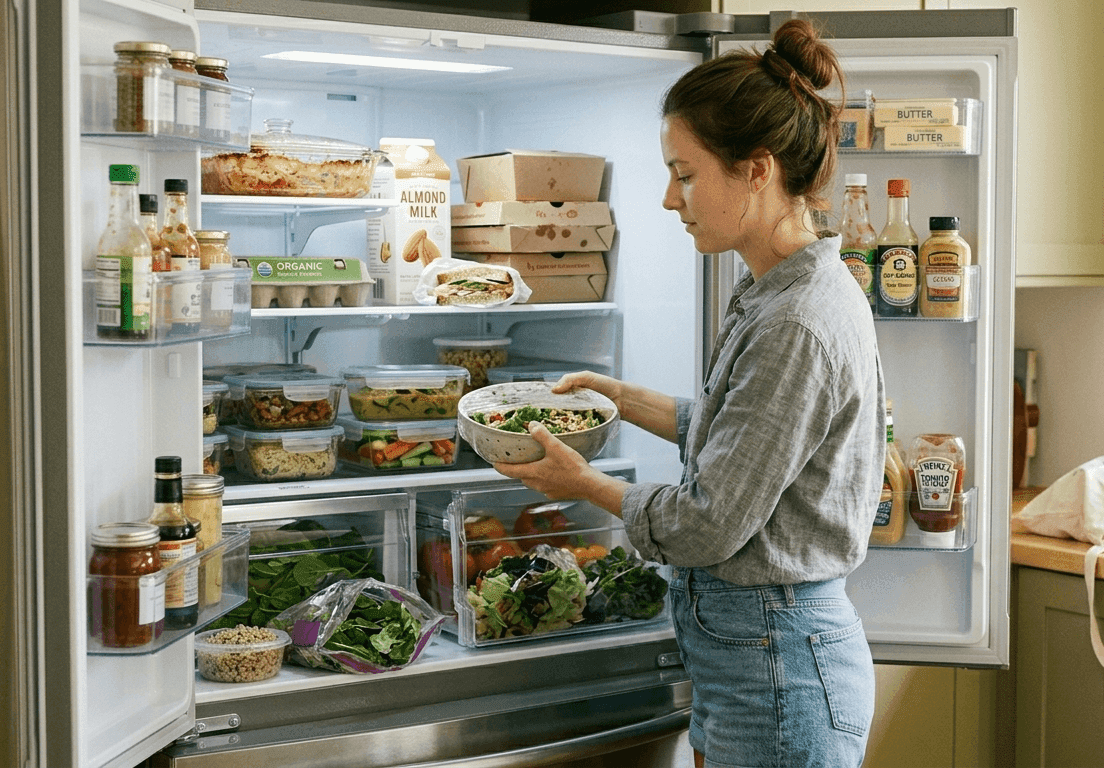
    The good news is that a few simple food safety practices can make a real difference. Wash your hands and kitchen surfaces regularly. Keep raw meat and cooked food separate to avoid cross-contamination. Cook food all the way through, and put leftovers in the fridge straight away. Do not leave food sitting at room temperature for more than two hours, and in Dubai's summer, try to cut that down to one hour.

    When you shop, pick up perishables like meat, dairy, and salads so they spend less time out of the fridge. Once you are home, refrigerate or freeze them right away. If you are taking food to work or packing a lunch, use an insulated bag or ice pack to keep it cold. Be careful not to overfill your fridge either, as this stops cold air from circulating properly and means food takes longer to cool down when you first put it in.

    With takeaway or delivery, eat it straight away. If you are at an outdoor event and food has been sitting in the sun, it is safer to skip it. And if you are ever unsure whether food is still good, throw it out. A wasted meal is far better than a serious illness. Most food poisoning cases are entirely preventable with these small but consistent habits.

    These precautions are worth following all year in the UAE, but they matter most during the extreme heat of summer.

    These precautions are worth following all year in the UAE, but they matter most when it comes to preventing summer-related food poisoning in the extreme heat. 

    Woman storing food properly in a refrigerator to prevent food poisoning during Dubai summers

    Get Care at Home with First Response Healthcare


    If someone in your home has food poisoning symptoms that are not improving with rest and simple home care, is losing a lot of fluids through vomiting or diarrhoea, or seems unusually weak, do not wait for things to get worse. Getting medical help early makes a real difference, especially in the summer heat. First Response Healthcare (FRH) offers a doctor on call service in Dubai who comes to your home, checks on you, and can provide IV fluids at home in Dubai if needed. No waiting rooms, no travelling while you feel terrible. If symptoms are getting worse after 24 hours, reaching out to FRH early is the smartest step you can take.