
Can’t find what you’re looking for?Reach out to us

    Health and Wellness

    Fit Enough for Hajj? What a Full Body Checkup Reveals

    Full Body Checkup before Hajj

    July 21, 2026

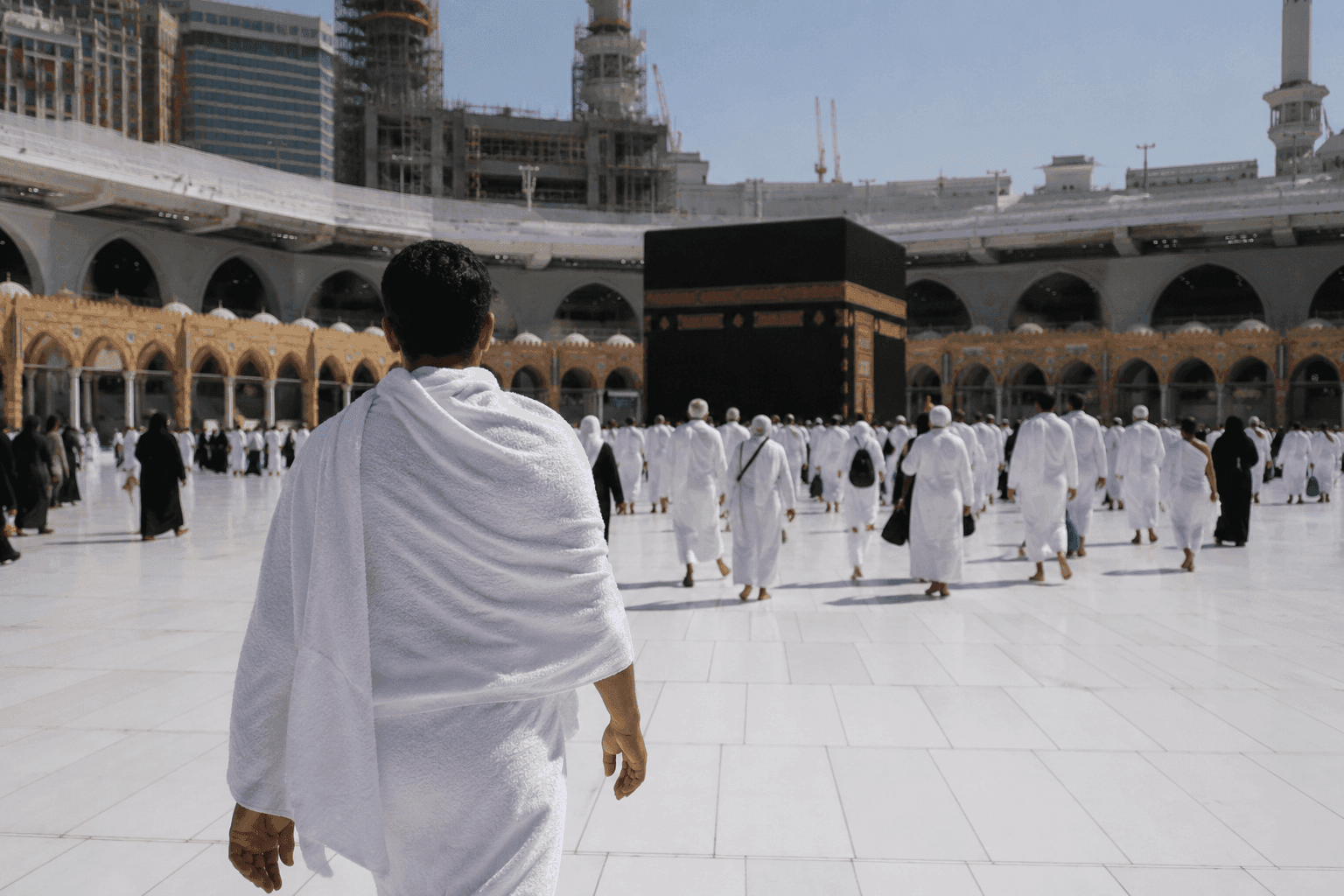
    Hajj is one of the most physically demanding acts of worship in Islam. Millions of people walk the same roads, stand in the same heat, and push through the same crowds. The body takes on a lot. That is why a full body checkup before Hajj is not just a formality. It gives you a clear picture of where your health stands before you board the flight.

    Many pilgrims go on the journey managing a chronic condition quietly. Diabetes, high blood pressure, heart issues. These conditions do not automatically stop you from going. But they do need to be stable. A pre-Hajj medical checkup is the step that confirms whether your body is ready for what lies ahead.


    What Does a Full Body Checkup Actually Look At?

    The checkup is more thorough than a quick consultation. A doctor will look at your medical history, any ongoing conditions, and your current medications. They will check your blood pressure, assess your heart and lungs, and decide whether simple lab tests are needed. The aim is to get a complete picture, not just a snapshot. A full body health checkup is designed to catch issues early, before they turn into problems once you are on the road.

    Conditions that can disqualify a pilgrim from performing Hajj include major organ failure such as renal failure requiring dialysis, severe neurological or psychiatric conditions that affect cognition, significant motor disabilities, high-risk pregnancy, and active infectious diseases that pose a public health risk such as active pulmonary tuberculosis. These are the harder stops. Most other conditions, when well-managed, do not prevent travel.

    Well-controlled diabetes or hypertension are not automatically disqualifying. If your numbers are stable and your medication is reviewed before you go, there is a good chance you will be cleared during the health checkup.

    Pre-Hajj Medical Checkup: The Full Body Health Checklist

    Here you can find what a thorough pre-Hajj medical checkup should cover. This full body health checkup checklist is meant to be used as a guide when speaking with your doctor.

    Medical History and Chronic Conditions

    • Disclose all existing conditions, including diabetes, hypertension, heart disease, kidney disease, and respiratory conditions
    • Review all current medications and dosages
    • Discuss how to manage medication timing if there are time zone changes
    • Confirm whether any condition is stable and well-controlled
    • Obtain a written medical summary listing your conditions, medications, and allergies

    Heart and Blood Pressure

    • Blood pressure reading
    • Assessment of heart function, especially if you have a known cardiac history
    • Discuss activity limits and warning signs to watch for during the pilgrimage

    Lungs and Respiratory Health

    • Lung assessment, particularly for those with asthma, COPD, or any breathing condition
    • Review of inhalers or respiratory medication to ensure adequate supply

    Blood Tests (if recommended)

    • Blood glucose for diabetes screening or monitoring
    • Blood pressure and cholesterol, where applicable
    • Kidney and liver function if you are on long-term medication
    • Any tests your doctor considers necessary based on your history

    Vaccination Status

    • The meningococcal ACWY vaccine is mandatory and must be completed at least 10 days before travel. It is valid for 5 years if you receive the quadrivalent conjugate vaccine.
    • The influenza vaccine should be received within 12 months before your travel date.
    • The pneumococcal vaccine is recommended for adults aged 65 and above and individuals between the ages of 5 and 64 with certain medical conditions.
    • Confirm your COVID-19 vaccination status meets current requirements
    • Check whether routine vaccinations such as hepatitis B, MMR, and varicella are up to date

    Mobility and Physical Fitness

    • Discuss whether your current fitness level is sufficient for extended walking across multiple days
    • The Saudi Public Health Authority recommends at least 150 minutes per week of moderate-intensity physical activity in the weeks before Hajj, such as swimming or cycling. If you are not used to exercise, start with 30 minutes of brisk walking daily and build from there
    • Use the same footwear during practice walks that you plan to wear during Hajj, to identify any fit or comfort issues before you travel
    • Pilgrims who are fully dependent on a wheelchair or require constant physical assistance may not meet fitness criteria. Those who use a mobility aid occasionally but can perform core rituals independently may still qualify. Confirm this with your doctor

    Feet and Skin

    • Examine feet for any existing wounds, cracked skin, or nail problems, especially if you have diabetes
    • Check daily for cuts or blisters during the pilgrimage, especially if you have diabetes.
    • The Saudi Public Health Authority advises diabetic pilgrims to wear comfortable socks and avoid walking barefoot at all times during the pilgrimage
    • Confirm you have suitable, well-fitting footwear

    Heat and Hydration

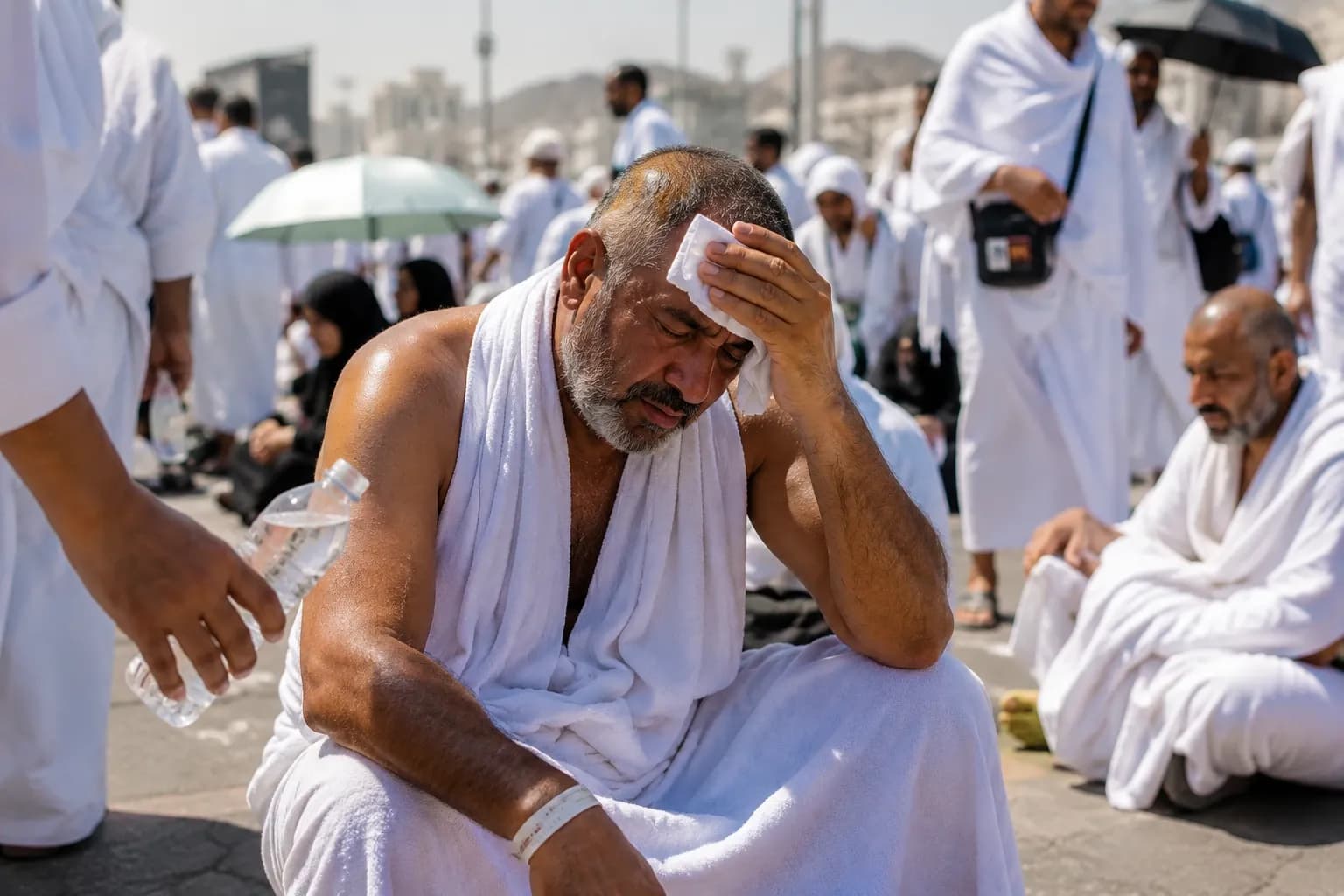
    • Discuss with your doctor whether your current health means you are at higher risk from heat exposure
    • Plan to limit sun exposure and bring a light-coloured umbrella, a wide-brimmed hat, sunscreen (SPF 30+), and an adequate supply of fluids to maintain hydration

    Travel Medical Kit

    Your medical kit is as important as your luggage. Bring hand sanitisers, wound disinfectants, pain and fever relievers, allergy creams, face masks, tissues, and a refillable water bottle. Add oral rehydration salts, antacids, antiseptic cream, plasters, and mosquito repellent to that list. Bring enough of your regular medication to cover the full trip, with a few extra days' worth in case of delays. Keep everything in the original packaging with your prescriptions. It is also worth knowing the generic names of your medications. Brand names vary by country, and if you need a refill while abroad, a pharmacist is far more likely to recognise the generic name. Keep your written medical summary in your bag at all times.

    Post-Hajj Full Body Checkups

    The journey does not end when you land. If you feel unwell within 14 days of returning, especially with fever, cough, or persistent fatigue, see a doctor promptly. Make sure to tell the doctor about your recent travel, because some infections picked up during Hajj do not show symptoms straight away. A few days can pass before you feel anything. A post-travel review can help detect and treat any possible infections early, before they become harder to manage. After a pilgrimage of this scale, your body has been through a lot, and getting checked is the responsible last step.

    How Far in Advance Should You Get Checked?

    Book your appointment early, as clinics are likely to get busy closer to the deadline. Four to six weeks before your expected departure is a reasonable target. Scheduling your full body checkup before Hajj this early gives you enough buffer time to address anything the checkup finds, adjust medications, or get vaccinations that need time to take effect before they are valid.

    If you have a chronic condition, do not wait until the last minute. Use the weeks before Hajj to get your numbers stable, review your supplies, and make sure your doctor has signed off on everything. It also forms the foundation of the most effective ways to stay healthy during Hajj by helping identify and manage health risks before you travel.

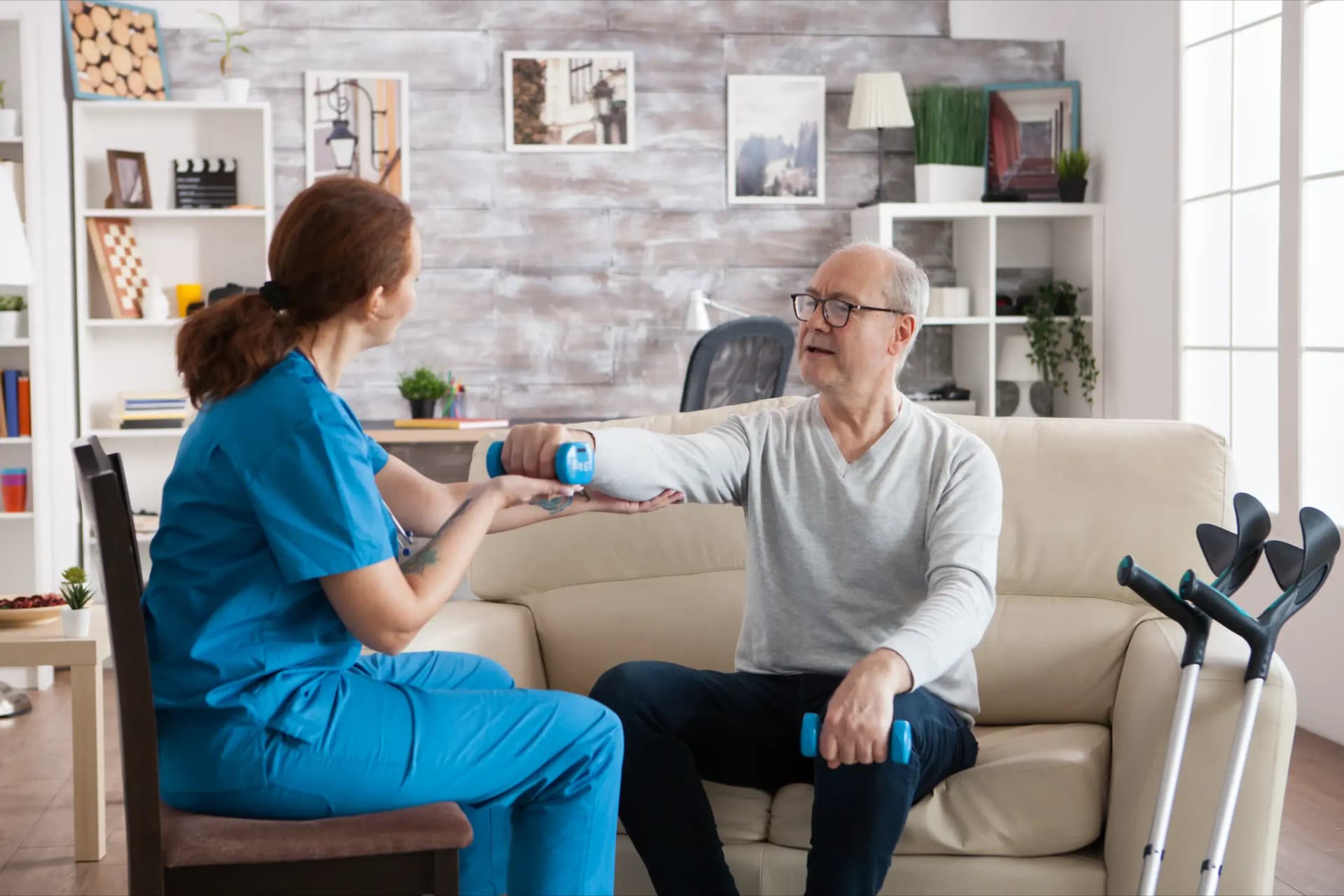
    Complete Pre-Hajj Health Check at Home with FRH

    Getting a full body health checkup does not have to mean sitting in a waiting room. First Response Healthcare (FRH) brings medical care to your home in Riyadh, including comprehensive pre-Hajj checkups. A qualified medical professional comes to you, carries out the full assessment, reviews your medications, and advises on what you need before departure. No travel, no queues, no disruption to your day. FRH also offers vaccination services and can help you get everything in order well ahead of your trip. A full body checkup before Hajj is one of the simplest ways to travel with peace of mind. Book a home visit with FRH before your Hajj journey.