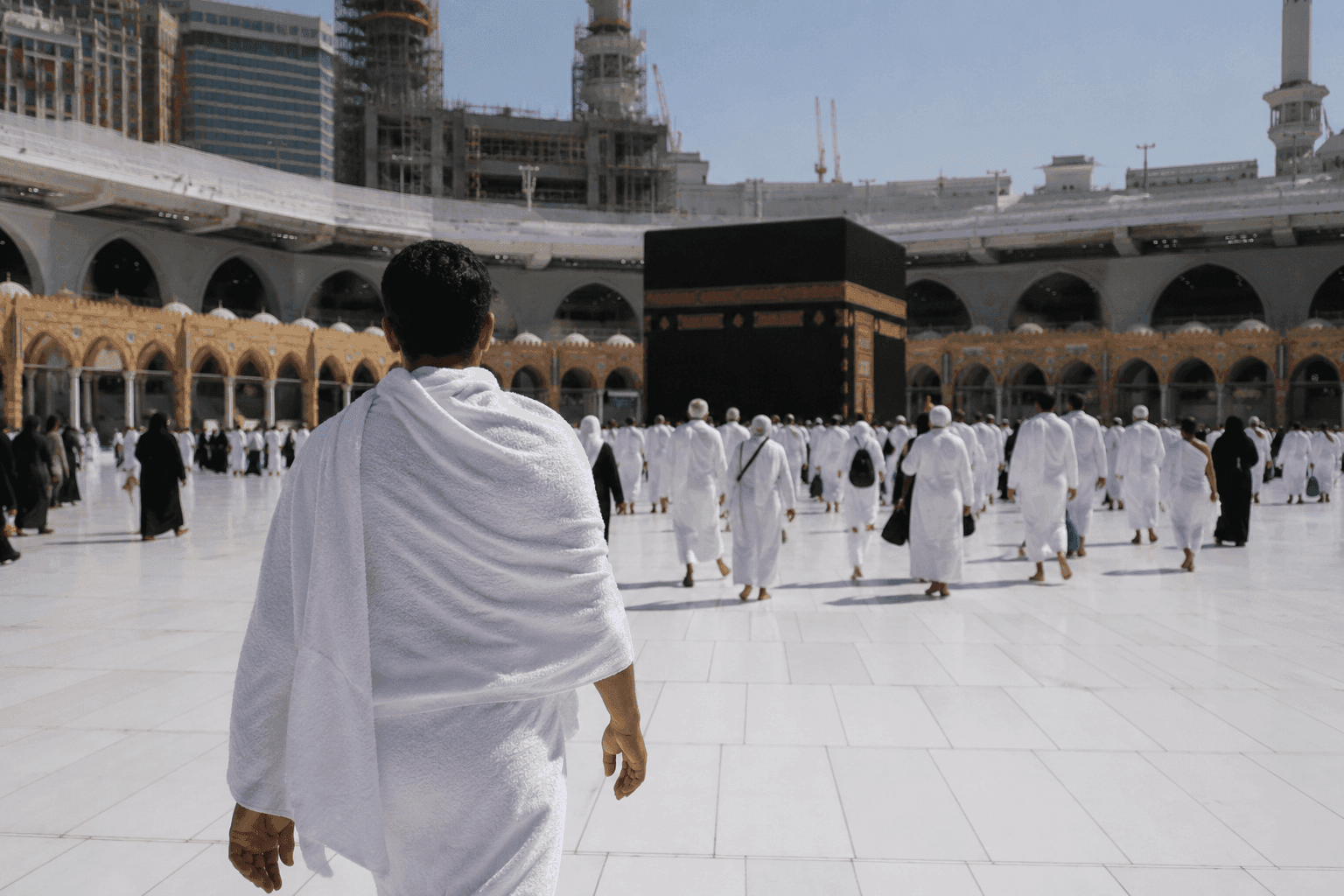

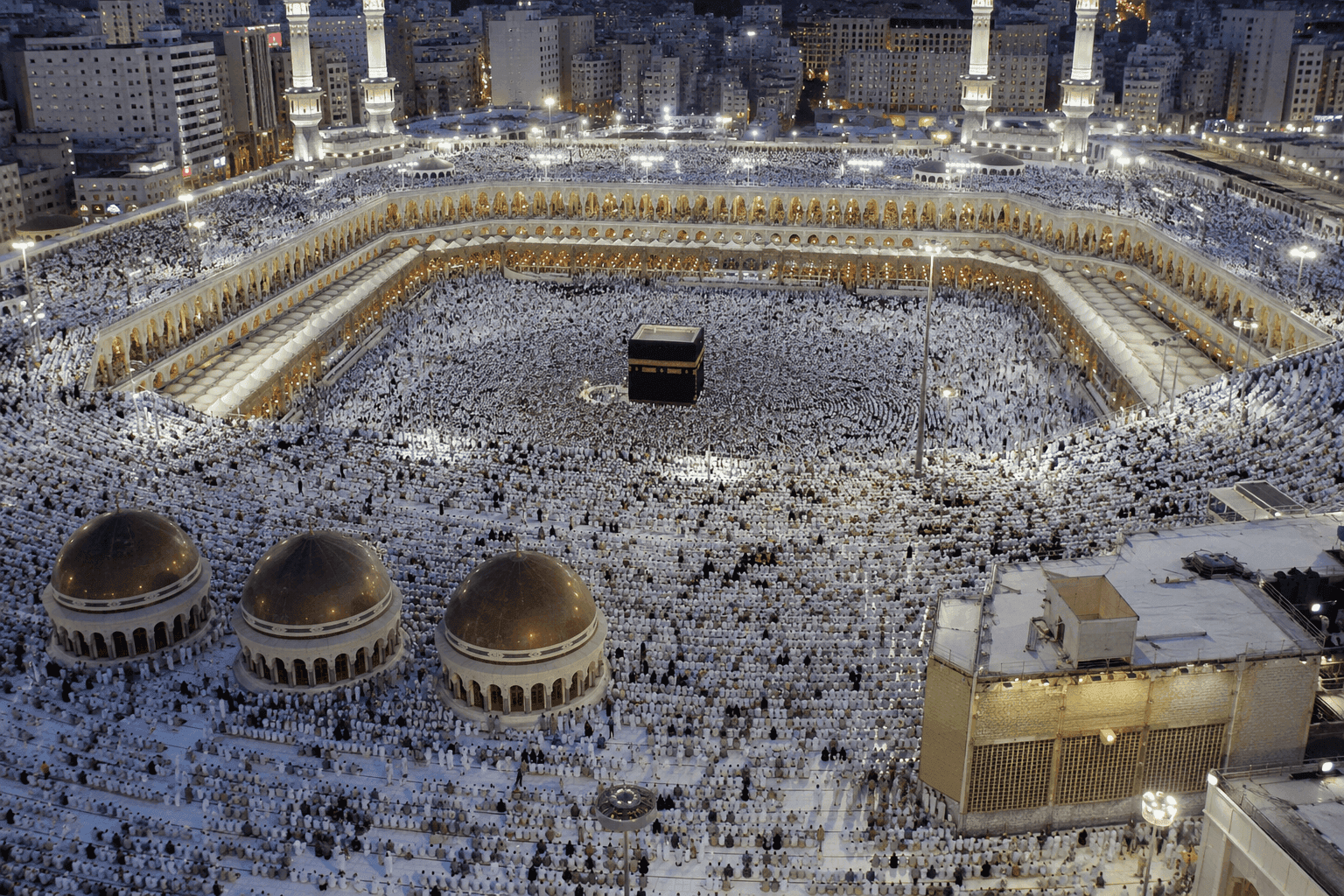
Hajj is one of the most physically demanding journeys a person can undertake. Millions of pilgrims gather in Mecca each year during Dhu al-Hijja, walking between Mina, Arafat, and Muzdalifah over five to six days of continuous rituals. Desert heat, dense crowds, and sustained physical effort place real stress on the body. Pilgrims face dehydration, heat illness, fatigue, muscle injuries, and flare-ups of conditions they already manage at home. Most of these problems are preventable. These Hajj health tips for pilgrims given below can actually make a difference.
Search
Can’t find what you’re looking for?Reach out to us
June 27, 2026
Quick Threads
- 1. See A Doctor Well Before Departure
- 2. Get Vaccinated on Time
- 3. Build Up Your Fitness Beforehand
- 4. Drink Water on A Fixed Schedule, Not By Thirst
- 5. Take Hajj Heat Prevention Seriously
- 6. Eat Carefully And Watch Food Sources
- 7. Wash Hands Often
- 8. Pace Yourself And Rest
- Get Ready for Hajj with First Response Healthcare
- Frequently Asked Questions (FAQs)
1. See A Doctor Well Before Departure
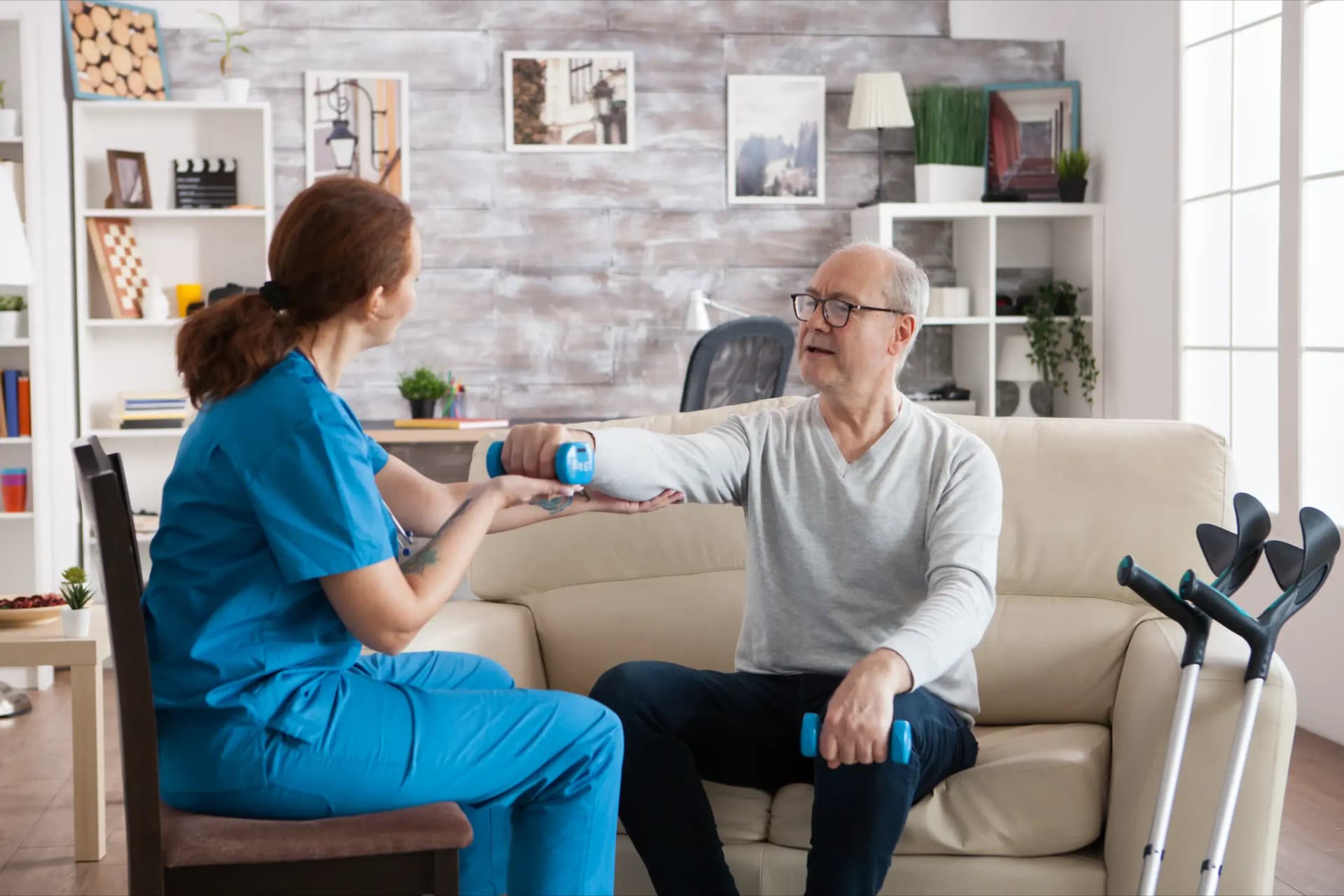
A pre-travel medical check is not optional, especially for older pilgrims or anyone managing a long-term condition. Following the right Hajj health tips for pilgrims starts before you even board the flight. Diabetes, heart disease, asthma, and similar conditions need to be stable and well-managed before a trip this demanding.
Book the appointment at least six to eight weeks in advance. Medical facilities at Hajj can become overwhelmed quickly given the scale of the gathering, so avoiding preventable health issues is better than needing medical attention during the pilgrimage.
Pack a small health kit with basics: painkillers, anti-diarrhoeal tablets, wound care items, sanitiser, and masks. Anyone on regular medication should carry more than enough for the entire trip.

Are you looking for a service?
Enquire Now
2. Get Vaccinated on Time
You will not be allowed in Saudi Arabia without the meningococcal ACWY vaccine, and it must be administered no fewer than 10 days before you arrive. Travellers from regions where polio or yellow fever remain active also need documentation of those vaccines.
On top of the mandatory ones, COVID-19 and flu vaccines are worth getting. Tetanus, diphtheria, and measles coverage should be reviewed too. Since two million people gather during the Hajj pilgrimage from all over the world, it makes it easier to contract respiratory diseases. The Saudi Ministry of Health updates health guidelines for pilgrims every season, so it is always worth checking the latest requirements before you travel.
3. Build Up Your Fitness Beforehand
Walking during Hajj is physically demanding, especially when combined with extreme temperatures. Pilgrims typically walk 5 to 13 km each day, often in intense heat and on hard surfaces. For those with largely sedentary or desk-based jobs, suddenly covering such long distances can be particularly challenging without the chance to adapt.
To help your body adapt, start a walking habit at least three weeks before departure. Keep it gradual. The goal is to build stamina and endurance, not to end up injured before the journey even begins. Footwear matters just as much. Shoes should be broken in, breathable, and supportive. Wearing brand-new ones on the first day of Hajj can cause blisters, pain, and discomfort that can affect the rest of the trip.
4. Drink Water on A Fixed Schedule, Not By Thirst
Set a schedule instead. About 250 ml every 20 to 30 minutes during outdoor activity is a workable target. Insulated or copper bottles help keep water cool in the heat, which makes it easier to drink enough throughout the day. Water alone does not replace all the fluids and electrolytes lost through sweat. Consider carrying electrolyte solutions or oral rehydration salts (ORS), which are readily available at most pharmacies and can help maintain proper hydration.
Urine colour is the simplest hydration check. Pale or clear means adequate hydration. Dark yellow or amber can indicate dehydration. Cut back on tea, coffee, and sweet drinks during peak hours, as they can contribute to dehydration. By following these Hajj hydration tips, you can prevent dehydration.
5. Take Hajj Heat Prevention Seriously
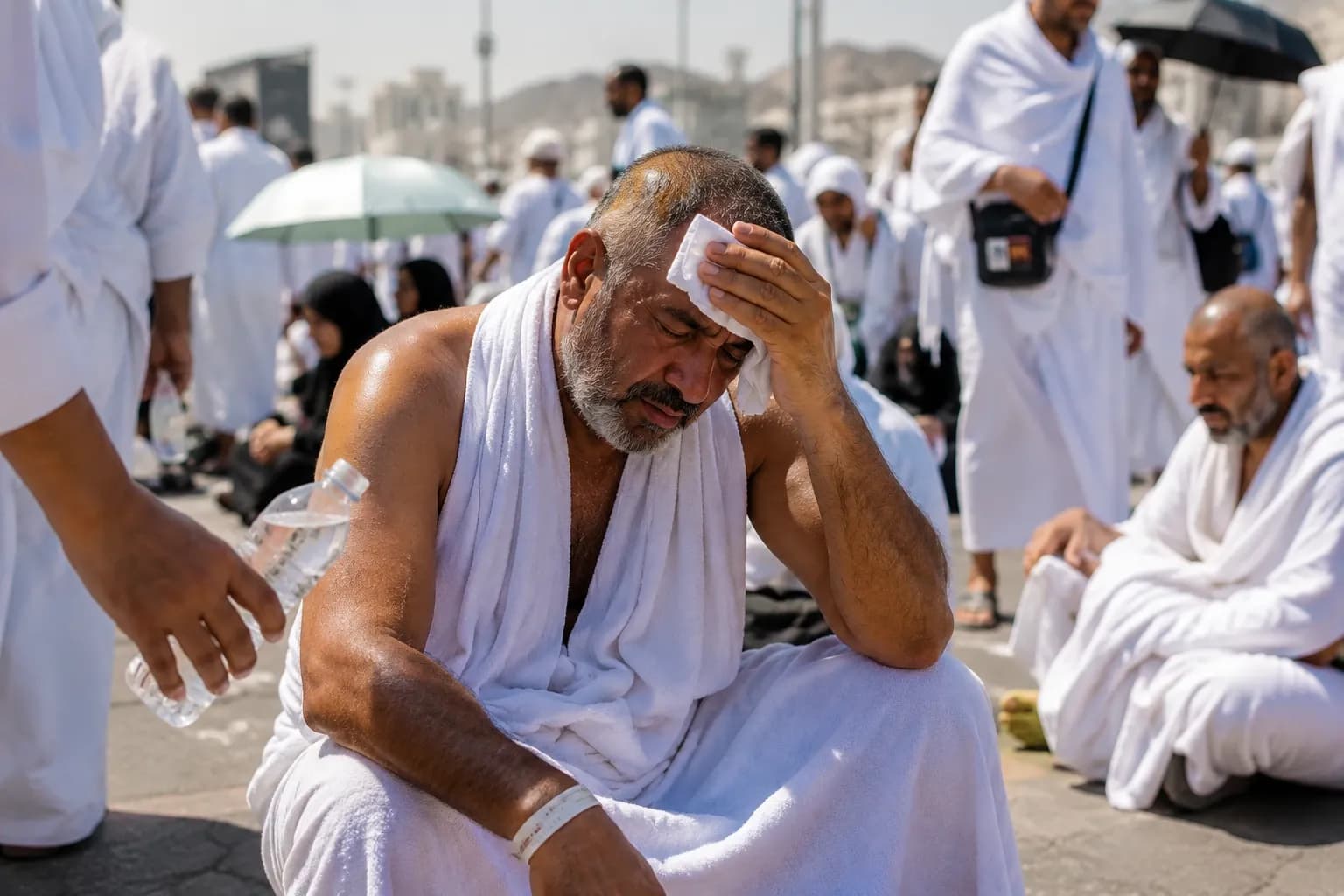
Saudi Arabia temperatures can climb past 51°C. At that point, the body's ability to regulate its own temperature begins to fail, increasing the risk of heat-related illnesses, namely heat cramps, heat exhaustion, and heat stroke. Serious Hajj heat prevention measures are essential, not optional. The Saudi Ministry of Health issues annual warnings about heat exposure, yet many pilgrims continue to be affected by the extreme temperatures.
Stay out of direct sunlight between 11:00 and 15:00. Wear light-coloured clothing. Use an umbrella. Apply SPF 30 or higher sunscreen before going out and reapply every two hours.
Fatigue, dizziness, and nausea are warning signs. Do not push through them, hoping they pass. Heat exhaustion can quickly turn into heat stroke. If someone collapses or stops sweating in the heat, move them to shade, cool them down with water or a wet cloth, and get medical help immediately.
6. Eat Carefully And Watch Food Sources
Stomach illness is among the top reasons pilgrims seek medical help during Hajj. The risk goes up when food has been left out, poorly cooked, or sourced from unreliable spots. Stick to freshly prepared, thoroughly cooked meals. Skip raw vegetables, unpeeled fruit, and anything with ice made from unknown water. Bottled, sealed water should be the only source used for drinking and for brushing teeth.
7. Wash Hands Often
The crowd density at Hajj makes respiratory and contact infections hard to avoid entirely. Regular handwashing before eating, after using facilities, and after coughing or sneezing cuts down the risk significantly. When soap and water are not accessible, hand sanitiser also works. Avoid touching the face, especially the eyes, nose, and mouth.
A mask worn in the most congested areas adds another layer of protection.
8. Pace Yourself And Rest
Hajj is not a race. Take it at a pace that allows you to fully experience its spiritual significance while giving your body time to recover and adjust. Pilgrims who try to rush through every ritual without adequate rest tend to wear down by mid-journey.
Rest between rituals, get a good night's sleep, and give your body time to recover to face the next day. If you feel unwell, seek medical attention early.
Get Ready for Hajj with First Response Healthcare
Preparing well for Hajj often means sorting out your health before you even reach the airport. First Response Healthcare (FRH) makes that easier. FRH offers pre-travel consultations at home, so you can speak with a medical professional, review your medications, get relevant vaccinations, and address any existing conditions without having to sit in a waiting room. For pilgrims managing diabetes, heart conditions, respiratory illness, or any other chronic condition, getting a proper medical review before departure is not just useful; it is necessary. FRH also provides post-travel care for pilgrims who return home unwell or simply need a check-up after an exhausting few weeks.
To book a medical consultation or find out more about what FRH offers, visit our website.
Frequently Asked Questions (FAQs)
What are the most common health risks during Hajj?
Heat-related illness, dehydration, and respiratory infections account for most of the medical issues pilgrims face. Stomach illness from food or water is also common.
Which vaccines are mandatory for Hajj?
The meningococcal ACWY vaccine is required for every pilgrim and must be given at least 10 days before arrival in Saudi Arabia. Pilgrims travelling from countries where polio or yellow fever is active also need valid certificates for those vaccines.
When should I see a doctor before Hajj?
Book a full medical check-up four to six weeks before departure, especially if you are older or managing a condition like diabetes, asthma, or heart disease. This gives enough time to sort vaccinations and adjust medications if needed.
What medicines should I carry during Hajj?
Bring enough of your regular prescription medications for the entire trip, along with extras in case of delays. A basic health kit containing pain relief medication, oral rehydration salts, wound care supplies, and hand sanitiser can also be useful.
Should I wear a mask during Hajj?
Masks can help reduce exposure to respiratory infections, particularly in crowded indoor spaces and during peak gathering periods. They are especially useful for older adults and those with underlying medical conditions.