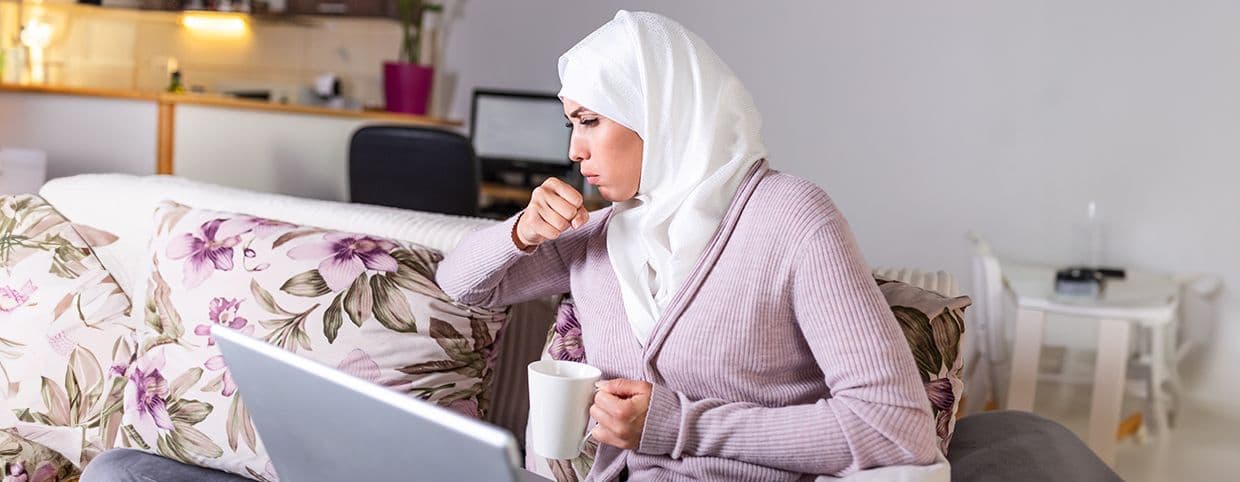
Dementia care at home for elderly can be hard. Symptoms of dementia develop gradually. Infact initially, symptoms of dementia are often confused with simple signs of aging. However, as dementia progresses, what initially appears to be mild forgetfulness can eventually transform into confusion, short-term memory loss, mood swings and more. Because of this, dementia care at home for elderly can be hard. However, there are several healthcare providers that offer dementia care at home and can make things easy and manageable for family members and caregivers of dementia patients at home.
Search
Can’t find what you’re looking for?Reach out to us
Health and Wellness
Challenges of Caring for the Elderly with Dementia at Home

June 15, 2023
1 min read
June 15, 2023
1 min read
Quick Threads
- What is the Extent of Care a Dementia Patient Needs?
- What Are the Challenges for Caregivers of Dementia Patients?
- When To Seek Professional Support For Elderly Patients With Dementia?
- Dementia Nursing Care at Home in Dubai | First Response Healthcare
- Why Should You Choose FRH For Nursing Needs?
- What Makes FRH’s Home Care Assistance Unique?
What is the Extent of Care a Dementia Patient Needs?
The extent of care required by a dementia patient depends on how advanced the condition is. As dementia progresses, caregivers often have to take responsibility for all aspects of a loved one’s life. From dressing and eating to entertainment, medication and financial management. Individual-centered care for people with dementia can be intensive and continue for a long duration of time.
What Are the Challenges for Caregivers of Dementia Patients?
Caregivers for dementia patients at home face several challenges. For better understanding, they can be divided into 3 categories of care:
1. Daily Life Challenges
The practical aspects of everyday life may not seem like a ‘challenge’ until you are faced with the task of regularly caring for someone who has difficulty caring for themselves. In dementia care at home for elderly, these challenges can mean:- Building Dementia-friendly Homes:
- Managing Finances:
- Social & Emotional Support
2. Ensuring Physical Wellbeing
When most people think of caring for someone with dementia at home, the first thing that comes to mind are the routine tasks that ensure physical wellbeing of the patient. It takes extra effort to take responsibility for someone’s well-being every day. Some of the challenges may include:- Hygiene Related Tasks
- Cooking and Feeding
- Physical Activity & Exercise
3. Emotional and Mental Wellbeing
One of the biggest challenges in dementia care is dealing with the unpredictability of a loved one’s mood. As memories fluctuate, they may experience attitude changes, eliciting more basic emotions that are difficult to understand and manage. The most common emotional challenges in home care for elderly with dementia include:- Feelings of Loneliness and Sadness:
- Aggressive Behavior:
- Feeling Paranoid and Confused
- Boredom and Lethargy:

Are you looking for a service?
Enquire Now
When To Seek Professional Support For Elderly Patients With Dementia?
Support and care for family members and caregivers of patients with dementia is just as important as support for the patient themselves. Caring for a patient with dementia can be exhausting, and without seeking the right kind of support, it can lead to caregiver burnout. As a family member or caregiver involved in home care for elderly with dementia, if caregiving duties are becoming burdensome or challenging, you should consider bringing in professional healthcare providers for help. Seeking dementia nursing care at home can be long term, short term, or it can be for extra help around the house. Either way, asking for help is always a sign of strength and shows how much you care for your loved ones and want the best care possible for them.
Dementia Nursing Care at Home in Dubai | First Response Healthcare
First Response Healthcare (FRH) is a leading home healthcare company that provides personalized, compassionate, high-quality medical services through a team of qualified doctor on call, nurses and physiotherapists. We can provide support for a variety of healthcare needs, including dementia nursing care at home in Dubai. You can avail FRH’s services 24 hours a day, all days of the week, including public holidays. The FRH nursing team consists of a team of highly trained, qualified and licensed nurses who provide professional services by following international best practices and tools. Over and above dementia home care services, our team of nurses can also help with, IV medication administration, monitoring and physical exams, postpartum care, geriatric care, pediatric care and more.
FRH Offer Home Care Nursing Services For:
- Post-Operative Care
- Palliative care
- Geriatric (Elderly) Care
- Maternity & New-born care
- Child Care & Babysitting.
Why Should You Choose FRH For Nursing Needs?
- Provide personalized emergency care to ventilated patients.
- Encourage independence and support in older patients.
- Assistance with activities of daily living, bathing, hygiene management, etc.
- Administration of oral, enteral, and intravenous drugs
- Help with post-operative rehabilitation and pain management.
- Feeding via peg tube or NG tube.
- Provide treatment for tracheostomy, ostomy, colostomy, urostomy, ileostomy.
- Provide wound care and management.
- Offer careful postnatal care for mother and child.
- Provide careful pediatric care and monitoring.
- Provide vital sign monitoring, oxygen therapy and monitoring.
- Provide blood sampling and PCR testing.
- Provide psychological and emotional support.
What Makes FRH’s Home Care Assistance Unique?
- Personalized Care Plan: After assessing the patient’s condition, our team will create a care plan specific to the patient’s needs and requirements.
- Dependable Post-discharge Care: Our nurses provide dedicated care 24/7, implement care plans, and continuously monitor clinical conditions to ensure a successful recovery.
- Medication Compliance: Our nursing staff are trained to administer all types of injections and to ensure complete compliance.
- Wound Care: Our nursing staff are qualified and well-trained to manage wound care using optimal infection control methods for complex and difficult-to-heal wounds.
- Elderly care: Our nursing professionals are trained to care for elderly patients who require special medical care and assistance with daily living.
- Patient education: Our nursing staff also provide continuing education to patients and families in their own home.
- Chronic disease: Our nursing staff provides care for all chronic conditions, including pain management.
- Diabetes management: First Response home nursing team offers home diabetes care programs for people with type 1, type 2 and prediabetes.
- Flexible Packages: We provide both long-term and short-term care to meet your needs.
- Only DHA Licensed Nurses: All of our nursing staff are qualified, trained and experienced to monitor and treat your condition. General and specialized home care.